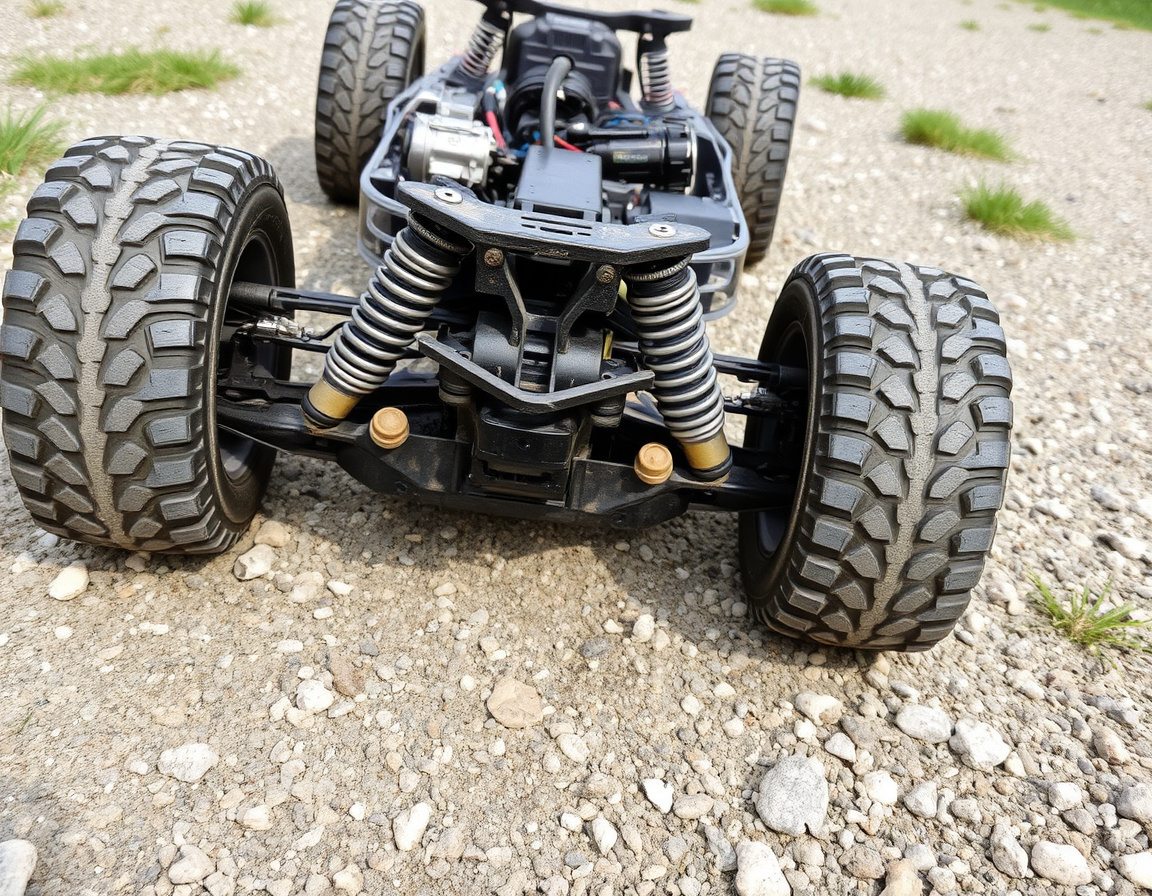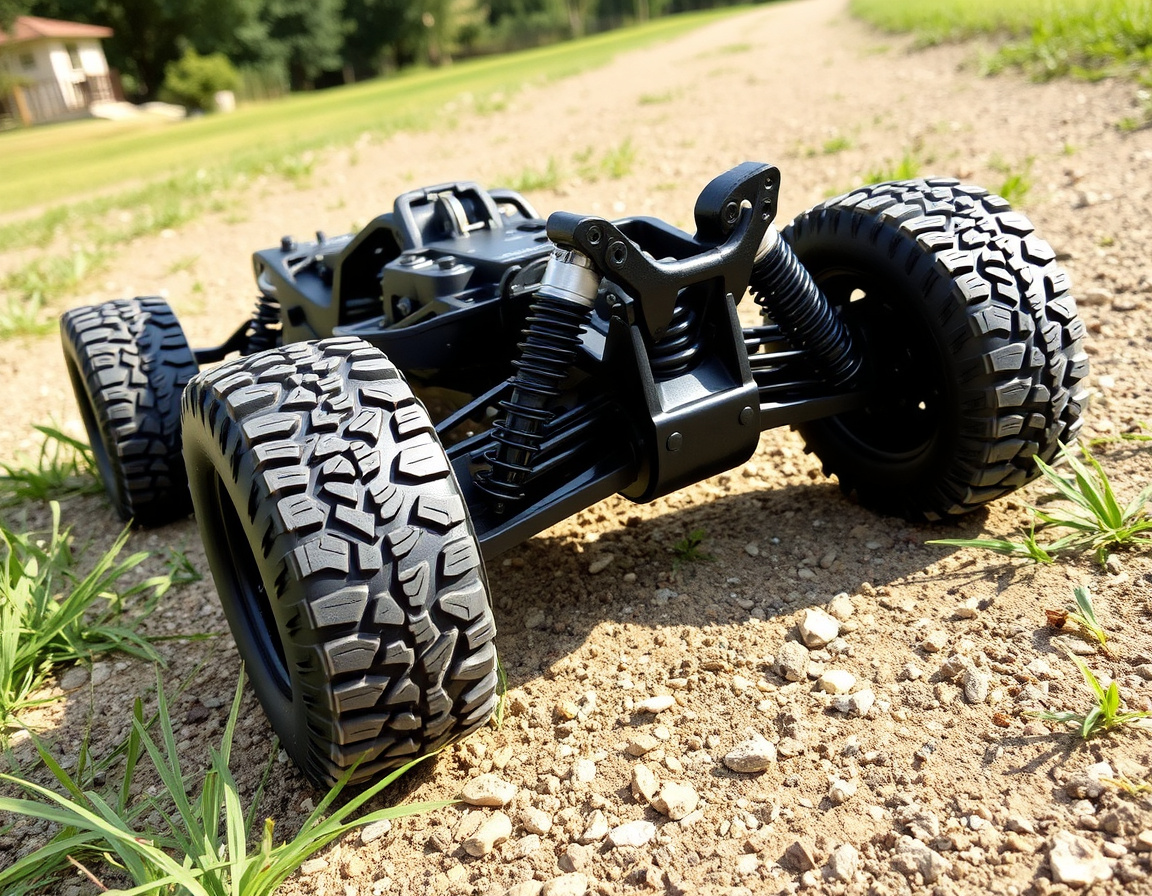
A WCM 1/4 scale refers to a large, 1/4th size reproduction of a real-world vehicle or aircraft in the radio-controlled hobby, often built with a focus on realistic detail and performance.
Key Points
- WCM 1/4 scale vehicles are prized for vintage RC engineering and quality.
- These large RC vehicles offer an unparalleled driving experience.
- Built with aircraft-grade aluminum, they are exceptionally durable.
- Their robust construction surpasses modern RC car capabilities.
- WCM vehicles are rare, collectible investments with limited parts.
Why WCM 1/4 Scale RC Vehicles Remain the Holy Grail for Serious Collectors
WCM 1/4 scale radio-controlled vehicles represent the pinnacle of vintage RC engineering, combining impressive size with exceptional build quality that has captivated enthusiasts for decades.
These substantial machines, measuring roughly 3-4 feet in length, deliver an unmatched driving experience that bridges the gap between hobby-grade RC cars and full-size vehicles.
The demand for WCM 1/4 scale models remains consistently high because they offer collectors and drivers a piece of RC history that simply cannot be replicated by modern manufacturers.
Their robust construction, realistic proportions, and commanding presence make them sought-after centerpieces for any serious RC collection.
The Engineering Secret That Made WCM 1/4 Scale Cars Nearly Indestructible
What many buyers don’t realize is that WCM utilized aircraft-grade aluminum and precision-machined steel components in their 1/4 scale chassis construction, giving these vehicles a durability that far exceeds most modern RC cars.
The company’s background in aerospace manufacturing influenced their approach to RC design, resulting in vehicles that could withstand impacts and stress loads that would destroy contemporary models.
This over-engineering approach means that well-maintained WCM 1/4 scale vehicles from the 1980s and 1990s often outperform brand-new RC cars in terms of structural integrity.
The precision tolerances and material quality used in these vintage machines explain why finding replacement parts can be challenging, as modern manufacturing hasn’t maintained these exacting standards for hobby-grade vehicles.
The Parts Availability Crisis That Haunts Every WCM 1/4 Scale Owner
Since WCM ceased production years ago, finding original components like shock absorbers, drive belts, or specialized hardware becomes a treasure hunt that can take months or even years to complete.
Many owners discover that a single broken part can sideline their prized vehicle indefinitely, as aftermarket alternatives rarely match the precise specifications required.
This parts shortage has created a secondary market where individual components can cost hundreds of dollars, sometimes approaching the value of incomplete running vehicles.
The frustration is compounded by the fact that these machines were built to last decades, but without proper maintenance parts, even the most well-preserved examples become static display pieces.
Investment Reality: Why WCM 1/4 Scale Prices Continue Climbing
Expect to invest anywhere from $500 for a project vehicle needing significant restoration work to over $2,500 for a pristine, complete example with original documentation and accessories.
The middle ground of $1,200-$1,800 typically represents solid running vehicles that may need minor repairs or cosmetic attention but retain their core functionality.
Premium pricing above $2,000 is reserved for museum-quality examples or rare variants that include original boxes, manuals, and all accessories.
The scarcity factor means these prices continue trending upward, making WCM 1/4 scale vehicles not just recreational purchases but legitimate collectible investments.
Models in exceptional condition have appreciated significantly over the past decade, with some rare variants commanding prices that would have seemed impossible just five years ago.
The Smart Buyer’s Secret to Securing a WCM 1/4 Scale Without Breaking the Bank
Focus your search on non-running or incomplete examples that still retain their core structural components, as these often sell for 40-60% less than turnkey vehicles while offering the same fundamental value.
Many sellers don’t fully understand what they have, particularly when listing projects that need engine work or missing minor components like body clips or radio gear.
A mechanically sound chassis with a rebuildable engine represents the best value proposition, since replacement parts for wear items like tires, fuel lines, and basic hardware remain available through generic suppliers.
Before committing to any purchase, verify that the aluminum chassis is crack-free and the suspension components move freely, as these structural elements are nearly impossible to replace and represent the true heart of the vehicle’s long-term value.