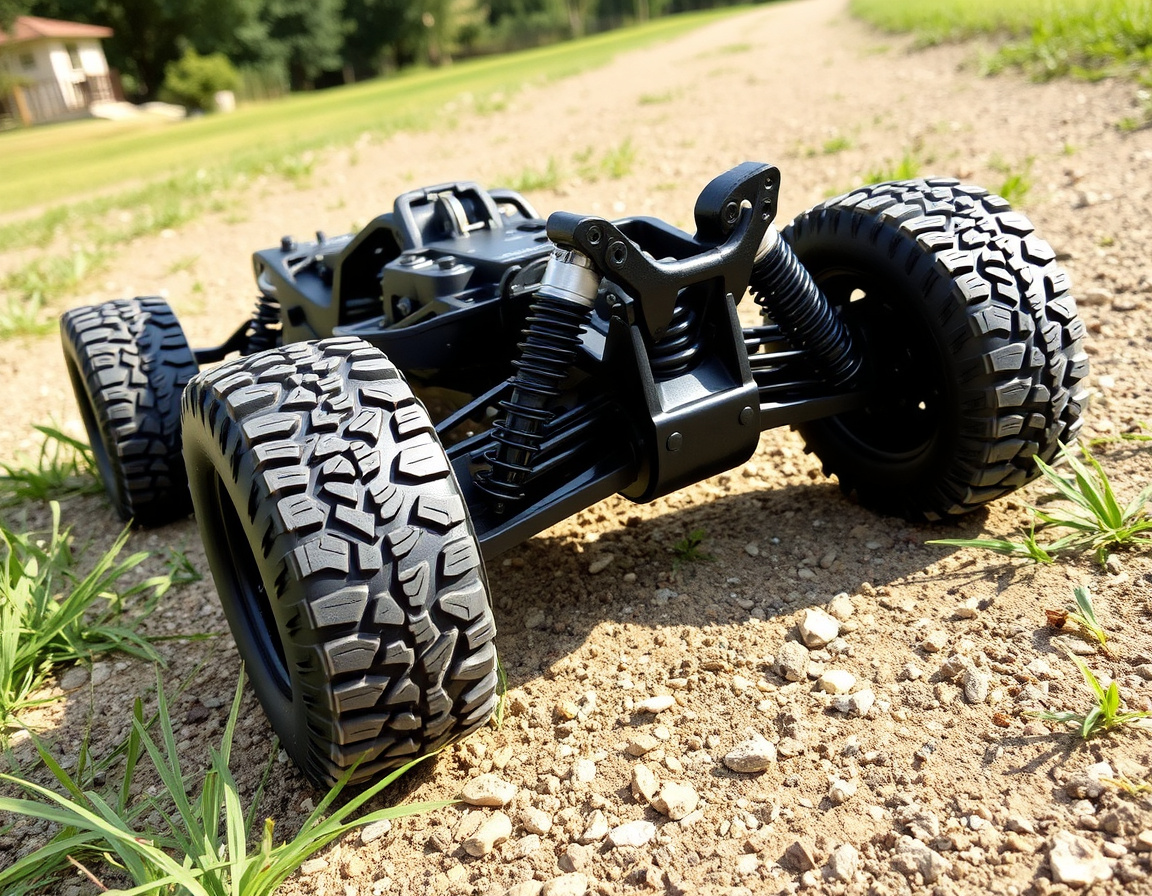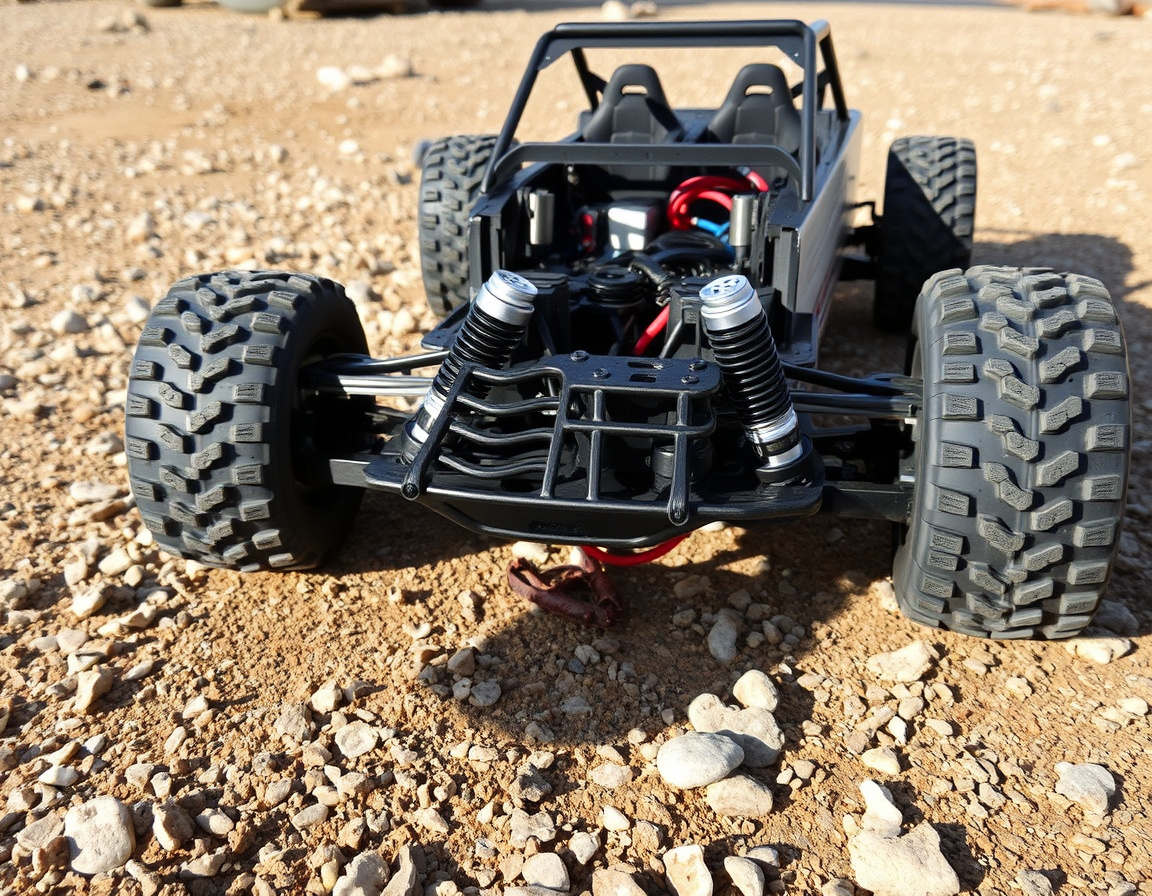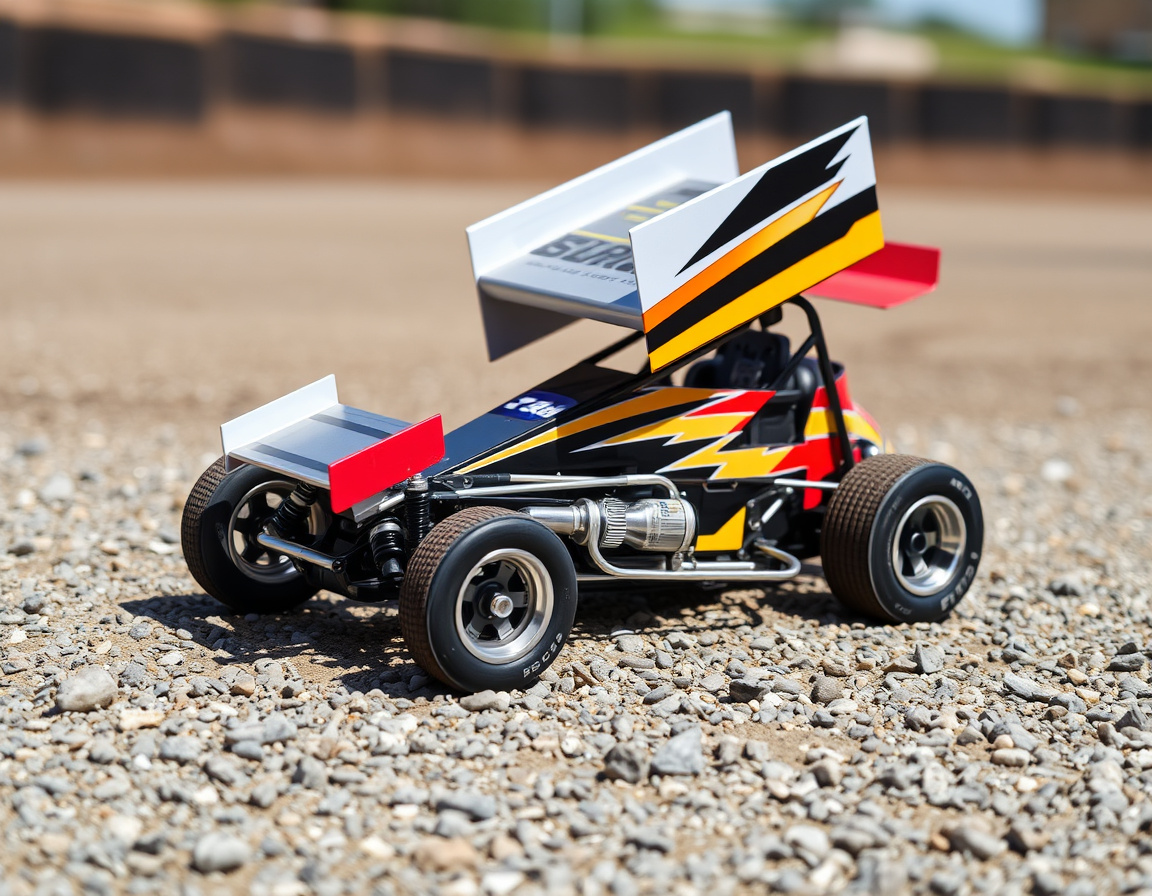
A 1/4 scale Sprint Car is a large, detailed radio-controlled replica of a full-size dirt track racing Sprint Car, designed to replicate the authentic racing experience with powerful engines and realistic handling.
Key Points
- 1/4 scale sprint cars replicate full-size racers, offering authentic driving.
- Their large size and mass enable physics mirroring real sprint cars.
- These models demand high, continuous maintenance for optimal performance.
- Expect an initial investment of $700-$2,500, plus ongoing costs.
- Buying used can save money and provide proven components.
Why 1/4 Scale Sprint Cars Are Dominating the RC Racing Scene
A 1/4 scale sprint car is a large radio-controlled vehicle that replicates the iconic dirt track racing machines at approximately 25% of full size, typically measuring around 40-48 inches in length.
These impressive RC models have surged in popularity among serious hobbyists who crave the authentic racing experience, realistic handling characteristics, and commanding presence that only comes with larger scale vehicles.
The substantial size allows for incredibly detailed bodywork, functional suspension systems, and powerful engines that deliver genuine sprint car performance on dirt tracks.
For enthusiasts seeking the most immersive RC racing experience possible, 1/4 scale sprint cars represent the pinnacle of radio-controlled motorsports authenticity.
The Scale Secret That Changes Everything About Performance
Here’s what most buyers don’t realize: the jump from smaller scales to 1/4 scale doesn’t just mean a bigger car – it fundamentally transforms the physics of how the vehicle behaves.
Unlike 1/8 or 1/10 scale models that can feel twitchy and unrealistic, 1/4 scale sprint cars have enough mass and wheelbase to actually replicate real sprint car handling characteristics, including proper weight transfer during cornering and authentic sliding behavior in dirt.
This means the driving techniques you develop translate directly to understanding real sprint car dynamics, making these models invaluable training tools for aspiring full-scale drivers.
The realistic suspension geometry and proper weight distribution create a driving experience that smaller scales simply cannot match.
The Maintenance Reality That Catches Every New Owner Off Guard
The biggest shock for new 1/4 scale sprint car owners is the maintenance intensity these machines demand after each running session.
The combination of powerful engines, complex suspension systems, and dirt track operation means you’ll spend significant time cleaning, lubricating, and adjusting components after every outing – often taking longer than the actual driving session.
Air filters need constant attention, suspension components require frequent rebuilding, and the chassis must be thoroughly cleaned to prevent dirt buildup from affecting performance.
Many newcomers underestimate this commitment and find themselves overwhelmed by the maintenance requirements, leading them to either upgrade to more durable components or step down to smaller, less demanding scales.
Investment Levels That Match Your Racing Ambitions
Expect to invest between $700 and $2,500 depending on your performance expectations and assembly preferences.
Entry-level kits around $700-$1,000 provide excellent value for beginners but require assembly skills and additional purchases like radio equipment, fuel, and tools.
Mid-range options in the $1,200-$1,800 range typically include better components and may come partially assembled, offering the sweet spot for serious hobbyists.
Premium models exceeding $2,000 feature top-tier suspension, high-performance engines, and professional-grade components that justify their cost through superior durability and competition-ready performance.
Remember that your initial purchase represents just the beginning – factor in ongoing costs for fuel, maintenance parts, and inevitable upgrades as your skills develop.
The Smart Buyer’s Strategy for Maximum Value and Minimal Regret
Look for models that include spare parts inventory, as the original owner likely addressed common weak points and accumulated essential spares you’ll eventually need.
This approach lets you learn the platform’s characteristics and maintenance requirements without the massive initial investment, plus you can always upgrade individual components once you understand your specific racing style and preferences.
The money saved can be invested in quality radio equipment, a reliable starter system, and a proper maintenance toolkit – all essential items that new kit buyers often overlook in their budget planning.