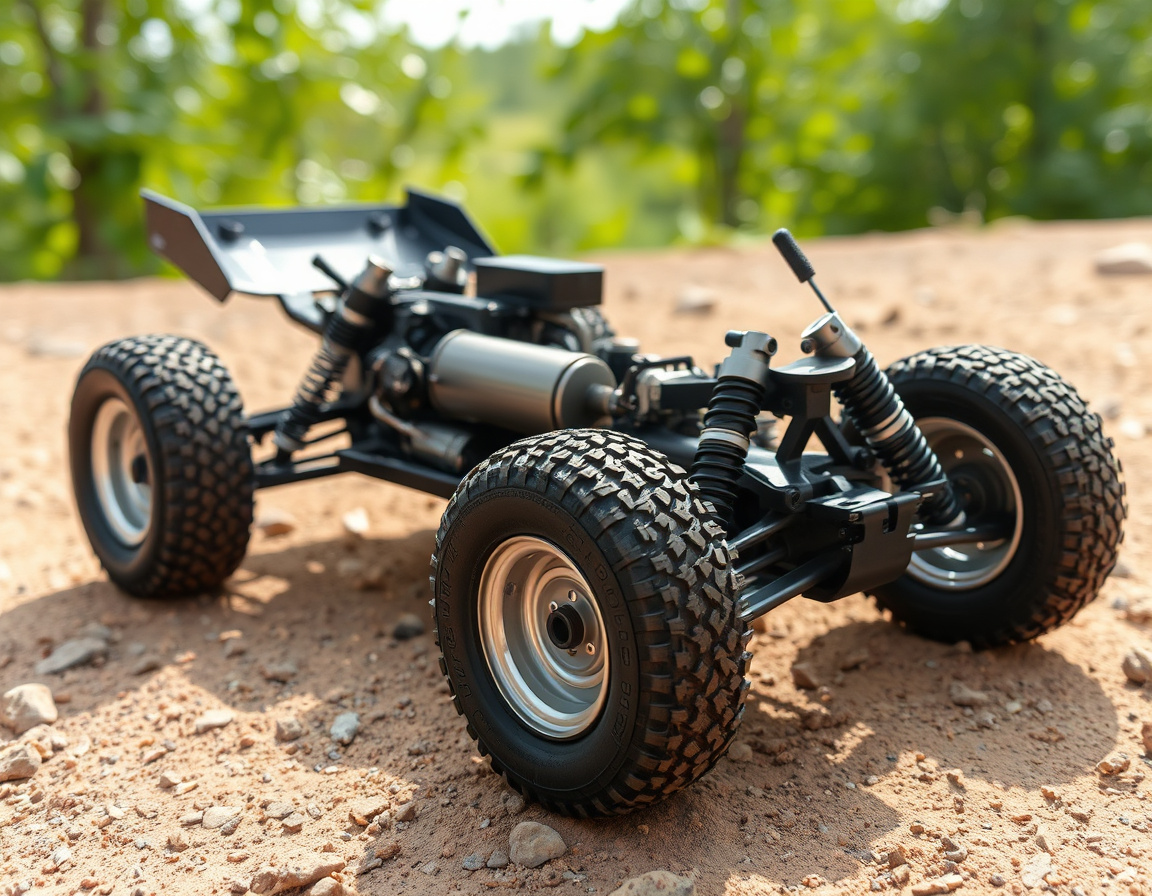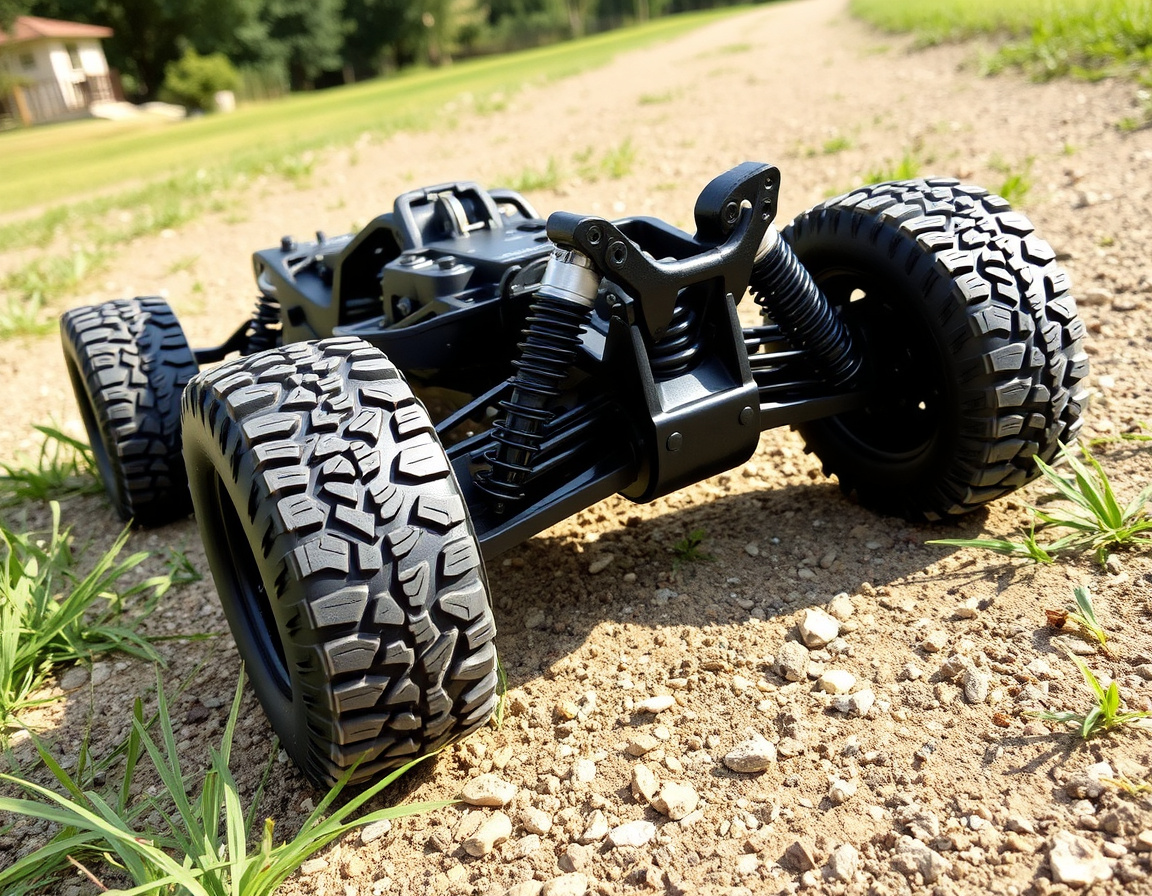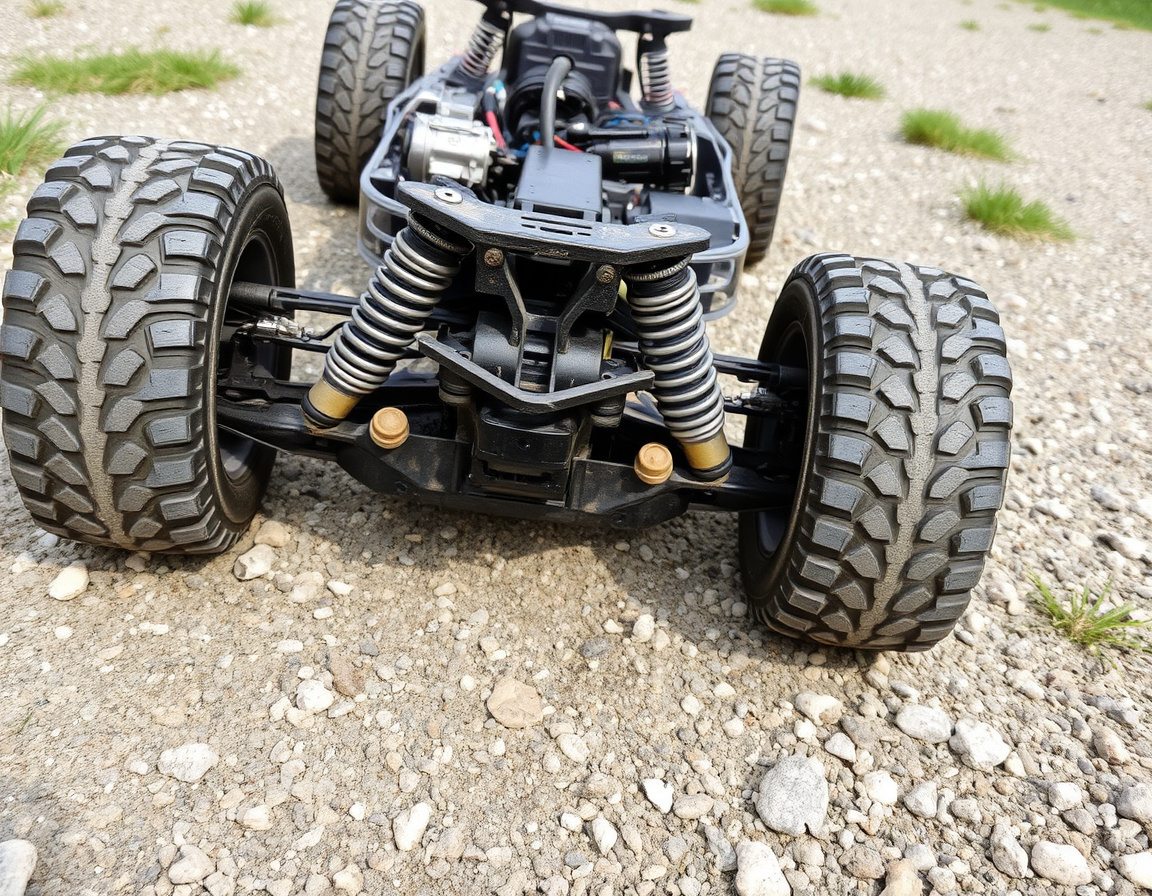
A 1/4 scale RC car is a large, impressive radio-controlled vehicle designed to be a highly detailed and powerful replica of a full-size car, offering a significant step up in performance and realism within the hobby.
Key Points
- Inspect chassis underside and drivetrain for damage before buying.
- Expect higher component wear and breakage due to larger scale.
- Rare parts may require custom machining or higher prices.
- Used, ready-to-run 1/4 scale RC cars cost typically $300-$600.
- Look for video proof of full steering and throttle response.
Why Used 1/4 Scale RC Cars Command Serious Attention from Enthusiasts
Used 1/4 scale RC cars represent the sweet spot between impressive scale realism and manageable investment for serious hobbyists.
These large-format vehicles deliver an authentic driving experience that smaller scales simply cannot match, with their substantial weight and realistic suspension geometry providing true-to-life handling characteristics.
The 1/4 scale market has exploded in recent years as enthusiasts seek more engaging alternatives to the typical 1/10 or 1/8 scale offerings, driving strong demand for quality pre-owned models.
For buyers ready to step up their RC game, the used market offers access to premium platforms that would otherwise require significant financial commitment when purchased new.
The Hidden Advantage That Makes 1/4 Scale Different from Everything Else
What most people don’t realize is that 1/4 scale RC cars actually handle more predictably than their smaller counterparts because their increased mass and lower center of gravity create genuine automotive physics.
Unlike smaller scales that can feel twitchy and artificial, these larger models respond to steering inputs with the same progressive feel you’d experience in a real car, making them surprisingly easier to control at speed.
This physical advantage means that many drivers who struggle with smaller, more aggressive RC cars find themselves naturally more comfortable and confident behind the transmitter of a 1/4 scale machine.
The scale’s inherent stability also makes it an excellent choice for drivers transitioning from static scale models to active RC driving.
The Parts Availability Challenge That Catches Many Buyers Off Guard
Many manufacturers have discontinued specific models or use proprietary components that aren’t interchangeable with other brands, leaving owners scrambling to find everything from steering linkages to specialized driveline components.
This parts scarcity becomes particularly problematic because the larger scale means higher stress loads on components, leading to more frequent wear and occasional breakage during normal operation.
The frustration intensifies when owners realize they may need to machine custom parts or pay premium prices for rare components to keep their investment running properly.
What Your Budget Should Realistically Cover in Today’s Market
Expect to invest between $300 and $600 for a decent used 1/4 scale RC car in fair to good condition that’s ready to run with minimal additional investment.
Well-maintained examples from premium manufacturers or models with quality upgrades typically command $700 to $1,200, representing solid value for buyers who want reliability and performance.
At the upper end, rare or collectible models can easily exceed $1,500 and reach $2,500 or more, particularly for vintage platforms no longer in production.
The $600 to $900 range often represents the best balance of quality and value, giving you access to capable platforms without paying premium prices for collector status or absolute pristine condition.
The Pre-Purchase Inspection That Saves Hundreds in Hidden Costs
Always request detailed photos of the chassis underside and drivetrain components before committing to any used 1/4 scale purchase, as damage in these areas often costs more to repair than the car’s purchase price.
Focus particularly on the condition of the differential housings, transmission case, and suspension mounting points, since these components are expensive to replace and difficult to repair properly.
Smart buyers also ask for a short video of the car running through its full steering range and throttle response, which can reveal binding issues or electronic problems that aren’t obvious in static photos.
This simple inspection process will help you avoid cars with hidden damage that could double your total investment before you ever get to enjoy driving.