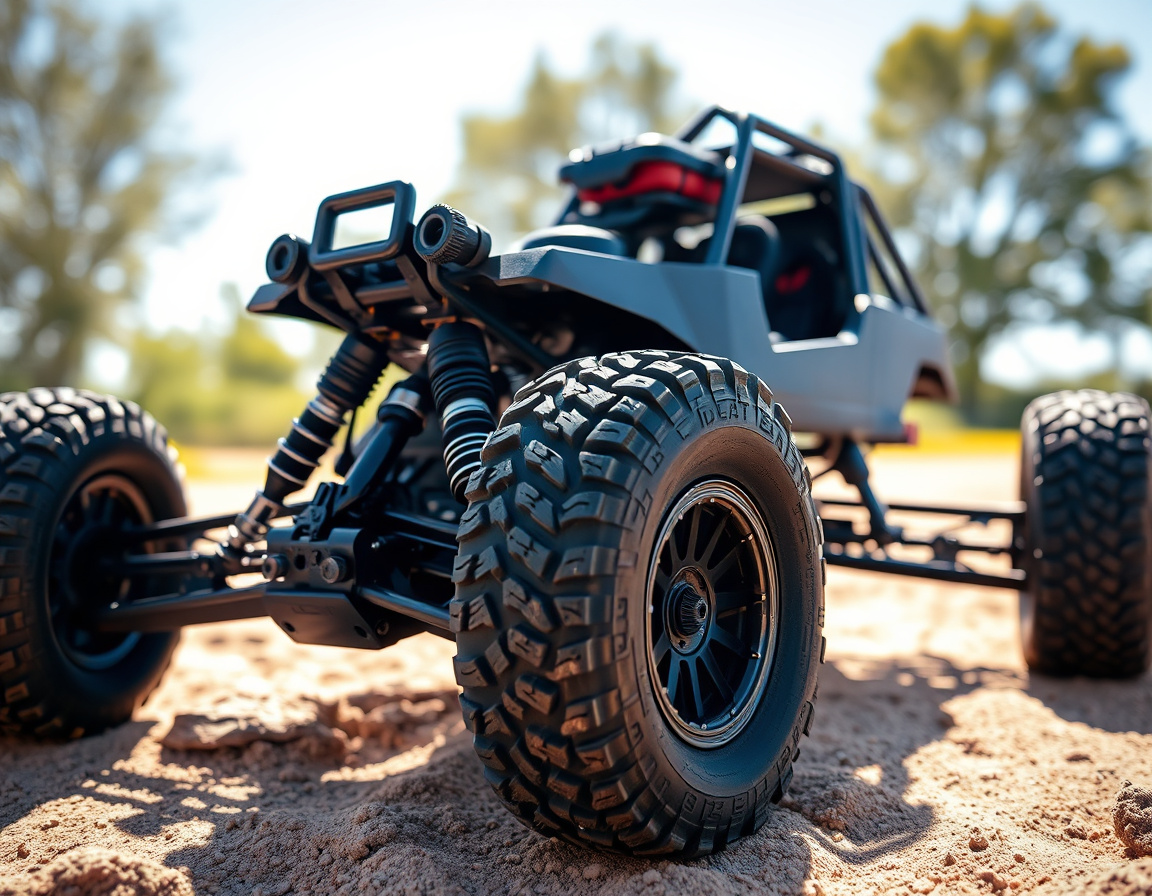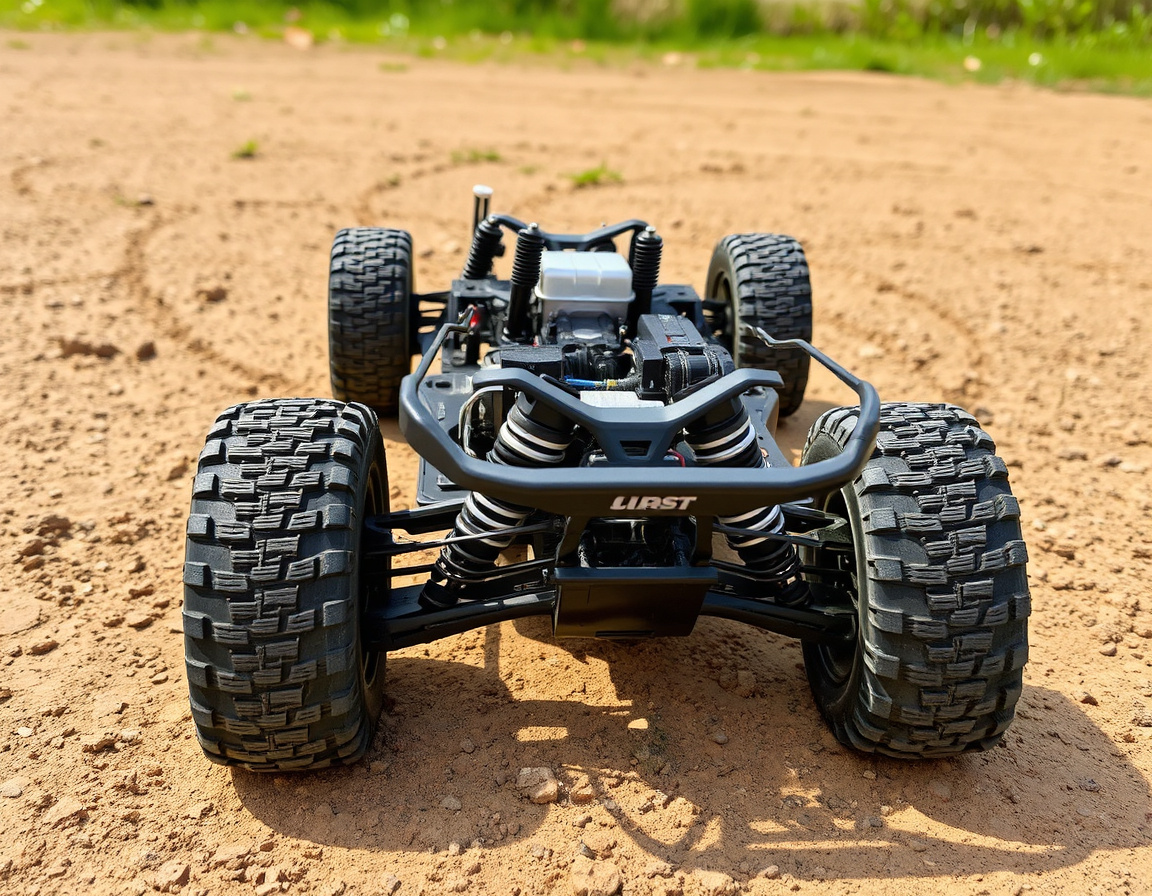
1/10 scale nitro RC cars are powerful, gas-powered radio-controlled vehicles that offer a realistic and exhilarating driving experience, often replicating the look and performance of their full-size counterparts within the hobby of remote-controlled car racing and bashing.
Key Points
- 1/10 scale nitro RC cars offer a balance of performance and size.
- They provide a realistic experience with engine sounds and smoke.
- Optimal nitro fuel for 1/10 engines is typically 16-20%.
- A good hobby-grade model typically costs between $400 and $600.
- Check engine compression before purchasing; strong suction is key.
Why 1/10 Scale Nitro RC Cars Are Racing Into Every Enthusiast’s Collection
1/10 scale nitro RC cars represent the perfect intersection of authentic racing performance and manageable size, making them the most popular choice among serious hobbyists.
These vehicles deliver real internal combustion engine power through nitro fuel, creating an authentic driving experience complete with engine sounds, exhaust smoke, and the visceral sensation of controlling a miniature racing machine.
The 1/10 scale size offers an ideal balance – large enough to handle rough terrain and provide detailed scale realism, yet compact enough for backyard racing and easy transportation.
This combination of authentic performance and practical size has made 1/10 scale nitro cars the backbone of competitive RC racing circuits worldwide.
The Fuel Secret That Changes Everything About Performance
Most buyers don’t realize that the nitromethane percentage in their fuel can dramatically transform their car’s character – and it’s not always about going higher.
While many assume that higher nitro content automatically means better performance, experienced racers know that most 1/10 scale engines actually perform optimally with 16-20% nitro fuel rather than the 25-30% blends that newcomers often gravitate toward.
Higher nitro percentages can actually reduce engine life and create tuning headaches, while the moderate percentages provide smoother power delivery, better fuel economy, and surprisingly competitive performance.
This knowledge can save you significant money on fuel costs while extending your engine’s lifespan.
The Tuning Nightmare That Frustrates Even Experienced Drivers
Unlike electric vehicles that perform predictably every time, nitro engines require constant adjustment of the high-speed and low-speed needle valves to maintain optimal performance.
Temperature changes, humidity levels, altitude, and even different fuel brands can throw off your carefully dialed-in settings, leading to poor performance, engine damage, or complete failure to start.
This ongoing maintenance requirement often catches buyers off-guard, as they expect the same plug-and-play experience they get with electric models.
Investment Ranges That Match Your Racing Ambitions
Smart buyers should plan for a $300-800 investment range to get properly equipped for 1/10 scale nitro racing.
Entry-level ready-to-run models around $200-300 will get you started but often require immediate upgrades to handle serious driving.
The sweet spot for most enthusiasts falls in the $400-600 range, where you’ll find hobby-grade models with quality components that can grow with your skills.
Competition-level vehicles commanding $700+ are engineered for serious racers who demand maximum adjustability and durability.
Remember that your initial purchase is just the beginning – factor in additional costs for fuel, glow plugs, tools, and inevitable upgrade parts that will enhance your driving experience.
The Pre-Purchase Test That Saves Hundreds in Repairs
Before committing to any 1/10 scale nitro car, perform this simple compression test that most buyers skip: remove the glow plug and place your finger firmly over the hole while pulling the starter cord.
A healthy engine should create strong suction that’s difficult to overcome, indicating good piston ring seal and compression.
Weak or inconsistent compression suggests internal engine wear that could lead to expensive rebuilds shortly after purchase.
This 30-second test can reveal engine problems that aren’t apparent during normal operation, potentially saving you from buying someone else’s mechanical headaches or helping you negotiate a better price on a vehicle that needs attention.