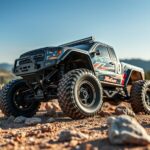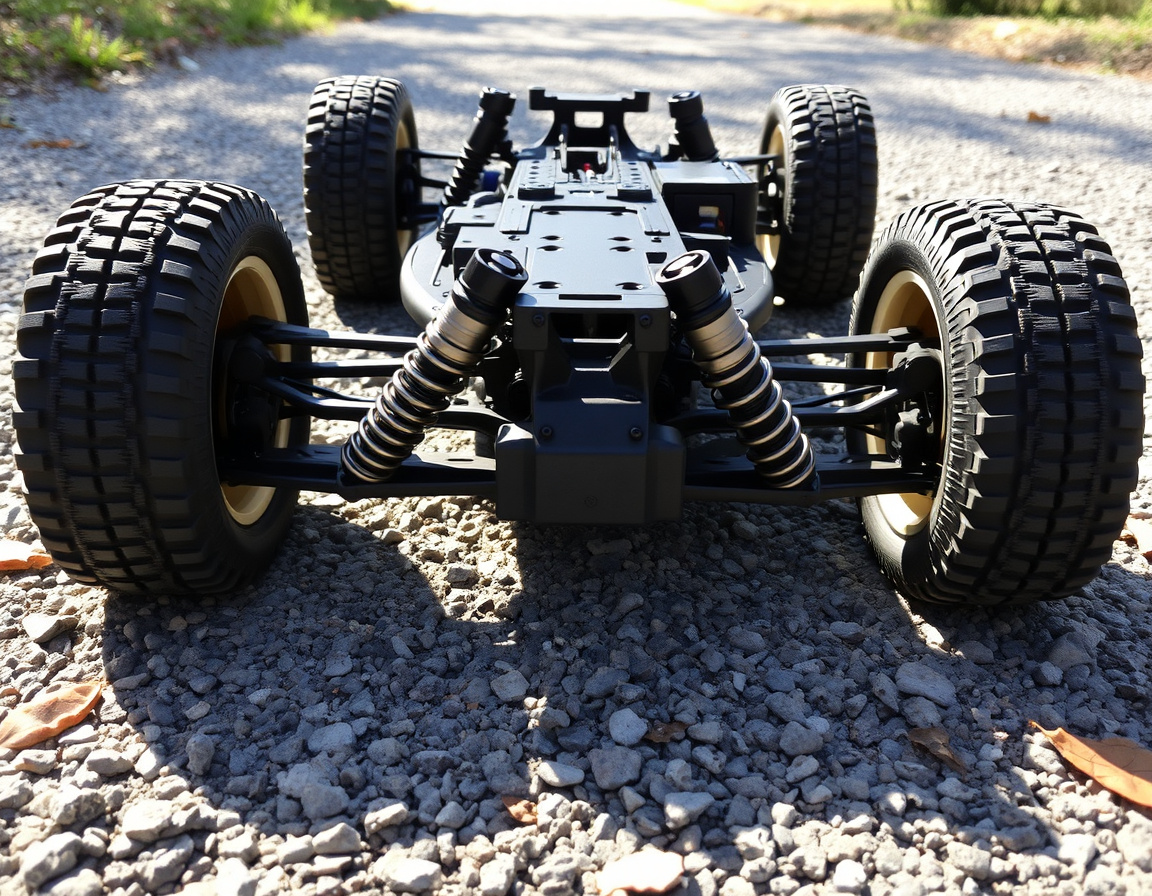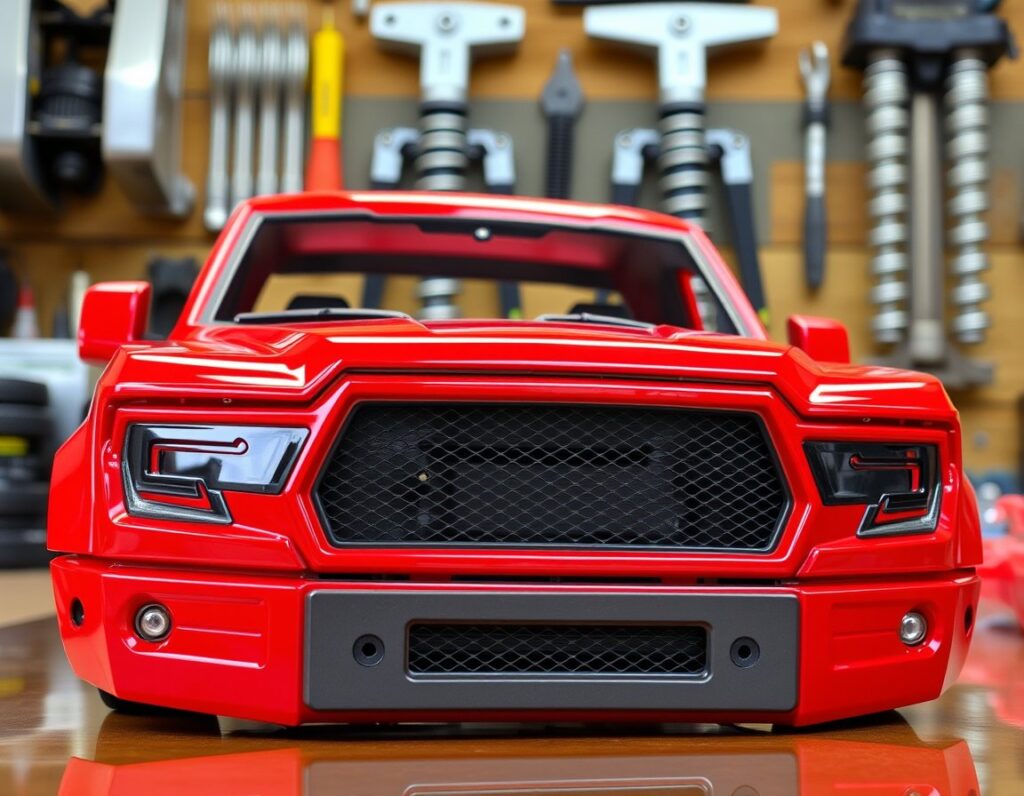
A 1/10 scale RC hard body is a detailed, pre-painted replica of a real car or truck made from plastic that attaches to a 1/10th scale radio-controlled vehicle chassis, significantly enhancing its realism and visual appeal for hobbyists.
Key Points
- Durable RC hard bodies offer realistic looks and protection.
- Polycarbonate shells flex to absorb impacts without cracking.
- Prepare unpainted bodies with masking and painting, a time-consuming process.
- Expect preparation costs to potentially double the initial body price.
- Purchase compatible bodies and mounting hardware from the same supplier.
Why 1/10 Scale RC Hard Bodies Are the Go-To Choice for Serious Hobbyists
A 1/10 scale RC hard body is a durable polycarbonate or composite shell that fits over the chassis of radio controlled vehicles, providing both protection and realistic appearance.
These bodies have become incredibly popular because they offer the perfect balance of detail, durability, and customization options that appeal to both casual drivers and competitive racers.
Unlike their smaller counterparts, 1/10 scale bodies provide enough surface area for intricate paint schemes and decal work while maintaining the structural integrity needed for high-speed driving and occasional crashes.
The scale also allows manufacturers to create highly detailed replicas of real vehicles, from sleek sports cars to rugged monster trucks, giving hobbyists the chance to drive their dream machines in miniature form.
The Hidden Engineering That Makes These Bodies Nearly Indestructible
Most buyers don’t realize that quality 1/10 scale RC hard bodies are manufactured using specialized polycarbonate that’s specifically formulated to flex rather than crack under impact.
This proprietary blend of materials allows the body to absorb tremendous force from crashes and rollovers, then return to its original shape without permanent damage.
The secret lies in the molecular structure of the polycarbonate, which maintains flexibility even in extreme temperatures, unlike cheaper alternatives that become brittle in cold weather or soft in heat.
Professional racers often prefer these bodies specifically because they can endure multiple seasons of competitive driving without requiring replacement, making them a surprisingly economical choice despite their higher upfront cost.
The Paint and Prep Nightmare That Catches New Buyers Off Guard
The biggest frustration for newcomers is discovering that most hard bodies require extensive preparation before they’re ready to hit the track.
Many bodies come completely clear and unpainted, requiring buyers to mask, prime, and paint the entire shell themselves – a process that can take days and requires specialized paints, primers, and techniques.
Even pre-painted bodies often need additional work like trimming shock holes, mounting hardware installation, and protective film application to prevent paint damage.
This preparation phase frequently doubles or triples the initial investment when factoring in tools, paints, and supplies, leaving many buyers wishing they had budgeted for the complete setup rather than just the body itself.
Smart Spending Guide: What Your Budget Actually Gets You
The sweet spot for most hobbyists falls between $60-120, where you’ll find bodies with pre-cut holes, quality materials, and often some basic paint or graphics already applied.
Premium options exceeding $150 typically feature officially licensed designs, multiple paint layers, detailed graphics, and sometimes even LED light kits or special effects.
While these higher-priced bodies offer exceptional appearance and collectible value, the performance difference on the track is minimal compared to mid-range options, making the $80-100 range the best value for most drivers.
The One Purchase Strategy That Saves Money and Prevents Regret
Always buy your hard body and mounting hardware from the same supplier or verify compatibility before purchasing, as different manufacturers use varying hole patterns and mounting systems that may not align properly.
Many buyers end up purchasing multiple bodies or additional hardware because they assumed all 1/10 scale bodies would fit their chassis, only to discover that wheelbase measurements and mounting points vary significantly between brands.
Take precise measurements of your chassis wheelbase and mounting hole locations, then confirm these specifications with the body manufacturer before ordering to avoid costly returns or modifications that could weaken the body’s structural integrity.