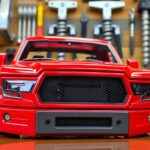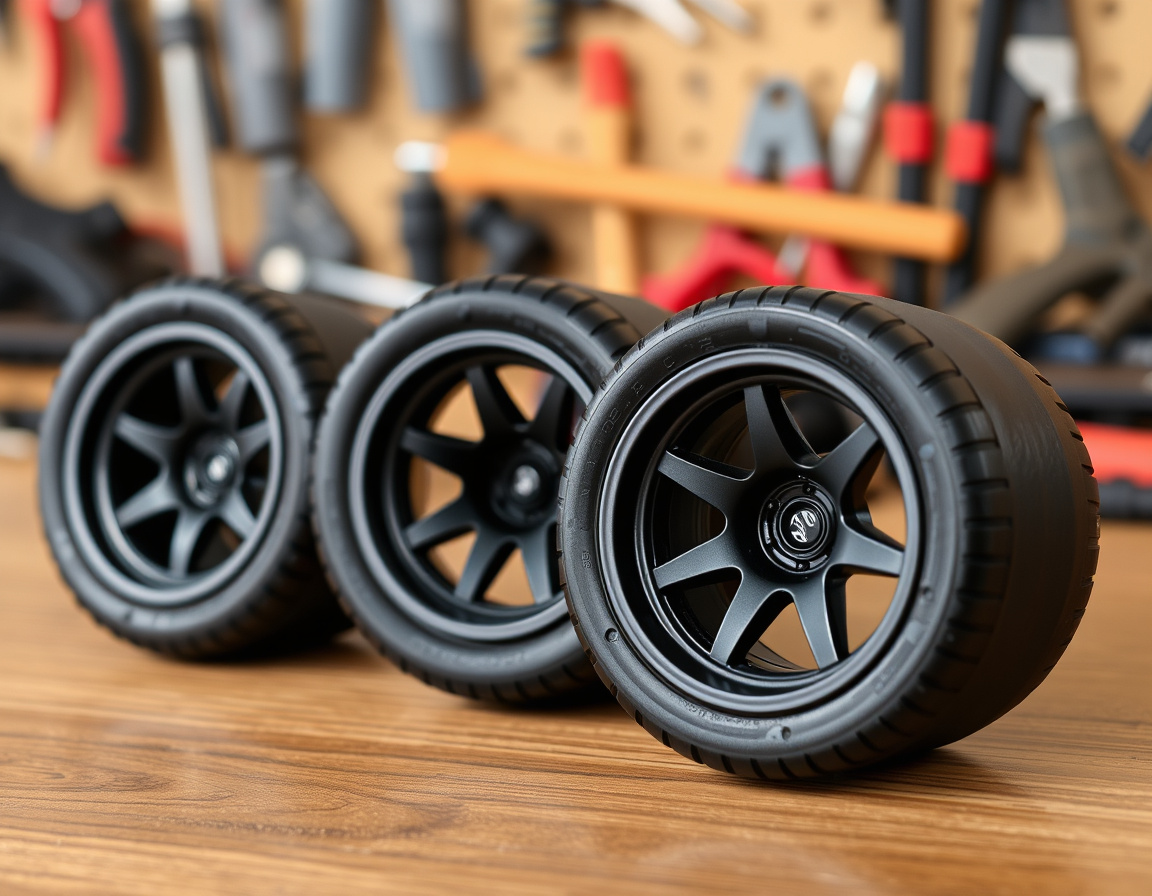
An "1/10 scale RC RTR" refers to a ready-to-run radio-controlled vehicle that is approximately one-tenth the size of its real-life counterpart, meaning it comes complete with everything you need to start operating it right out of the box.
Key Points
- 1/10 scale RC cars are popular for their size and performance balance.
- RTR models come fully assembled and ready to drive.
- Chassis material and design greatly impact performance and upgrades.
- Aluminum or carbon fiber chassis offer better durability and heat management.
- Upgrading batteries to LiPo significantly improves run time and performance.
Ready-to-Run 1/10 Scale RC Cars: The Perfect Entry Point for Serious RC Enthusiasts
A 1/10 scale Ready-to-Run (RTR) RC car represents the sweet spot in radio-controlled vehicles, offering an ideal balance of size, performance, and convenience that has made it the most popular scale in the hobby.
These vehicles come completely assembled with everything needed to drive straight out of the box – including transmitter, receiver, motor, and often even batteries and charger.
The 1/10 scale delivers impressive speed and handling while remaining manageable for both beginners and experienced drivers, with sizes typically ranging from 12 to 20 inches long.
Their popularity stems from the perfect combination of realistic scale appearance, robust durability for outdoor adventures, and the extensive aftermarket support that allows for endless customization possibilities.
The Chassis Secret That Separates Champions From Casual Drivers
Most buyers focus on motor power and top speed specifications, but experienced RC enthusiasts know that the chassis material and design fundamentally determines a vehicle’s long-term performance and upgrade potential.
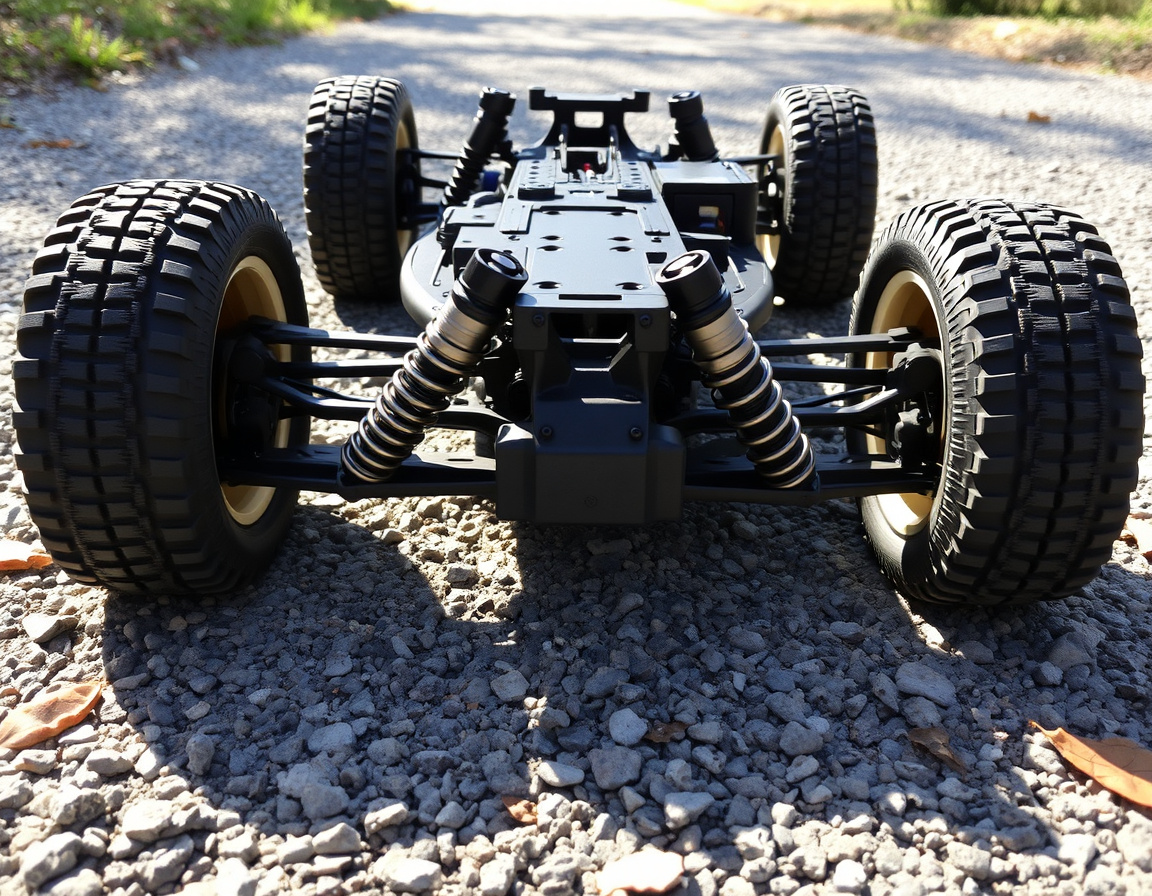
High-quality 1/10 scale RTR models feature aluminum or carbon fiber chassis components that not only provide superior crash resistance but also offer better heat dissipation and more precise handling characteristics.
The chassis architecture – whether it’s a traditional ladder frame, tub design, or modular platform – directly impacts how easily you can perform maintenance, install upgrades, and adapt the vehicle for different terrain types.
This foundational element often explains why two seemingly similar RTR models at comparable price points can have dramatically different driving experiences and longevity.
Why Most New Owners Hit the Frustration Wall Within the First Month
The biggest challenge that blindsides new 1/10 scale RTR owners is the unexpected learning curve around battery management and charging systems, which can quickly lead to disappointing performance and shortened run times.
Many RTR packages include basic NiMH batteries and budget chargers that provide minimal run time and excruciatingly slow charging cycles, creating a cycle where you spend more time waiting than driving.
Additionally, the stock radio systems in entry-level models often lack the range and precision needed for optimal control, especially as drivers develop their skills and want to push their vehicles harder.
These limitations become apparent just as the initial excitement peaks, leading many to feel like they need to immediately invest in upgrades or consider whether they chose the wrong model entirely.
Investment Ranges: From Weekend Warrior to Competition-Ready Performance
Entry-level 1/10 scale RTR models in the $150-$200 range provide solid basic functionality and are perfect for casual backyard fun, though they typically include budget electronics and plastic components throughout.
The $300-$500 mid-range category offers the best value proposition, featuring significantly better build quality, more powerful motors, improved radio systems, and often oil-filled shocks that deliver a much more refined driving experience.
Premium RTR models starting at $600 and climbing toward $1,000 include brushless motor systems, advanced suspension designs, and competition-grade electronics that rival custom-built race vehicles.
Understanding these price tiers helps you match your budget to your intended use level, whether that’s occasional recreational driving or serious performance-oriented adventures.
The Battery Upgrade Strategy That Saves Money Long-Term
Look for RTR models that specifically advertise LiPo compatibility in their stock configuration, as this indicates the electronic speed controller can handle the higher voltage and the chassis includes proper battery mounting systems.
This approach allows you to enjoy your new RTR immediately with the included components while having a clear upgrade path that transforms the vehicle’s capabilities without requiring complex modifications or voiding warranties.