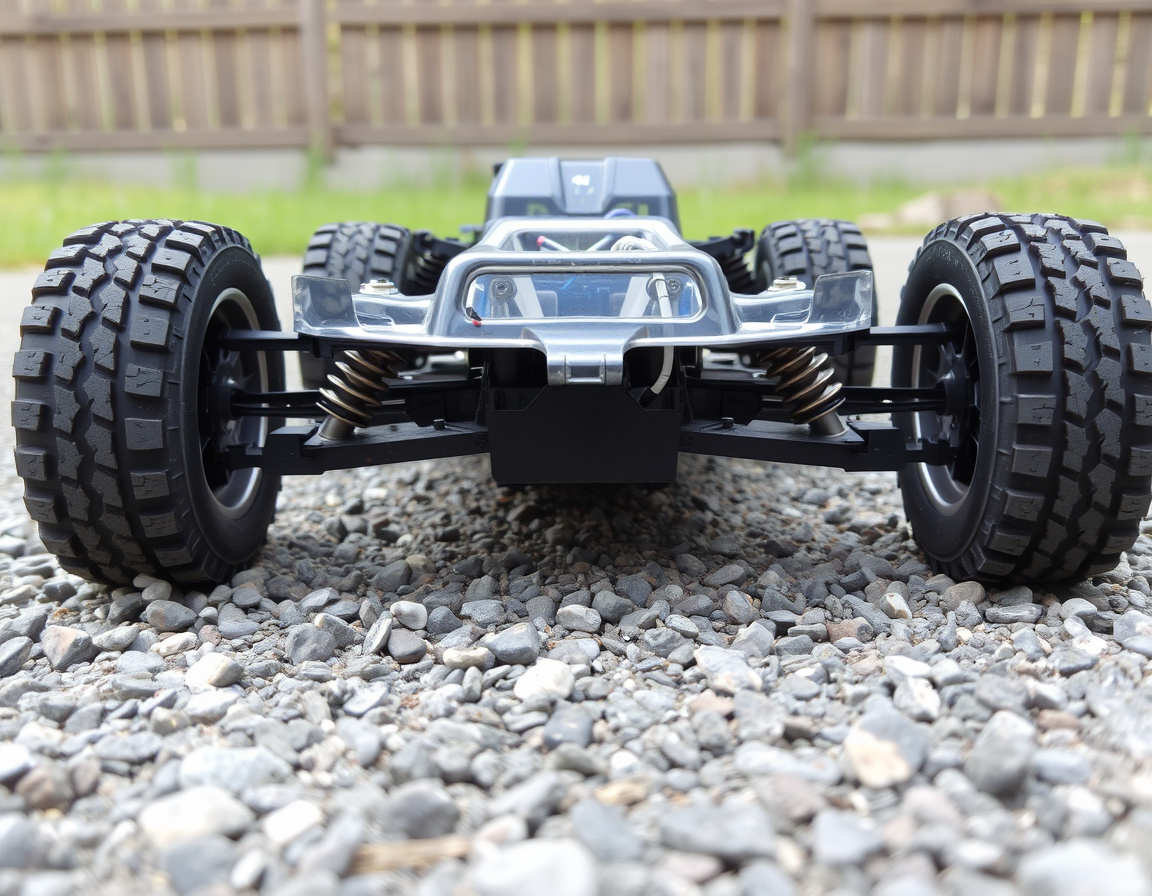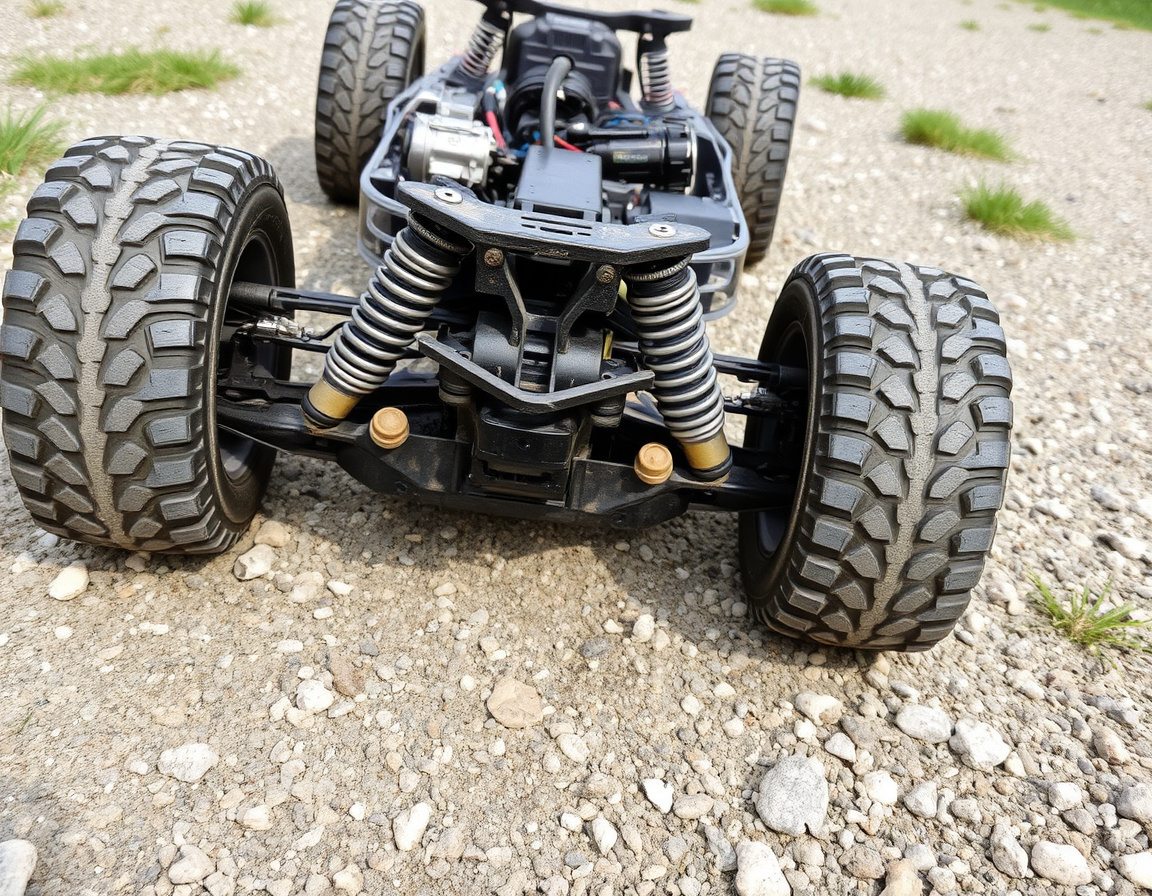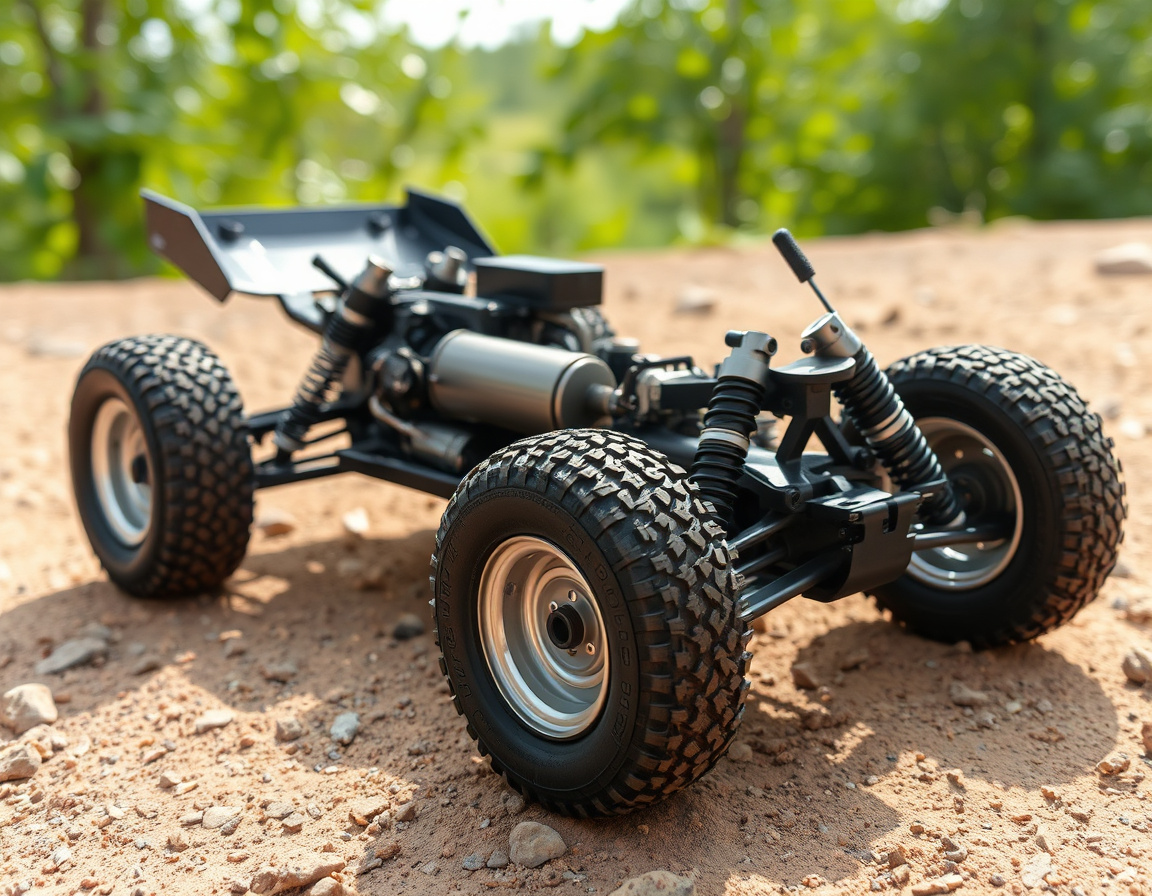
1/5 scale RC gas vehicles are large, powerful radio-controlled cars and trucks powered by actual internal combustion gasoline engines, offering a realistic and exhilarating experience akin to their 1:1 counterparts.
Key Points
- 1/5 scale RC vehicles offer a powerful, immersive driving experience.
- They feature substantial size and gasoline engines from 23cc to 45cc.
- These models can achieve speeds exceeding 50 mph.
- Proper engine break-in and regular maintenance are essential.
- Initial costs range from $350 to over $1000, plus accessories.
Why 1/5 Scale RC Gas Vehicles Command Serious Attention from Hobbyists
1/5 scale RC gas vehicles represent the pinnacle of radio controlled car performance, offering an authentic driving experience that bridges the gap between hobby-grade models and real motorsports.
These large-scale machines typically measure 30+ inches in length and are powered by genuine gasoline engines ranging from 23cc to 45cc, delivering speeds that can exceed 50 mph with ear-splitting realism.
The combination of substantial size, raw power, and mechanical complexity makes them incredibly popular among experienced hobbyists who crave the most immersive RC experience possible.
Their impressive scale presence and thunderous sound signature create an adrenaline-pumping experience that smaller electric or nitro models simply cannot match.
The Engine Break-In Secret That Separates Novices from Experts
Here’s something most buyers don’t realize: the first tank of fuel you run through your 1/5 scale gas engine will largely determine its lifespan and performance characteristics for years to come.
Unlike electric motors that deliver instant full power, gas engines require a precise break-in procedure where you must resist the temptation to run at full throttle during the first several hours of operation.
Professional drivers know to gradually increase RPM over multiple sessions, allowing the piston rings to properly seat and internal components to mate correctly.
This critical break-in period, when done properly, can mean the difference between an engine that lasts 100 hours versus one that fails after just 20 hours of use.
The Fuel and Maintenance Reality That Catches New Owners Off-Guard
These machines consume premium gasoline mixed with high-quality 2-stroke oil at a rate of approximately one gallon every 3-4 hours of runtime, plus they require regular maintenance including air filter cleaning, spark plug replacement, and periodic engine tune-ups.
Many newcomers underestimate the time commitment involved, as each running session requires pre-flight checks, warm-up procedures, and post-run maintenance that can easily double your actual driving time.
The combination of fuel costs, replacement parts, and the steep learning curve for small engine repair often leads to frustrated owners seeking to upgrade to more reliable platforms or exit the hobby entirely.
Understanding the Investment Spectrum from Budget to Championship-Level
When budgeting for a 1/5 scale gas RC vehicle, expect to invest anywhere from $350 for a basic ready-to-run model up to $1000 or more for competition-grade machines.
The sweet spot for most hobbyists falls in the $500-$700 range, where you’ll find reliable platforms with quality engines, adequate radio systems, and decent build quality that won’t leave you stranded at the track.
Premium models above $800 typically feature high-performance engines, advanced suspension systems, and precision-machined components that justify their cost through superior durability and performance.
Remember that the initial purchase is just the beginning—factor in an additional $200-$300 for essential accessories, tools, spare parts, and fuel to get properly started in the hobby.
The Pre-Purchase Inspection Strategy That Saves Hundreds in Repairs
Before committing to any 1/5 scale gas RC purchase, especially used models, perform this critical engine compression test: remove the spark plug and pull the starter cord while covering the plug hole with your thumb.
A healthy engine should build enough compression to make pulling noticeably difficult and push your thumb away from the hole with authority.
Weak or inconsistent compression often indicates worn piston rings, scored cylinders, or valve problems that can cost $150-$300 to repair properly.
Additionally, inspect the clutch system by looking for excessive wear on the clutch shoes and bell housing, as clutch replacement can easily run $75-$100 and is one of the most common failure points on heavily used machines.