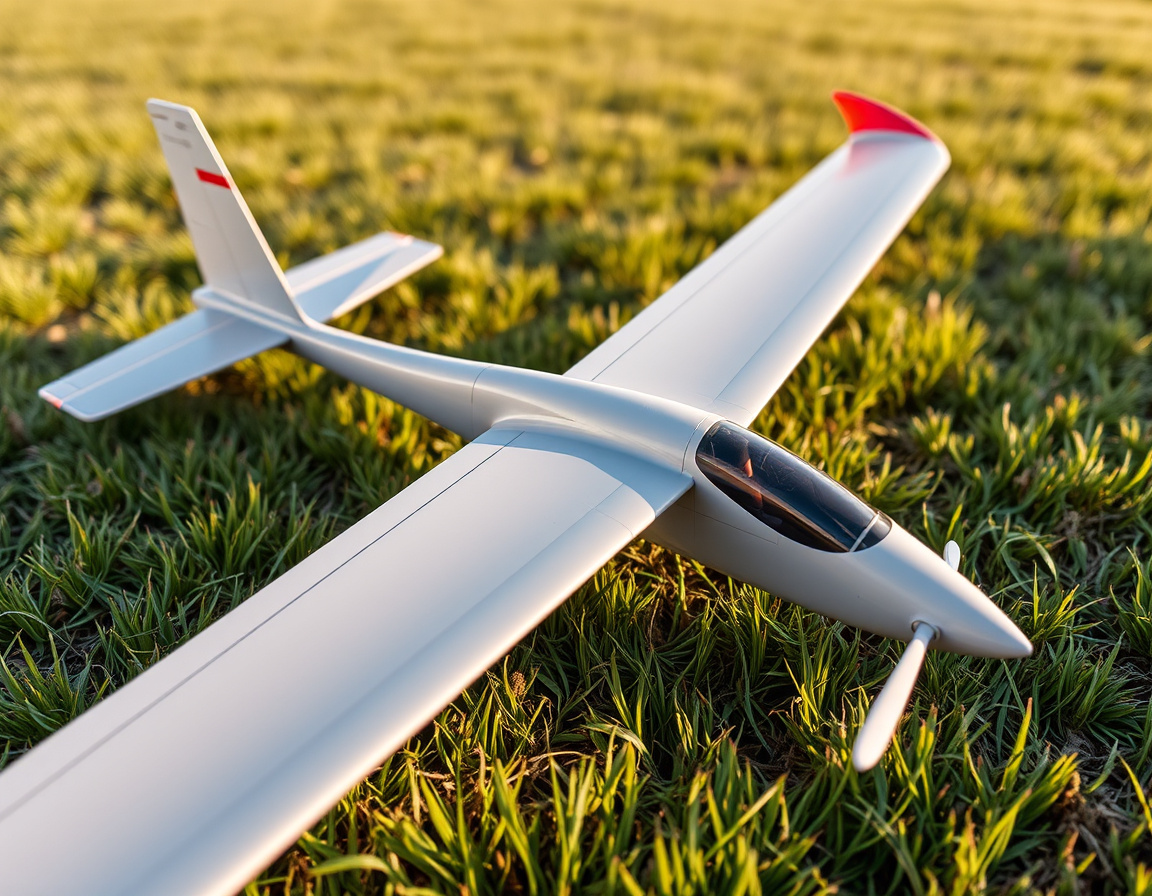
A flying wing RC airplane is a unique radio-controlled aircraft that lacks a traditional fuselage or tail, with all the lifting surfaces integrated into a single wing shape for agile performance and a distinctive look.
Key Points
- Flying wings offer integrated design for incredible stability and glide.
- They boast superior efficiency with higher lift-to-drag ratios.
- Their drag reduction leads to longer air time and better glides.
- Accurate Center of Gravity (CG) is crucial for stable flight.
- Prices range from $100 for basic models to over $500 for premium ones.
Flying Wing RC Airplanes: The Ultimate Aerodynamic Experience
Flying wing RC airplanes represent one of the most fascinating and efficient aircraft designs in the radio control hobby, featuring a unique configuration where the wing and fuselage are integrated into a single lifting surface.
These aircraft have surged in popularity among RC enthusiasts due to their exceptional stability, impressive glide ratios, and beginner-friendly flight characteristics that make them ideal for both newcomers and experienced pilots.
The sleek, futuristic appearance combined with their ability to perform graceful soaring flights and efficient powered flight has made flying wings a go-to choice for pilots seeking a distinctive flying experience.
Whether you’re looking for a relaxing park flyer or an aerobatic performer, flying wing designs offer versatility that appeals to a wide range of RC pilots.
The Secret Behind Their Incredible Efficiency
What many potential buyers don’t realize is that flying wing RC airplanes can achieve lift-to-drag ratios that often exceed traditional aircraft designs by 20-30%, making them incredibly efficient in both powered and unpowered flight modes.
This exceptional efficiency stems from the elimination of a separate horizontal stabilizer and the reduction of interference drag between wing and fuselage components.
The result is an aircraft that can stay aloft longer on the same battery charge, glide farther when the power is cut, and maintain stable flight at surprisingly slow speeds.
This efficiency advantage translates directly into longer flight sessions and more enjoyable flying experiences, making them an excellent value proposition for pilots who want maximum air time.
The Center of Gravity Challenge That Trips Up Most Pilots
Many pilots struggle with what’s known as “pitch bobbing” or complete loss of control because the CG is positioned incorrectly, often just a few millimeters off from the optimal location.
This sensitivity to balance means that adding or removing even small components like batteries, cameras, or receivers requires careful recalculation and testing of the balance point.
The problem is compounded by the fact that most flying wings have a very narrow acceptable CG range, typically within a 5-10mm window, making proper setup both crucial and challenging for pilots accustomed to more forgiving conventional designs.
What You’ll Invest in Your Flying Wing Adventure
When budgeting for a flying wing RC airplane, expect to spend anywhere from $100 to $500+ depending on your performance requirements and experience level.
Entry-level ready-to-fly models in the $100-200 range offer excellent value for beginners, featuring basic electronics and smaller wingspans that are perfect for learning the unique handling characteristics of flying wings.
Mid-range options between $200-350 typically include better motors, more sophisticated flight control systems, and larger sizes that handle wind better while still remaining manageable.
Premium flying wings above $350 often feature advanced materials like carbon fiber, high-performance brushless power systems, and sophisticated gyro stabilization that makes them capable of impressive aerobatic performance and suitable for experienced pilots seeking maximum capability.
The Battery Placement Trick That Saves Money and Headaches
Install a battery tray system that allows you to slide the battery pack forward and backward within the wing, rather than using fixed mounting points, as this simple modification will save you countless hours of frustration and potentially expensive crashes.
Most flying wing kits come with fixed battery mounting positions that may not work perfectly with your specific battery and component combination, leading to CG issues that require expensive modifications or component replacements.
By creating an adjustable battery mounting system using rails, velcro strips, or a sliding tray, you can fine-tune the center of gravity without buying different batteries or relocating other components.
This approach also allows you to use different battery capacities for varying flight requirements while maintaining proper balance, essentially giving you multiple aircraft personalities in one airframe.