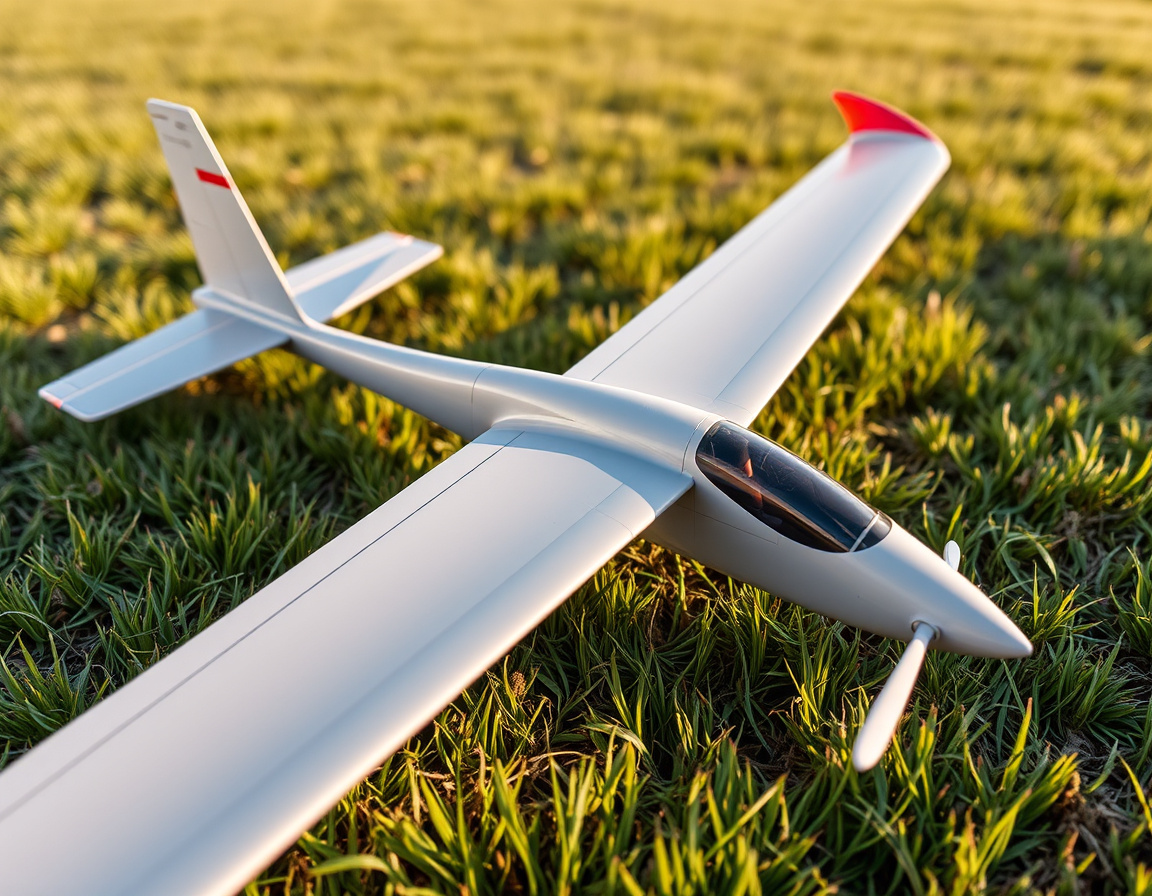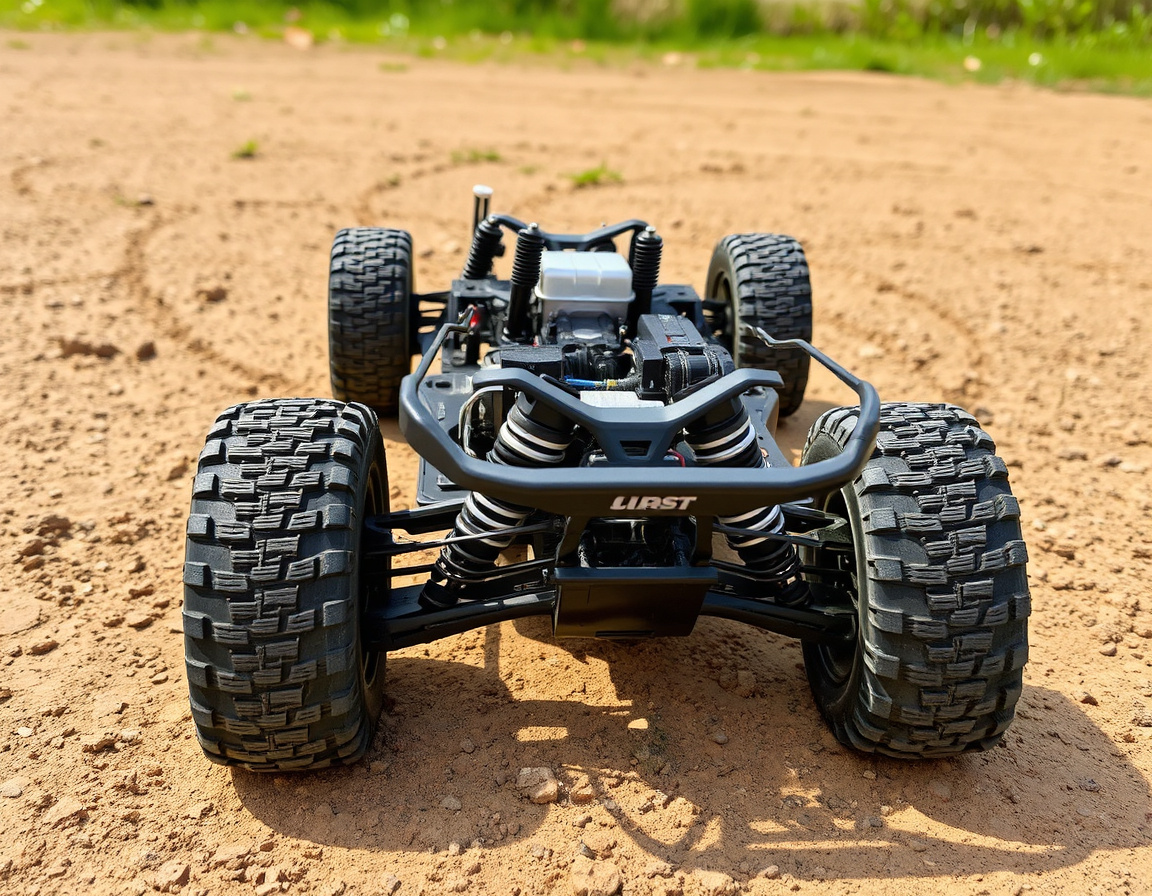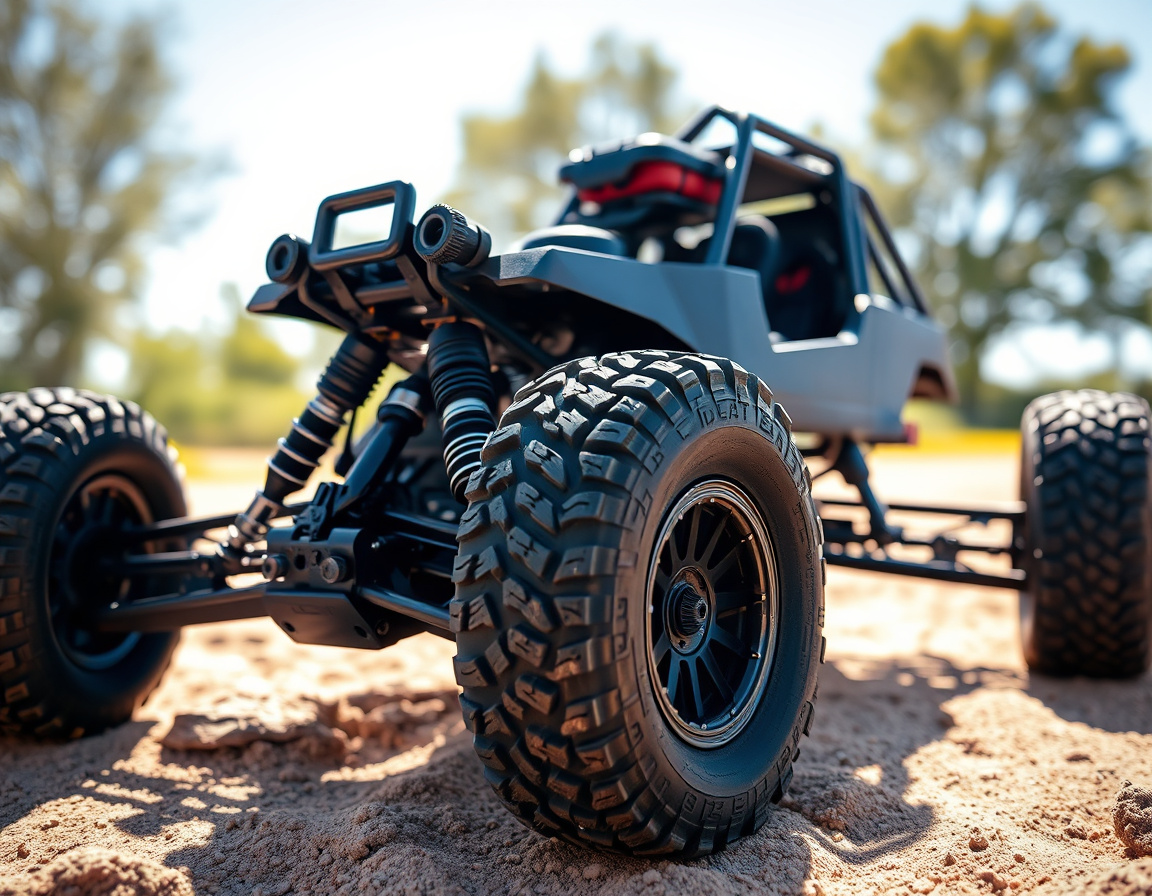
A 1/5 scale RC refers to a large-sized radio-controlled vehicle that is one-fifth the size of its real-life counterpart, offering a robust and exciting entry into the hobby.
Key Points
- 1/5 scale RCs are large, realistic models bridging toy and full-size vehicles.
- They offer superior power and traction for better off-road performance.
- Larger wheels and suspension easily conquer rough terrain and obstacles.
- These robust models allow for extensive, meaningful upgrades and customization.
- Owners should expect significant ongoing maintenance, especially for gas versions.
Why 1/5 Scale RC Vehicles Are Dominating the Hobby Market
1/5 scale radio-controlled vehicles represent the sweet spot between impressive size and practical performance, typically measuring 30-40 inches in length and weighing 25-35 pounds.
These substantial machines deliver an authentic driving experience that smaller scales simply cannot match, featuring realistic suspension travel, detailed body work, and engines powerful enough to tackle serious terrain.
The popularity of 1/5 scale RC stems from their ability to bridge the gap between toy-grade models and full-size vehicles, offering enthusiasts the thrill of operating a machine that looks, sounds, and performs like a scaled-down version of real trucks and cars.
Both newcomers and seasoned hobbyists gravitate toward this scale because it provides room for meaningful upgrades, customization, and the visceral satisfaction of controlling something truly substantial.
The Speed Secret Most Buyers Don’t Know About
Here’s what most potential buyers don’t realize: 1/5 scale vehicles can actually outperform many smaller scale models in real-world conditions due to their superior power-to-weight ratio and advanced suspension systems.
While a 1/10 scale buggy might achieve higher speeds on smooth surfaces, a quality 1/5 scale vehicle maintains better traction and control at high speeds across rough terrain, often resulting in faster lap times on challenging courses.
The larger wheels and longer suspension travel allow these machines to maintain momentum over obstacles that would stop smaller vehicles dead in their tracks.
This performance advantage becomes especially apparent in outdoor environments where the additional ground clearance and stability translate into significantly better handling and speed retention.
The Maintenance Reality That Catches Everyone Off Guard
Unlike smaller electric models that might run for months with minimal attention, 1/5 scale vehicles—particularly gas-powered ones—demand regular engine maintenance, air filter cleaning, and frequent inspection of wear components like clutch shoes and brake pads.
The sheer forces generated by these heavy, high-performance vehicles accelerate wear on everything from differential gears to shock absorbers, often requiring replacement parts every 10-15 hours of runtime.
Many buyers budget for the initial purchase but get blindsided by maintenance costs that can easily add up to several hundred dollars per year, especially when factoring in fuel, oil changes, and the inevitable repairs from hard driving sessions.
What You Should Expect to Invest in a Quality 1/5 Scale Vehicle
Entry-level 1/5 scale vehicles start around $400 for basic ready-to-run models, though you’ll need to budget an additional $100-200 for batteries, chargers, and essential accessories.
The sweet spot for most enthusiasts falls between $700-1,200, where you’ll find well-built models with reliable engines, quality suspension components, and durability suitable for regular use.
Premium options exceeding $1,500 typically feature high-end electronics, competition-grade engines, and advanced materials that justify the cost through superior performance and longevity.
Remember that your initial investment is just the beginning—plan to spend 15-20% of your vehicle’s value annually on maintenance, upgrades, and replacement parts to keep it running at peak performance.
The One Purchase Strategy That Saves Serious Money
Buy your first 1/5 scale vehicle as a complete roller (chassis without engine) and source the engine separately, even if it initially costs slightly more upfront.
This approach allows you to select an engine that matches your specific needs and skill level, while also ensuring you understand every component of your vehicle from day one.
More importantly, you’ll have the knowledge and confidence to perform your own maintenance and repairs, which can save you hundreds of dollars in shop fees over the vehicle’s lifetime.
Additionally, starting with a roller means you can upgrade to a more powerful engine later without replacing the entire vehicle, making this strategy both educational and economically smart for long-term ownership.