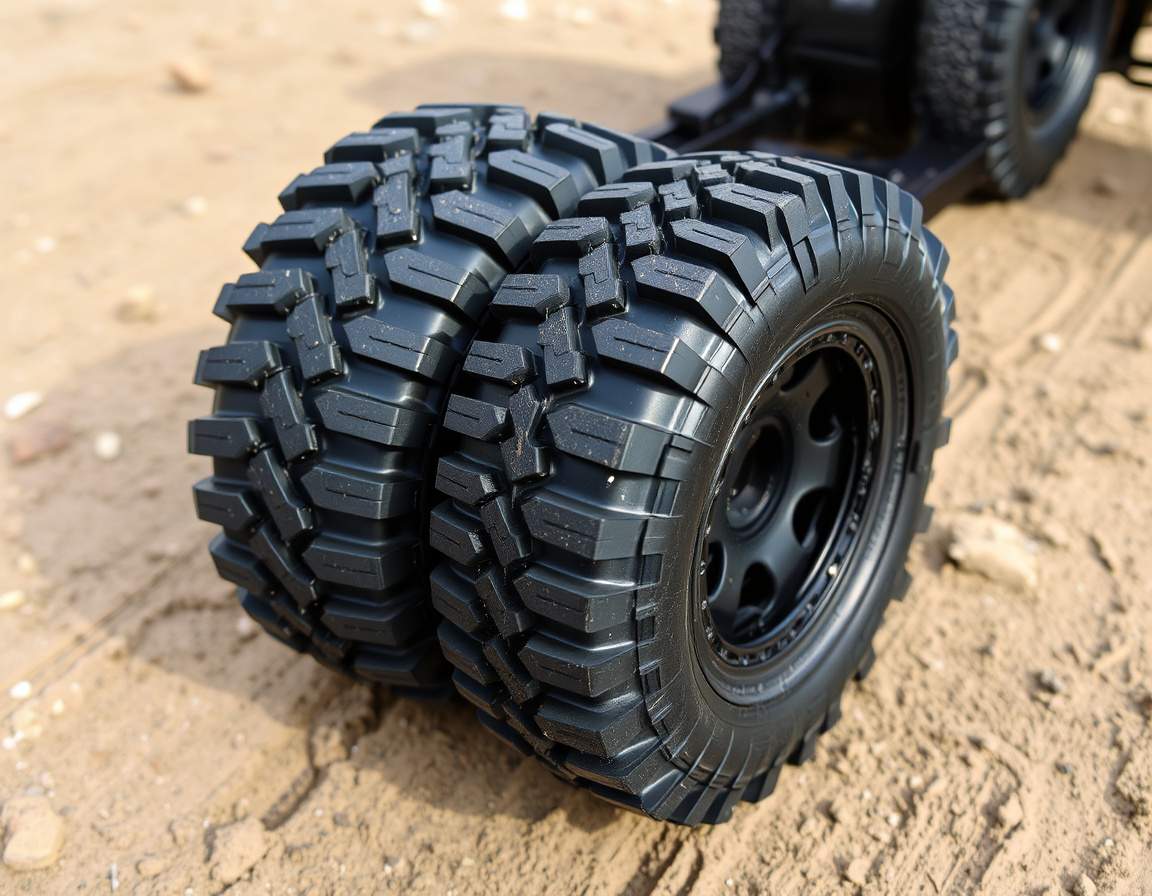
The Traxxas Slash 2WD tires are the crucial link between this popular electric short-course truck and the ground, dictating its grip, handling characteristics, and overall performance across various surfaces in the RC world.
Key Points
- Specialized rubber compounds enhance Slash 2WD performance.
- Tire compounds impact grip, wear, and surface suitability.
- Softer compounds offer more grip but wear faster.
- Harder compounds last longer but provide less traction.
- Regular maintenance like rotation maximizes tire lifespan and handling.
Why Traxxas Slash 2WD Tires Are Essential for Peak Performance
Traxxas Slash 2WD tires are specialized rubber compounds designed specifically for the popular Slash short course truck platform, delivering the traction and durability needed for both backyard bashing and competitive racing.
These tires have become increasingly popular among RC enthusiasts because they dramatically impact handling characteristics, allowing drivers to fine-tune their vehicle’s performance for different surfaces like asphalt, dirt, grass, or loose terrain.
The Slash 2WD’s lightweight design and aggressive driving style puts significant demands on tire performance, making quality rubber compounds essential for maintaining control during high-speed cornering and jumps.
Whether you’re looking to replace worn tires or upgrade for better performance, the right tire choice can transform your driving experience and extend the life of your vehicle’s drivetrain components.
The Compound Secret That Most Buyers Overlook
Most buyers don’t realize that Traxxas Slash 2WD tires use different rubber compounds that dramatically affect performance characteristics, with softer compounds providing superior grip but wearing faster, while harder compounds last longer but offer less traction.
This compound variation isn’t just marketing—it’s actual chemistry that determines whether your tires will excel on high-grip surfaces or provide consistent performance across multiple surface types.
Professional racers often run multiple sets of wheels with different tire compounds, switching based on track conditions and temperature, since a tire that performs excellently in cool morning conditions may become too soft and unpredictable in afternoon heat.
Understanding compound ratings before purchasing can save you from buying tires that don’t match your driving style or typical running conditions.
The Frustrating Reality of Premature Tire Wear
The most common frustration Slash 2WD owners encounter is premature tire wear, particularly on the rear tires which bear the brunt of acceleration forces and aggressive cornering maneuvers.
This problem is amplified by the Slash’s tendency to promote an aggressive driving style—the truck practically begs you to hit jumps harder and take corners faster, which rapidly goes through tire treads.
Many drivers discover that their stock tires develop flat spots, chunks missing from the tread, or completely bald patches after just a few intense driving sessions, especially when running on abrasive surfaces like concrete or rough asphalt.
The frustration multiplies when you realize that tire wear isn’t just cosmetic—worn tires significantly reduce traction, making the vehicle harder to control and potentially damaging other components as the truck slides and impacts obstacles more frequently.
Budget Planning: What You Should Expect to Invest
When shopping for Traxxas Slash 2WD tires, expect to invest between $20 to $70 for a complete set, with the price variation reflecting significant differences in compound technology, tread design, and expected lifespan.
Basic replacement tires at the $20-30 range will get you back on track with standard rubber compounds suitable for general bashing and recreational driving.
Mid-range options around $35-50 typically offer improved compound formulations, better tread patterns, and enhanced durability that justify the extra cost for regular drivers.
Premium tires in the $50-70 range feature advanced compounds designed for specific conditions, longer wear life, and performance characteristics that competitive drivers demand—these represent the best value for serious enthusiasts who drive frequently or participate in racing events.
The Smart Buyer’s Tire Rotation Strategy
Here’s the money-saving tip most Slash 2WD owners never learn: implement a systematic tire rotation schedule to double your tire life and maintain consistent handling characteristics throughout the tire’s lifespan.
Since the rear tires typically wear 2-3 times faster than the fronts due to acceleration and braking forces, rotating your tires every 4-5 driving sessions prevents the rears from becoming completely bald while the fronts remain nearly new.
The key is marking each tire’s position and rotating them in an X-pattern (front-left to rear-right, front-right to rear-left) to ensure even wear distribution across all four tires.
This simple practice not only extends tire life significantly but also maintains predictable handling since all four tires will have similar grip levels rather than mixing worn rears with fresh fronts.