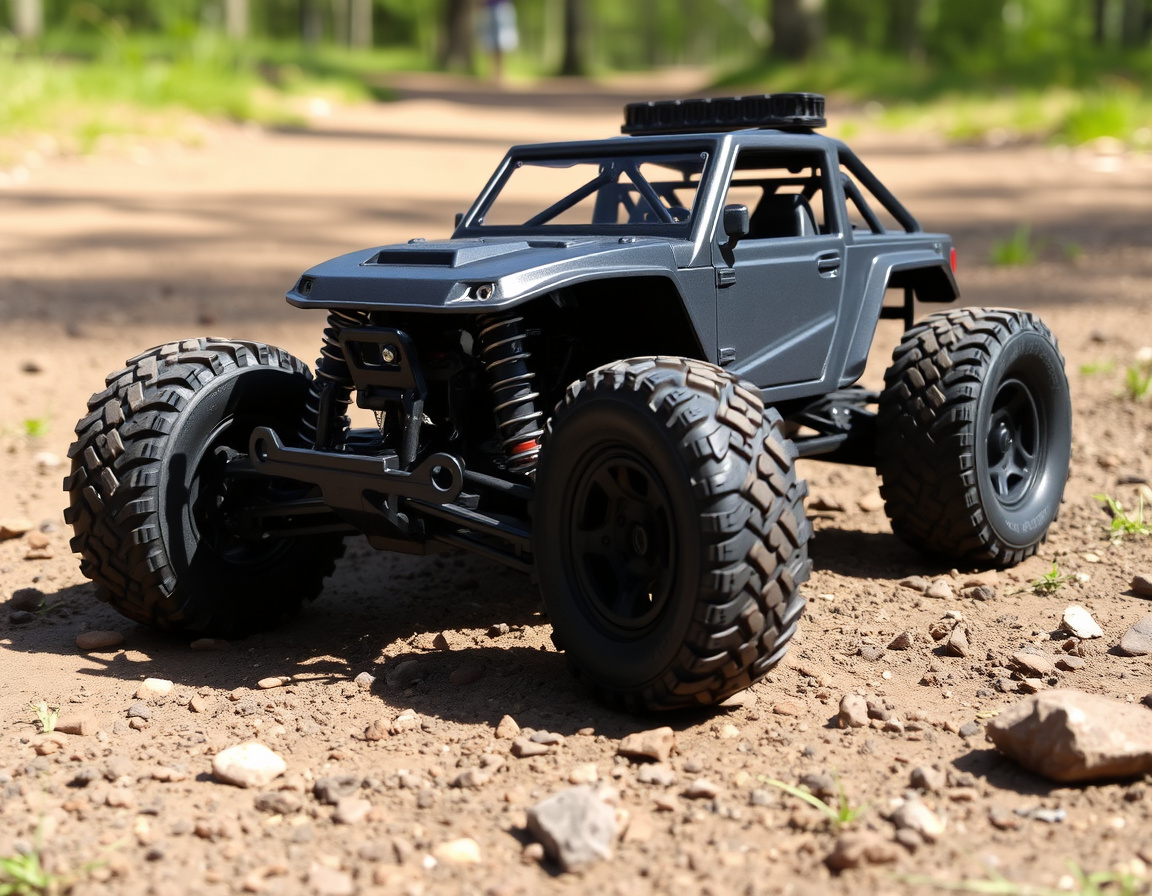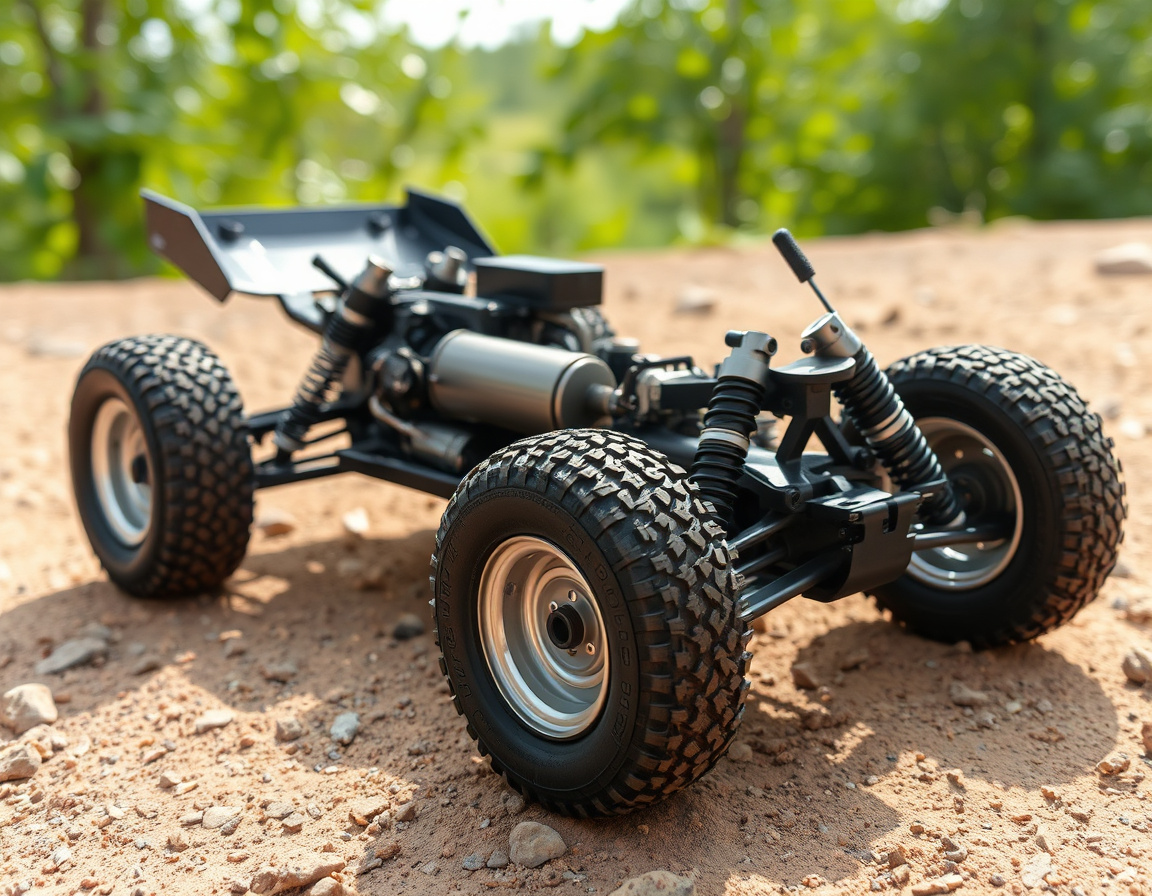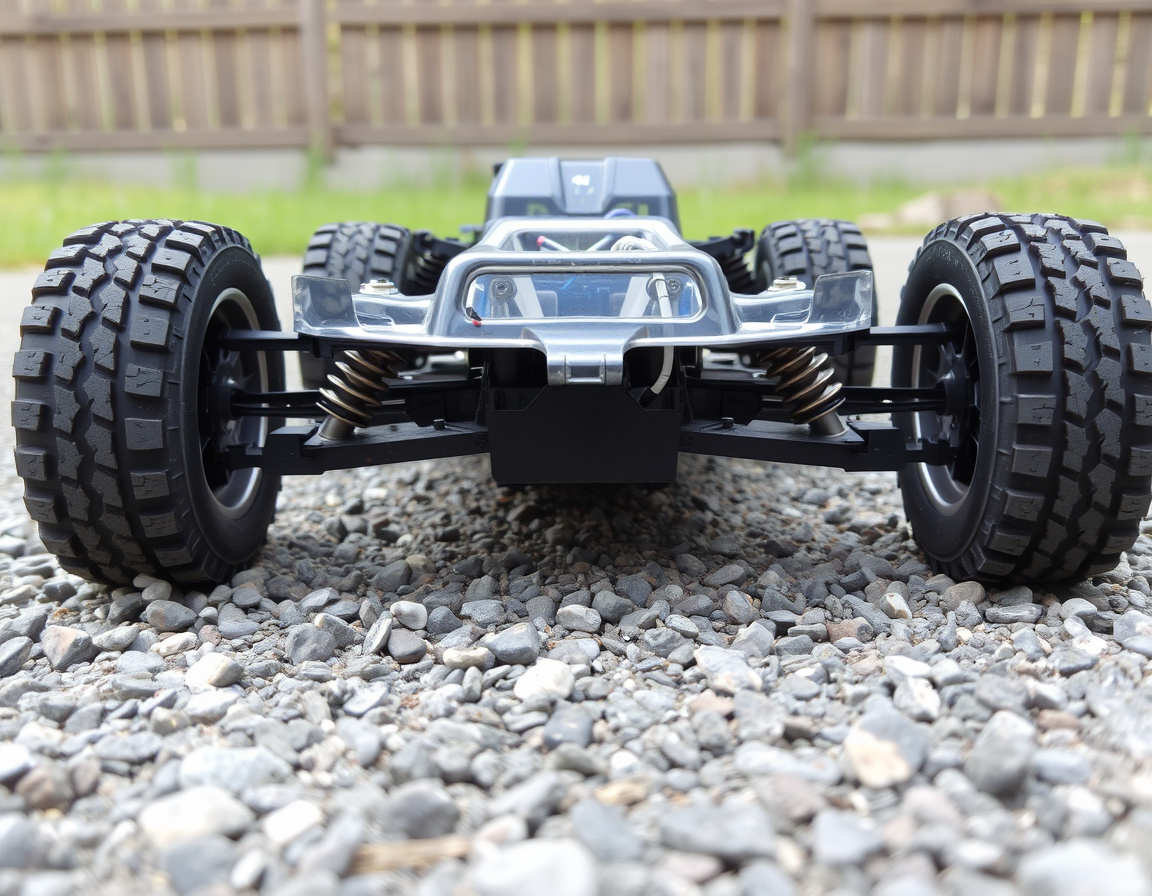
A "cheap RC cars 1/5 used" refers to large-scale radio-controlled vehicles, typically gas-powered, that are being sold second-hand at a lower price point within the RC hobby community.
Key Points
- Used 1/5 scale RC cars offer affordable entry into large-scale vehicles.
- These cars measure 30-40 inches and provide an authentic driving experience.
- The used market allows access to premium features at reduced prices.
- Many used cars include valuable upgrades for enhanced performance and durability.
- Factor in ongoing maintenance costs like fuel and replacement parts.
Why Used 1/5 Scale RC Cars Are the Gateway to Large-Scale RC Adventure
Used 1/5 scale RC cars represent one of the most exciting entry points into the world of large-scale radio controlled vehicles.
These impressive machines, typically measuring 30-40 inches in length, offer an authentic driving experience that smaller scales simply cannot match.
The popularity of used 1/5 scale models has surged as enthusiasts discover they can access premium features and robust construction at significantly reduced prices compared to buying new.
Whether you’re drawn to the realistic handling characteristics, the impressive speed capabilities, or the satisfying mechanical complexity, the used market provides an affordable pathway into this thrilling hobby segment.
The Hidden Advantage Most Buyers Don’t Know About Used 1/5 Scale Cars
Here’s something many newcomers don’t realize: used 1/5 scale RC cars often come with valuable upgrades and modifications that would cost hundreds of dollars if purchased separately.
Previous owners frequently invest in performance enhancements like upgraded suspension components, high-performance engines, or premium radio systems before selling their vehicles.
This means you’re not just buying a used car – you’re potentially acquiring a pre-modified platform with improvements that enhance durability, speed, and handling.
These hidden upgrades can represent significant added value that makes certain used models more attractive than their newer, stock counterparts.
The Maintenance Reality That Catches New Owners Off Guard
The biggest challenge facing 1/5 scale RC car owners is the substantial maintenance commitment these large-scale vehicles demand.
Unlike smaller RC cars that might run for months with minimal attention, 1/5 scale models require regular engine tuning, frequent cleaning due to their ground-hugging operation, and periodic replacement of wear components like clutches and air filters.
Many buyers underestimate the ongoing costs of consumables such as fuel, spark plugs, and replacement parts, which can add up quickly.
This maintenance intensity often leads owners to sell their vehicles when they realize the time and financial commitment required to keep these impressive machines running at peak performance.
Understanding the Investment: What Your Budget Should Expect
The used 1/5 scale RC car market offers options across a wide price spectrum, making it accessible to various budget levels.
Entry-level opportunities typically start in the low hundreds for older models or vehicles needing some refurbishment work.
The sweet spot for most buyers falls in the $400 to $800 range, where you’ll find well-maintained examples with good performance potential.
Premium used models, particularly competition-ready vehicles or those with extensive modifications, command prices upwards of $1,000 and can reach even higher for rare or exceptionally well-maintained examples.
Understanding these price tiers helps you align your expectations with your budget and intended use.
The Smart Buyer’s Secret to Maximizing Value
Before committing to any used 1/5 scale RC car, always request a compression test of the engine if it’s a gas-powered model.
This simple test reveals the internal condition of the engine and can save you from purchasing a vehicle that will require expensive engine work shortly after your purchase.
Many sellers focus on cosmetic condition and basic functionality, but engine compression tells the real story about long-term reliability and performance potential.
A healthy engine should show consistent compression readings, while low or uneven compression indicates internal wear that could lead to costly repairs or rebuilds in the near future.