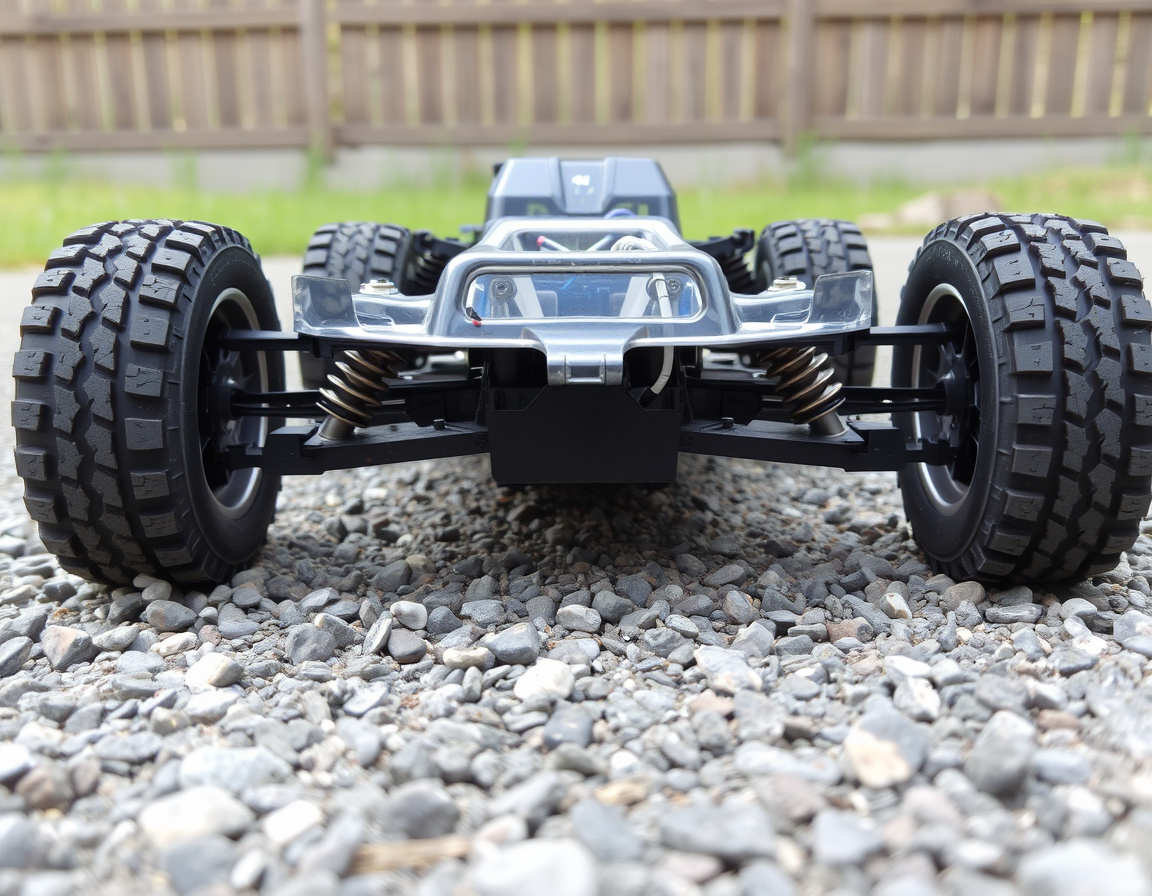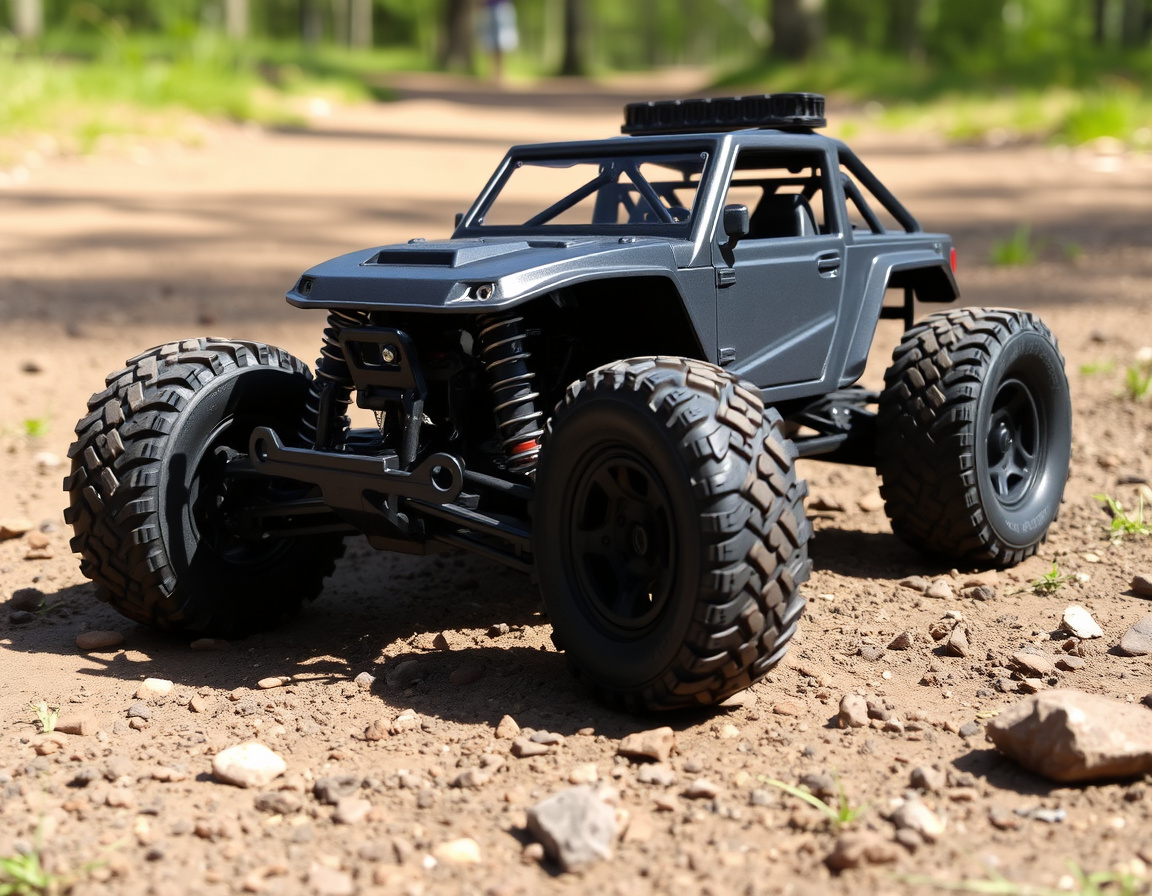
A 1/6 RC car is a large-scale radio-controlled vehicle, typically designed for off-road use and powerful performance, offering a highly immersive and realistic driving experience within the hobby.
Key Points
- 1/6 scale RC cars offer impressive size between 24-30 inches.
- They provide a balance of manageable operation and commanding presence.
- This scale allows for intricate detail and realistic vehicle dynamics.
- Expect to invest between $400-$700 for a quality 1/6 scale RC car.
- Research parts availability and manufacturers with good support networks.
Why 1/6 Scale RC Cars Command Attention in Today’s Market
1/6 scale RC cars represent one of the most impressive size categories in the radio controlled vehicle hobby, offering an ideal balance between manageable operation and commanding presence.
These vehicles typically measure between 24-30 inches in length, making them large enough to showcase intricate detail work and realistic proportions while remaining practical for most driving environments.
The popularity of 1/6 scale RC cars has surged due to their ability to deliver both visual impact and performance versatility, appealing to collectors who want display-worthy models and drivers seeking robust outdoor capability.
Their substantial size allows for more powerful motor systems, larger battery compartments, and enhanced suspension components that translate into superior handling and durability compared to smaller scale vehicles.
The Scale Advantage Most Buyers Never Consider
What many potential buyers don’t realize is that 1/6 scale RC cars offer the optimal power-to-weight ratio for battery efficiency in the large-scale category.
While smaller scales may seem more economical, and larger scales more impressive, 1/6 vehicles actually provide longer run times per battery charge due to their efficient use of larger, higher-capacity battery packs without the excessive weight penalties of 1/5 or 1/4 scale models.
This means you’ll spend more time driving and less time waiting for batteries to charge, a crucial factor that directly impacts your enjoyment and operating costs over time.
Additionally, the 1/6 scale strikes the perfect balance for realistic weight distribution, allowing for more authentic vehicle dynamics and handling characteristics that mirror full-size automobiles.
The Parts Availability Challenge That Catches New Owners Off Guard
When components break or wear out, owners often face longer wait times for parts shipments and significantly higher replacement costs, sometimes paying three to four times more for comparable components in smaller scales.
This parts scarcity can be particularly problematic for suspension components, body panels, and specialized electronics, as fewer manufacturers produce aftermarket options for the 1/6 scale market.
The frustration is compounded by the fact that these larger vehicles experience more stress during operation, potentially leading to more frequent maintenance needs just when parts are most difficult to source.
Investment Expectations for 1/6 Scale RC Vehicles
When budgeting for a 1/6 scale RC car, expect to invest between $200 for basic entry-level models up to $1,000 or more for high-performance ready-to-run vehicles, with premium specialized models easily exceeding $1,500.
The sweet spot for most buyers falls in the $400-$700 range, where you’ll find quality construction, reliable electronics, and good parts support without paying for ultra-premium features you may not utilize.
Budget an additional 20-30% of your initial purchase price for essential accessories like extra batteries, a quality charger, and basic maintenance tools.
Remember that 1/6 scale vehicles command higher prices due to their substantial material costs, more complex manufacturing requirements, and smaller production volumes compared to popular smaller scales.
The Pre-Purchase Research That Saves Hundreds of Dollars
Before making your purchase, research the specific parts ecosystem for your chosen model by checking multiple parts suppliers and noting the availability and pricing of commonly replaced components like shock absorbers, drive shafts, and electronic speed controllers.
This simple step can save you hundreds of dollars in future maintenance costs and prevent the frustration of owning a vehicle with poor parts support.
Focus on models from manufacturers with established dealer networks and active online communities, as these typically offer better long-term parts availability and technical support.
Additionally, consider purchasing a second battery pack and quality charger simultaneously with your vehicle, as this combination purchase often yields better pricing than buying these essential accessories separately later.