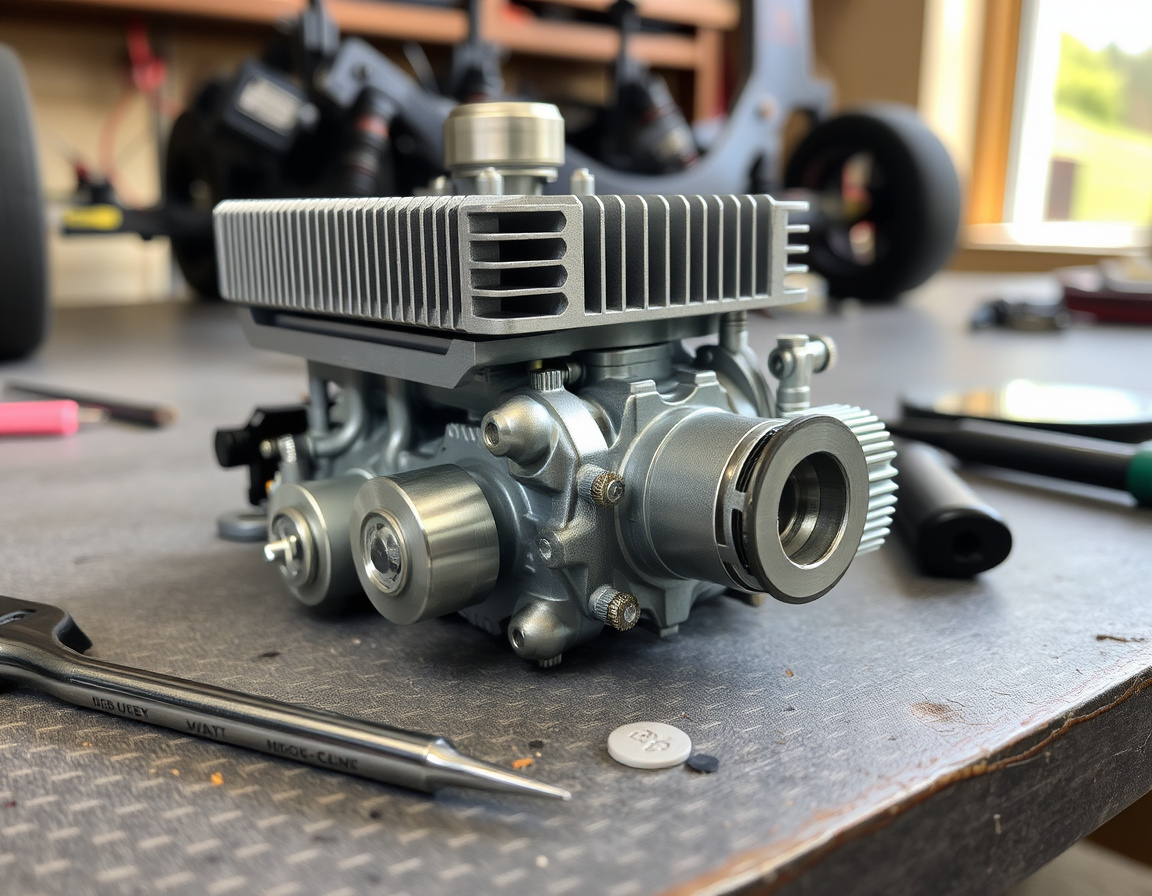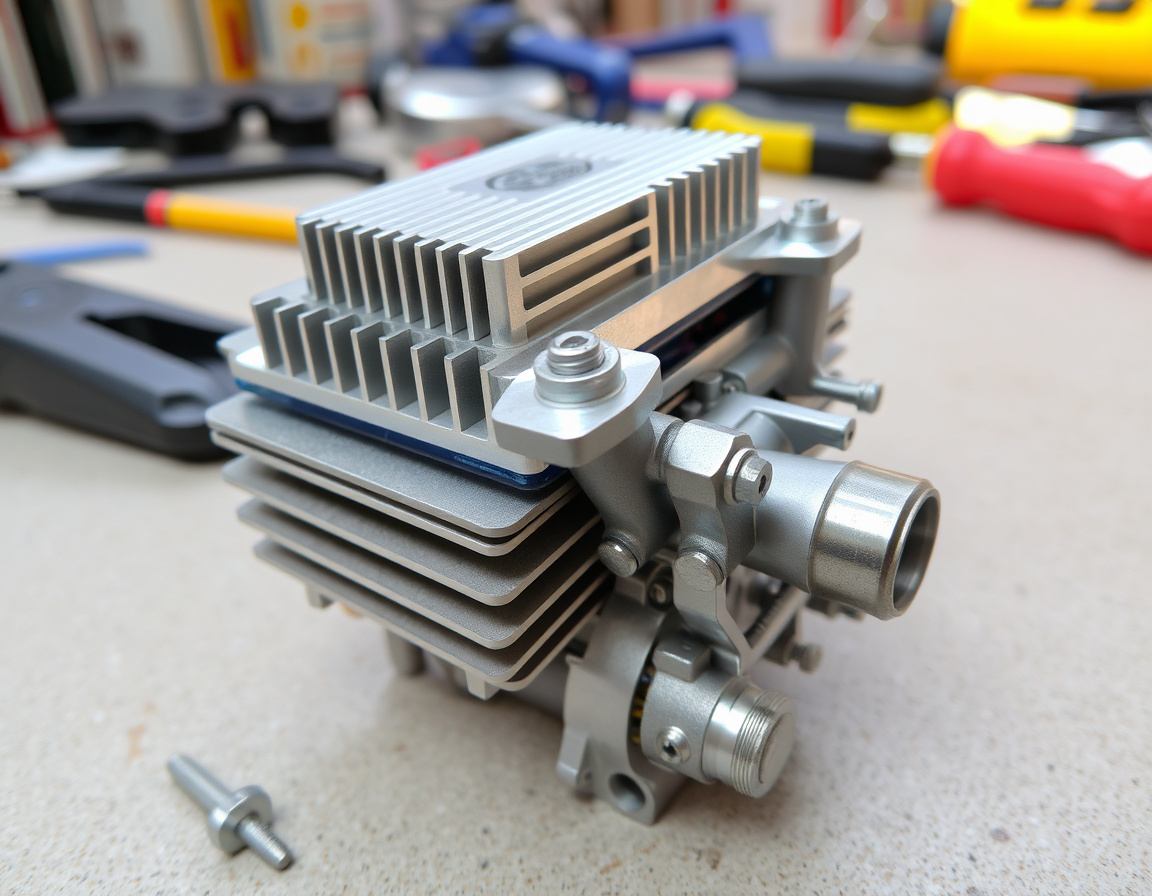
A .28 nitro engine is a popular choice for powerful radio-controlled vehicles, offering a significant displacement for increased torque and speed compared to smaller engines.
Key Points
- .28 Nitro engines offer a balance of power and control for RC enthusiasts.
- They provide more thrust than smaller engine options.
- Compression ratio affects power and fuel efficiency; 9:1-9.5:1 is optimal.
- Costs range from $70 for basic to $250+ for competition-grade engines.
- Ownership involves fuel, glow plugs, and proper break-in for longevity.
Why .28 Nitro Engines Are the Sweet Spot for Serious RC Enthusiasts
A .28 nitro engine represents the perfect balance of power, control, and versatility in the radio controlled world, making it one of the most sought-after displacement sizes among RC pilots and drivers.
These engines deliver significantly more thrust than smaller alternatives while remaining manageable for intermediate to advanced users, offering the exhilarating performance needed for aerobatic planes, scale aircraft, and high-speed racing applications.
The .28 cubic inch displacement provides enough torque for larger aircraft and demanding flight maneuvers while maintaining the precision throttle response that competitive pilots demand.
This engine size has become the go-to choice for those stepping up from trainer aircraft or seeking reliable power for weekend flying sessions and club competitions.
The Compression Ratio Secret That Separates Average from Exceptional Performance
What many RC enthusiasts don’t realize is that the compression ratio in .28 nitro engines can vary dramatically between manufacturers, often ranging from 8.5:1 to over 10:1, and this single specification can make or break your flying experience.
Higher compression ratios deliver more power and better fuel efficiency but require premium fuel blends and precise tuning, while lower compression engines are more forgiving but sacrifice peak performance.
The sweet spot for most applications sits around 9:1 to 9.5:1, providing excellent power delivery while maintaining reliability and easier starting characteristics.
Understanding this specification before purchasing can save you countless hours of frustration and ensure your engine matches your skill level and intended use.
The biggest shock for many .28 nitro engine buyers is discovering just how quickly these engines consume fuel during operation, often burning through a 16-ounce bottle in just 3-4 flights depending on throttle usage and flight style.
This reality means that what initially appears to be an affordable engine purchase quickly becomes an ongoing expense that can easily exceed the engine’s cost within the first few months of regular use.
Many newcomers underestimate the total cost of ownership, failing to budget for the premium nitro fuel, glow plugs, and after-run oil that these engines require for optimal performance and longevity.
The frustration is compounded when pilots realize their flying time is constantly limited by fuel capacity rather than battery life, leading to shorter, more expensive flying sessions.
Understanding the Investment: What Your Budget Should Expect
When shopping for a .28 nitro engine, expect to invest anywhere from $70 for basic entry-level models up to $250 or more for competition-grade powerplants with advanced features and premium construction.
The $90 to $150 range typically offers the best value for most enthusiasts, providing reliable performance with quality components that will deliver years of service when properly maintained.
Premium engines above $200 are generally reserved for serious competitors who need every advantage in power-to-weight ratios, throttle response, and consistent performance under demanding conditions.
Remember that the engine cost is just the beginning – factor in an additional $50-100 for necessary accessories like glow plugs, fuel tubing, engine mounts, and break-in supplies to determine your true initial investment.
The Break-In Protocol That Will Double Your Engine’s Lifespan
Most engine failures occur within the first few hours of operation due to rushed break-in procedures that don’t allow the internal components to properly mate and seal.
Run your first five tanks at no more than half throttle with an extra-rich needle setting, gradually leaning the mixture and increasing throttle range with each subsequent tank.
This patience during the initial break-in period will reward you with better compression, improved fuel efficiency, and dramatically reduced wear on critical internal components like the piston and cylinder sleeve.