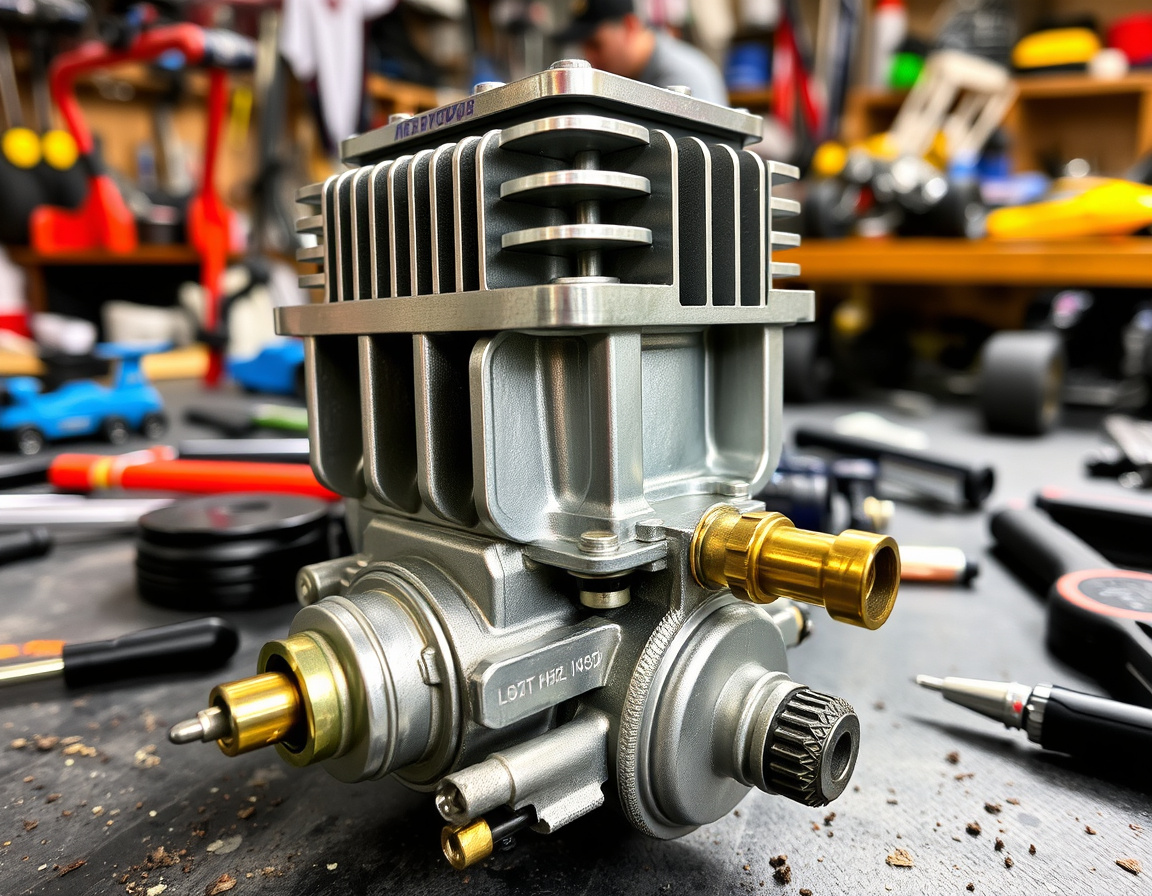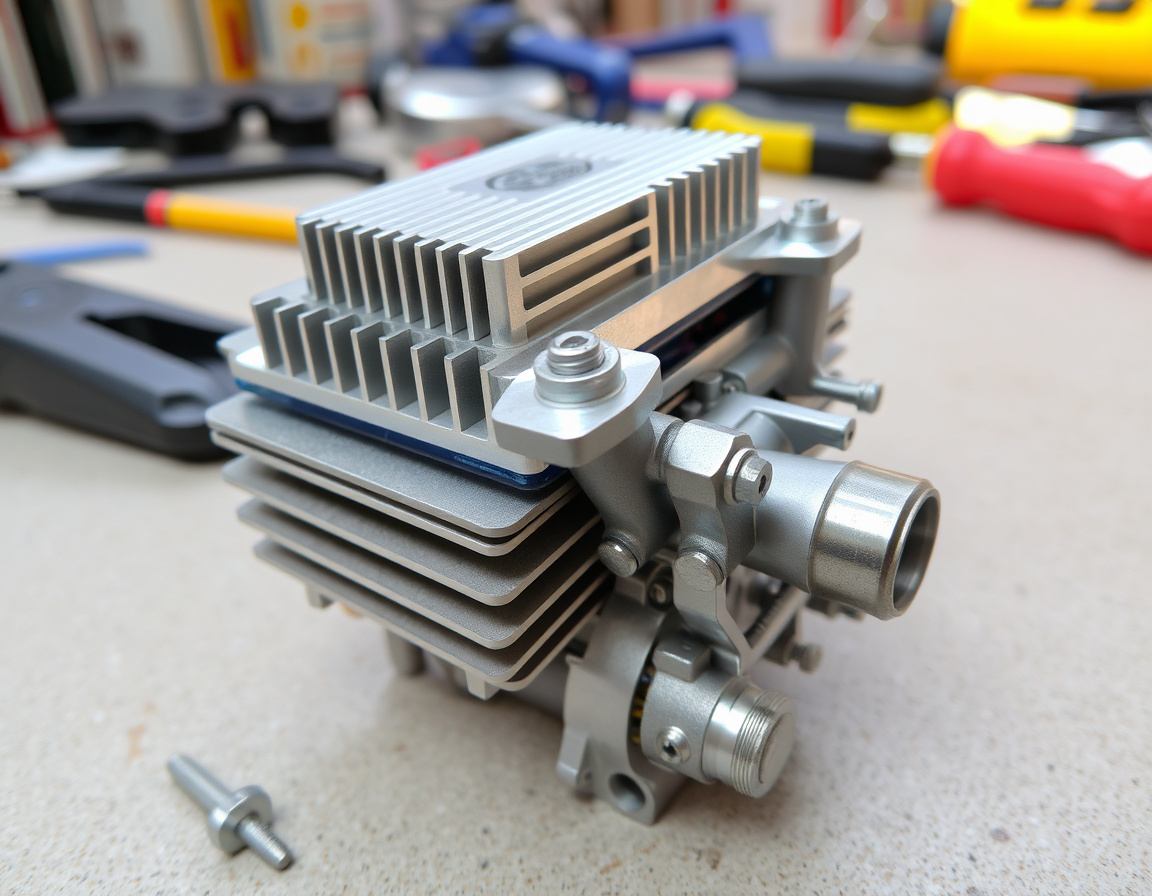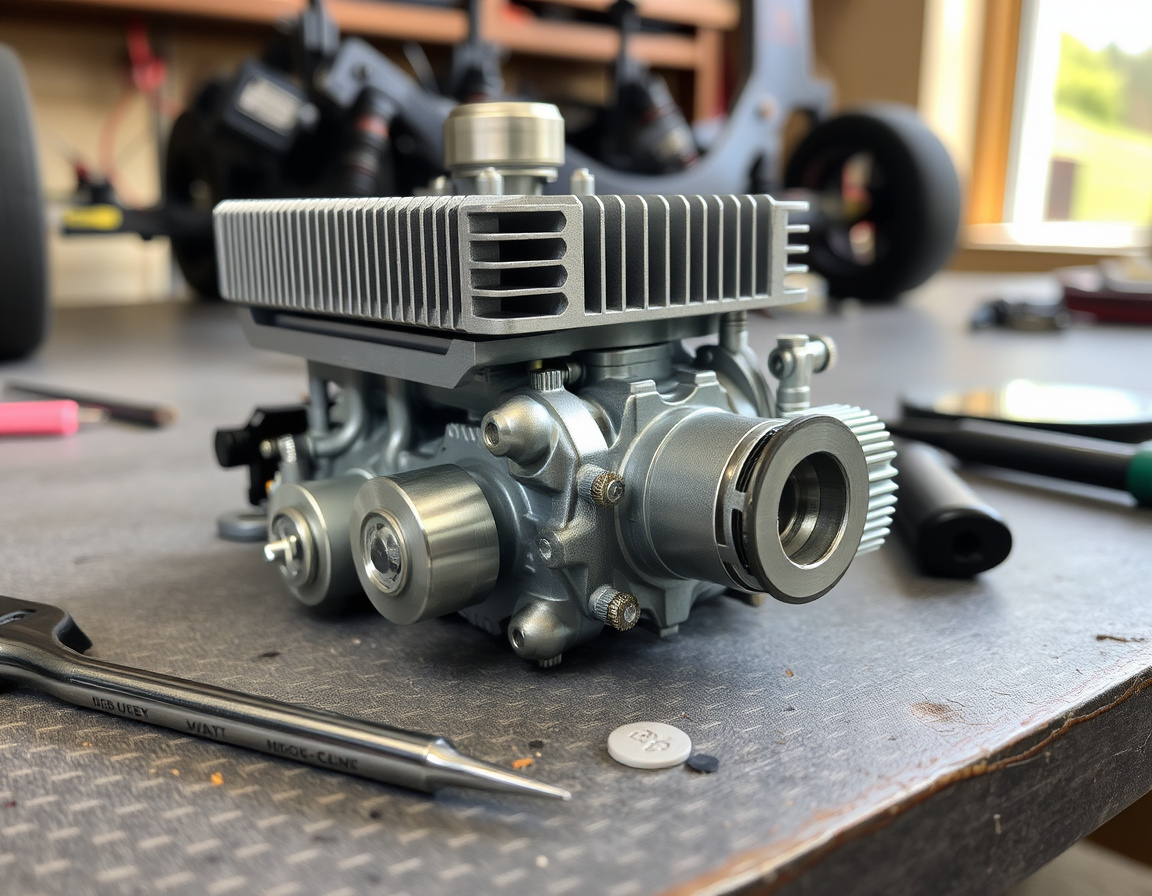
A 21 nitro engine is a popular choice for powering radio-controlled vehicles, offering a compelling balance of power, reliability, and availability for enthusiasts.
Key Points
- .21 nitro engines are 3.5cc two-stroke powerhouses for RC vehicles.
- Proper break-in unlocks 15-20% more power and ensures longevity.
- Tuning nitro engines requires precise needle adjustments for optimal performance.
- Prices range from $70 for beginners to $350 for competitive models.
- Sleeve-type engines offer better long-term value through rebuildable parts.
The Power Behind RC Performance: Why 21 Nitro Engines Dominate the Market
A 21 nitro engine is a .21 cubic inch (3.5cc) two-stroke glow engine that serves as the heart of countless radio controlled cars, trucks, and boats.
These engines have earned their reputation as the sweet spot for RC enthusiasts because they deliver an exceptional balance of power, reliability, and affordability that appeals to both beginners and experienced hobbyists.
The 21-size engine provides enough torque to handle everything from casual backyard bashing to competitive racing, while remaining manageable for those new to nitro-powered vehicles.
Their widespread adoption has created a robust aftermarket support system, ensuring that parts, upgrades, and tuning accessories are readily available when you need them.
The Surprising Truth About Break-In Periods That Most Buyers Overlook
Most RC enthusiasts don’t realize that a properly broken-in 21 nitro engine can gain 15-20% more power and significantly extended lifespan compared to one that’s rushed into service.
The break-in process involves gradually increasing RPM over the first several tanks of fuel while running a richer fuel mixture, allowing the piston and sleeve to wear together perfectly.
This critical period creates the optimal compression seal that determines whether your engine will deliver peak performance for hundreds of runs or struggle with poor compression and premature wear.
Skipping or rushing this process is the primary reason why many buyers end up disappointed with their engine’s performance and longevity, making patience during break-in one of the most valuable investments you can make.
The Tuning Challenge That Drives Most Owners to Frustration
The biggest headache facing 21 nitro engine owners is achieving consistent, reliable tuning across different weather conditions and fuel brands.
These engines require precise adjustments to the high-speed and low-speed needle valves, and what works perfectly on a cool morning can result in a lean seizure on a hot afternoon.
Environmental factors like temperature, humidity, and altitude all affect the air-fuel mixture, forcing owners to constantly readjust their settings or risk engine damage.
This tuning sensitivity often catches new nitro users off guard, leading to costly repairs when engines run too lean, or poor performance when they’re too rich, creating an ongoing maintenance cycle that some find overwhelming.
Understanding the Investment: What Your Budget Should Expect
When shopping for a 21 nitro engine, expect to invest between $70 and $350 depending on your performance requirements and intended use.
Entry-level engines in the $70-$120 range offer solid reliability for casual running and learning, while mid-range options from $120-$200 provide better materials and tighter tolerances for improved performance and durability.
Premium and competition-grade engines commanding $200-$350 feature advanced port timing, precision manufacturing, and high-end materials that deliver maximum power and longevity.
The higher price point typically translates to easier starting, more consistent performance, and reduced maintenance requirements, making them worthwhile investments for serious enthusiasts who prioritize reliability and peak performance.
Pro Tip: The One Purchase Decision That Saves Money Long-Term
Invest in an engine with a replaceable sleeve rather than a chrome-bore cylinder, even if it costs slightly more upfront.
Replaceable sleeve engines allow you to rebuild the powerplant for a fraction of the replacement cost when wear eventually occurs, typically extending the engine’s useful life by several years.
When the piston and sleeve finally wear out from normal use, you can install a new piston-sleeve combination for around $25-$40, essentially giving you a fresh engine at minimal cost.
Chrome-bore engines, while initially less expensive, require complete replacement when worn since the cylinder cannot be rebuilt, making the sleeve-type engine a significantly better long-term value despite the higher initial investment.