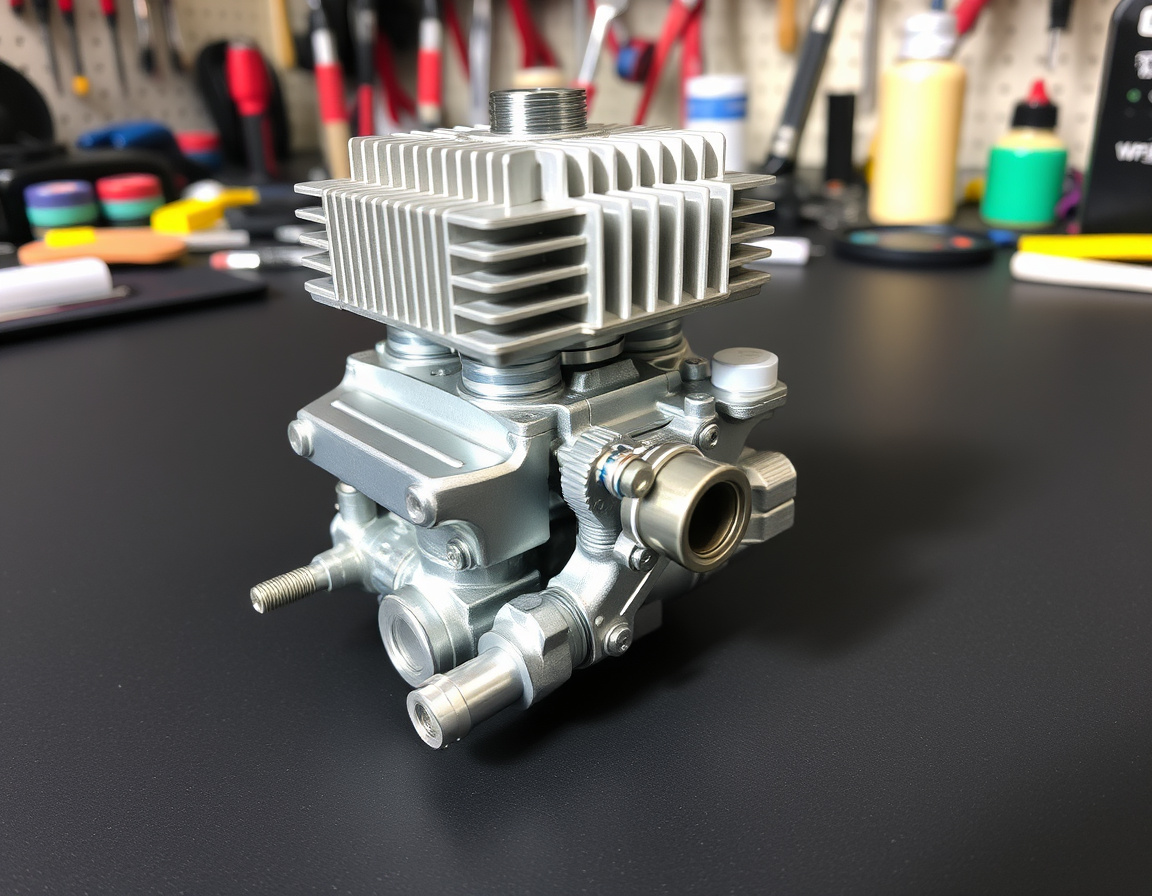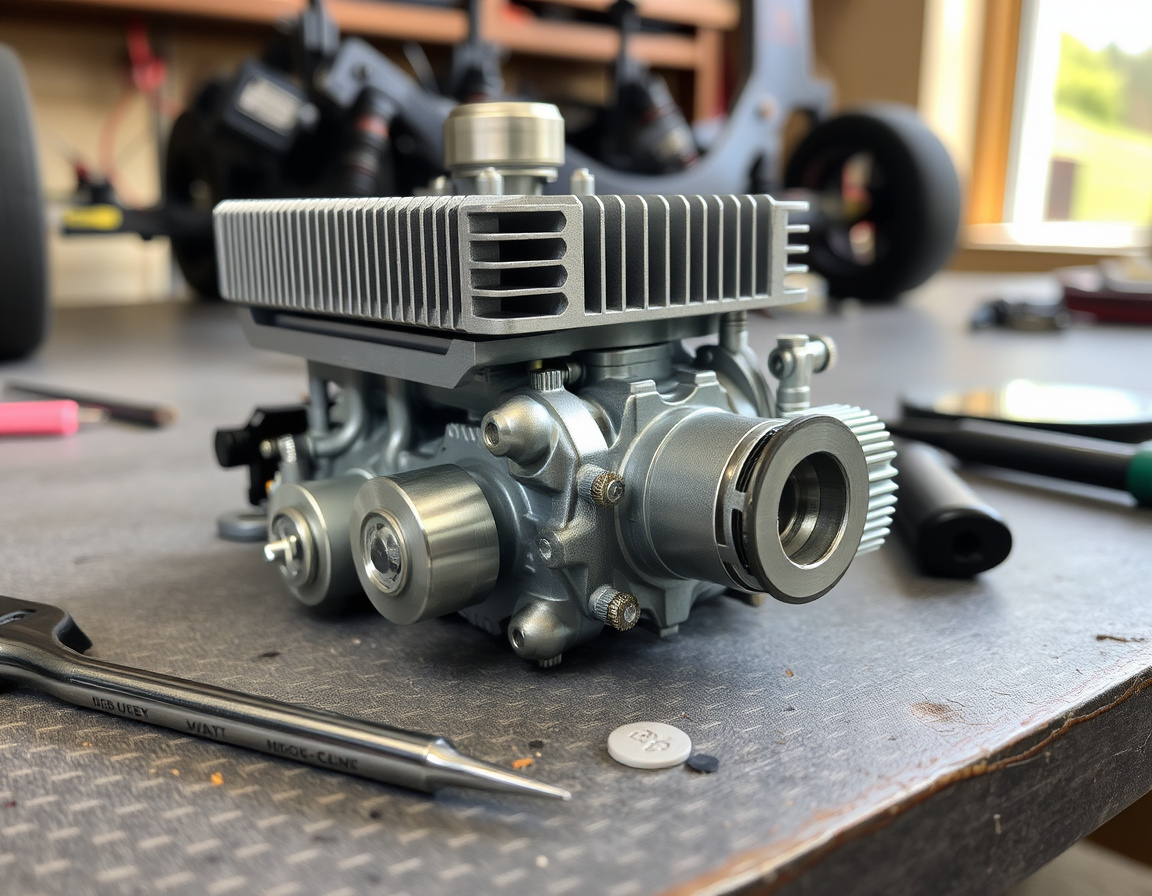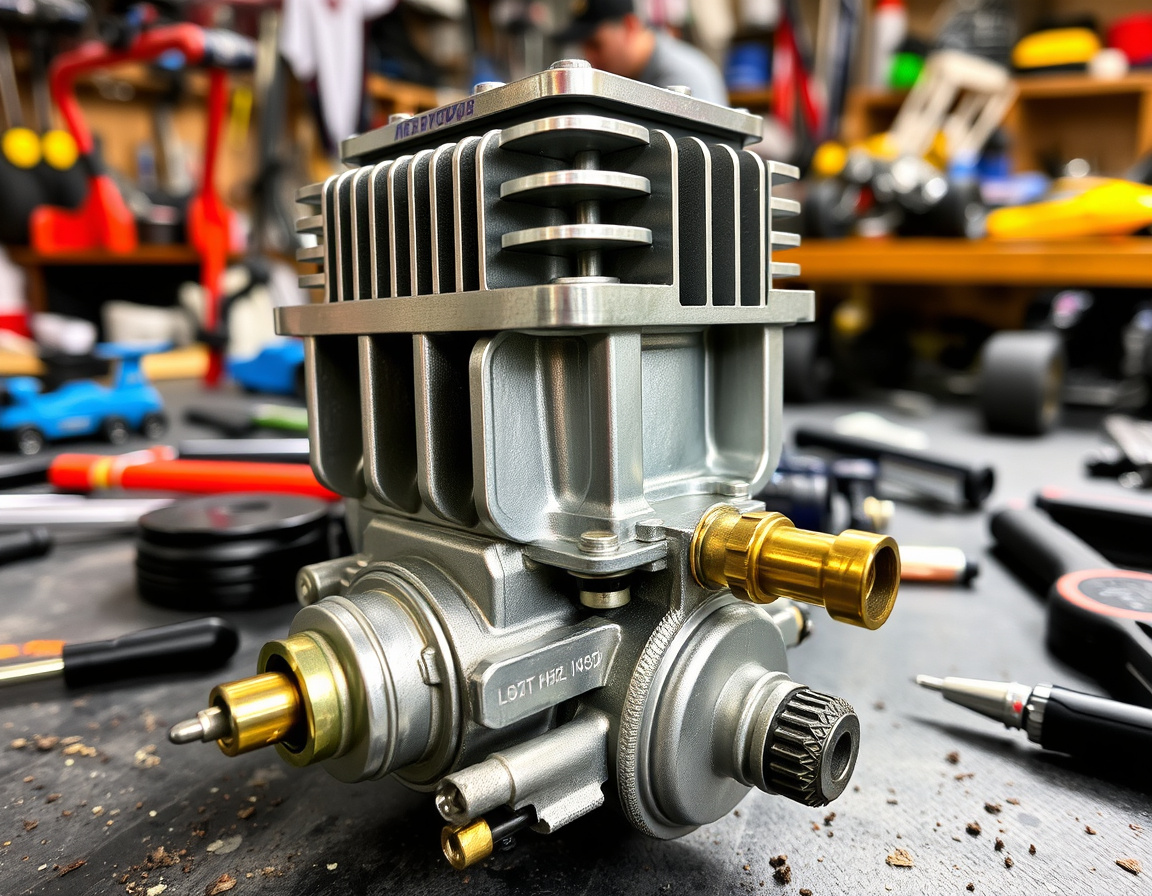
The .18 Nitro Engine is a potent internal combustion engine commonly used to power nitro-fueled radio-controlled vehicles like cars and trucks, delivering exciting speed and power.
Key Points
- OS .18 nitro engines offer mid-displacement power for RC aircraft and cars.
- They are known for a great power-to-weight ratio and reliability.
- Proper break-in is crucial for the OS .18's performance and longevity.
- Engine performance improves significantly with initial usage hours.
- High-quality fuel and consistent tuning are essential for optimal operation.
OS .18 Nitro Engines: The Powerhouse Choice for Serious RC Enthusiasts
OS .18 nitro engines represent the gold standard for mid-displacement radio controlled aircraft and car applications, delivering exceptional power-to-weight ratios that have made them a favorite among competitive pilots and weekend warriors alike.
These Japanese-engineered engines are specifically designed for aircraft weighing between 3-6 pounds and cars requiring moderate power output, offering the perfect balance of performance and reliability that keeps enthusiasts coming back for more.
The .18 cubic inch displacement provides enough torque for aerobatic maneuvers while maintaining the fuel efficiency needed for extended flight times.
Their reputation for consistent starts, smooth operation, and long-term durability has created a dedicated following that spans decades of RC evolution.
The Break-In Secret That Transforms Your Engine’s Lifespan
Most RC pilots don’t realize that OS .18 engines achieve their legendary reliability through a unique sleeve-and-piston manufacturing process that requires specific break-in procedures to reach optimal performance.
Unlike many competitors that use chrome-plated cylinders, OS engines feature a ringed aluminum piston running in a steel sleeve with a specialized coating that actually improves with proper break-in cycling.
The engine’s compression and power output will continue to increase for the first 5-10 hours of operation when broken in correctly, with many experienced pilots reporting that their OS .18 engines actually perform better after 50+ hours than when brand new.
This manufacturing approach explains why used OS engines in good condition often command premium prices and why proper break-in techniques can add years to your engine’s competitive lifespan.
The Carburetor Tuning Challenge That Stumps Even Experienced Pilots
Many pilots struggle with the interdependent relationship between the high-speed needle, low-speed needle, and idle mixture settings, leading to engines that run perfectly one day but refuse to maintain consistent performance the next.
Temperature changes, altitude variations, and even humidity levels can throw off a perfectly tuned engine, forcing pilots to constantly readjust their settings or risk poor performance, difficult starts, or engine damage from running too lean.
This tuning complexity often drives pilots to seek professional help or invest in additional tuning tools and accessories to achieve the consistent performance these engines are capable of delivering.
Understanding the Investment: What You’ll Pay for Proven Performance
Expect to invest between $100 and $250 for an OS .18 nitro engine, with pricing typically reflecting the specific model variant, included accessories, and performance features you’re getting.
Entry-level models around the $100-130 range offer solid reliability for sport flying and basic applications, while premium versions approaching $250 include advanced features like ball bearings, upgraded carburetors, and specialized porting for competition use.
The sweet spot for most enthusiasts falls in the $150-180 range, where you’ll find engines with excellent build quality, proven reliability, and performance capabilities that satisfy both casual flying and more demanding applications.
Given these engines’ reputation for longevity and strong resale value, even premium-priced models represent solid investments that can provide years of reliable service.
The Fuel Quality Secret That Prevents Expensive Repairs
Invest in high-quality synthetic nitro fuel with the proper oil content and avoid the temptation to save money with bargain fuels that can destroy your OS .18 engine’s precision-machined components within hours of operation.
The synthetic oil content should be between 16-20% for optimal lubrication, with castor oil blends reserved for break-in periods only, as modern synthetic oils provide superior protection while preventing the carbon buildup that castor oils can create.
Always store your fuel in a cool, dark location and replace any fuel that’s been sitting for more than six months, as degraded fuel can cause lean running conditions that will seize your engine faster than any other single factor.
This simple fuel discipline will extend your engine’s life dramatically and prevent costly rebuilds that often cost more than half the price of a new engine.