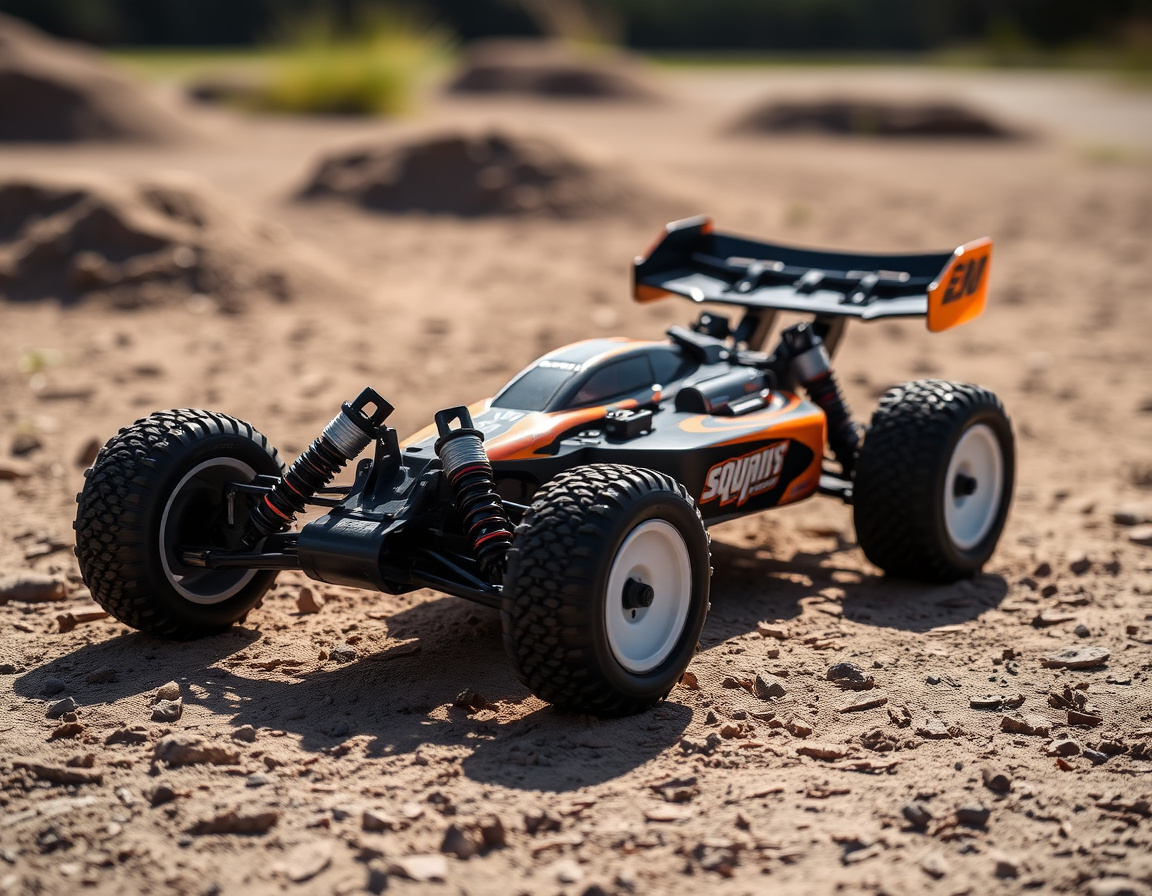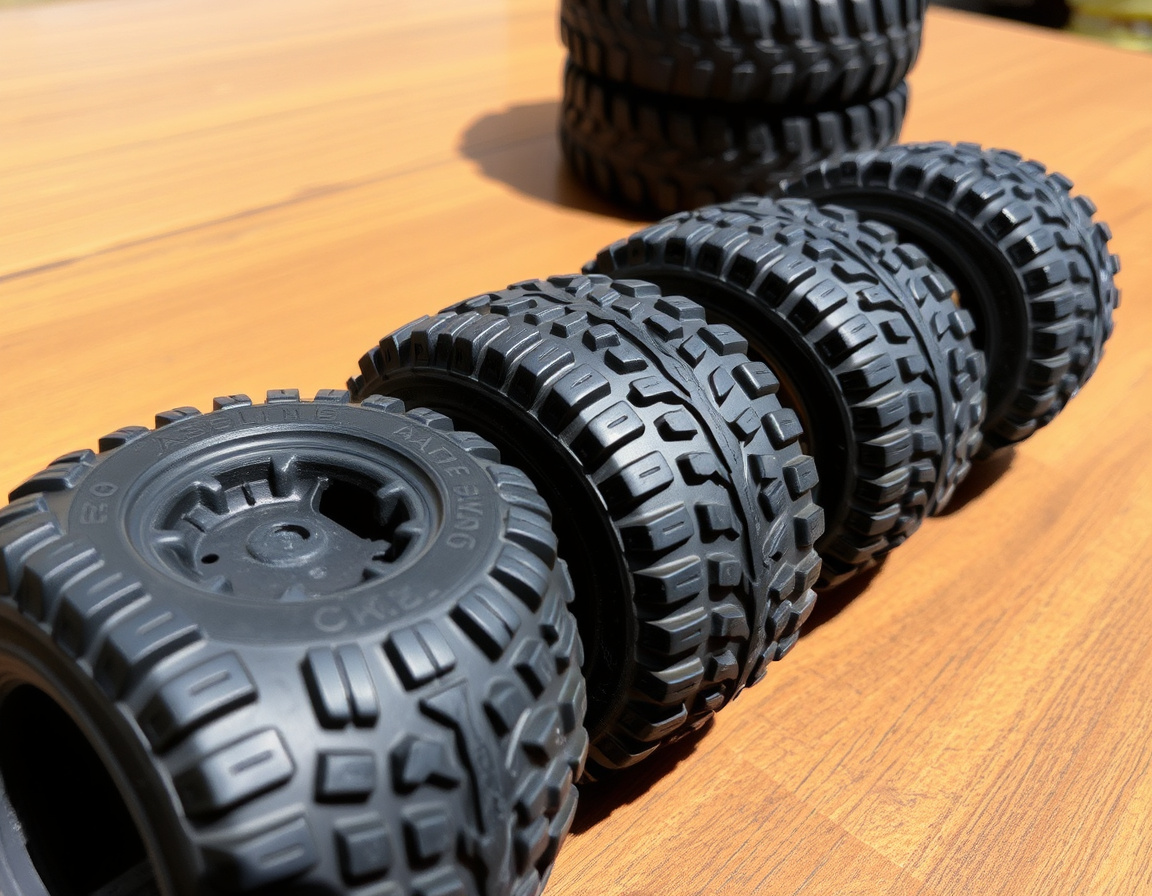
1/18 RC tires are scaled-down versions of real off-road tires specifically designed for 1:18 scale radio-controlled vehicles, offering optimized grip and performance for miniature rock crawlers, crawlers, and other off-road RC models.
Key Points
- 1/18 scale RC tires are for smaller RC vehicles.
- They offer impressive performance for hobbyists.
- Tire compound affects battery life and motor heat.
- Softer tires increase traction but drain batteries faster.
- Rotating tires extends their lifespan, especially in the rear.
1/18 Scale RC Tires: Essential Components for Optimal Performance
1/18 scale RC tires are specialized rubber components designed for smaller remote control vehicles, typically measuring around 12-15 inches in overall length.
These tires have gained significant popularity among RC enthusiasts because they offer an excellent entry point into the hobby while still providing impressive performance capabilities.
The compact size makes them perfect for indoor racing, backyard bashing, and detailed scale modeling, while their affordability allows hobbyists to experiment with different tread patterns and compounds without breaking the bank.
The growing demand for 1/18 scale vehicles has created a robust market for replacement and upgrade tires, as these smaller models offer the same excitement and customization potential as their larger counterparts.
The Hidden Impact of Tire Compound on Your RC’s Battery Life
Most RC enthusiasts don’t realize that the rubber compound of their 1/18 scale tires directly affects their vehicle’s battery life and motor temperature.
Softer compound tires provide better traction but create more rolling resistance, forcing the motor to work harder and drain the battery faster.
Conversely, harder compound tires reduce friction and heat buildup, allowing for longer run times but potentially sacrificing grip on certain surfaces.
This relationship between tire hardness and power consumption can mean the difference between a 10-minute run and a 15-minute session, making tire selection a crucial factor for maximizing your RC experience.
Why 1/18 Scale Tires Wear Out Faster Than Expected
The most common frustration among 1/18 scale RC owners is the surprisingly rapid tire wear, especially on the rear wheels.
Due to the smaller contact patch and higher ground pressure compared to larger scale vehicles, these tires experience more concentrated stress during acceleration and cornering.
The lightweight nature of 1/18 scale vehicles also means they’re often driven more aggressively, with frequent spinning, jumping, and sliding maneuvers that accelerate tire degradation.
Additionally, the smaller tire size means there’s less rubber material to begin with, so normal wear becomes noticeable much sooner than with larger scale tires.
Smart Budgeting for 1/18 Scale Tire Purchases
When shopping for 1/18 scale RC tires, expect to spend between $8 to $30 for a complete set of four tires.
Basic replacement tires suitable for general use typically fall in the $8-15 range, offering decent performance for casual driving and entry-level applications.
Mid-range options in the $15-25 category often feature specialized tread patterns for specific terrains and improved rubber compounds for better durability.
Premium tires commanding $25-30 usually incorporate advanced materials, unique tread designs for competitive racing, or specialty compounds optimized for specific surface conditions, making them worthwhile investments for serious enthusiasts seeking maximum performance.
The Money-Saving Tire Rotation Strategy Most RC Owners Ignore
Here’s a simple trick that can double your tire life: regularly rotate your 1/18 scale tires from front to rear every few battery packs.
Since these small RC vehicles typically experience more wear on the rear tires due to acceleration forces, swapping the front and rear tires helps distribute wear evenly across all four tires.
This practice is especially effective because front tires on 1/18 scale vehicles often retain 70-80% of their tread when rear tires are completely worn out.
By implementing this rotation schedule, you’ll need to replace complete sets less frequently and avoid the performance imbalance that comes with mixing new and worn tires.