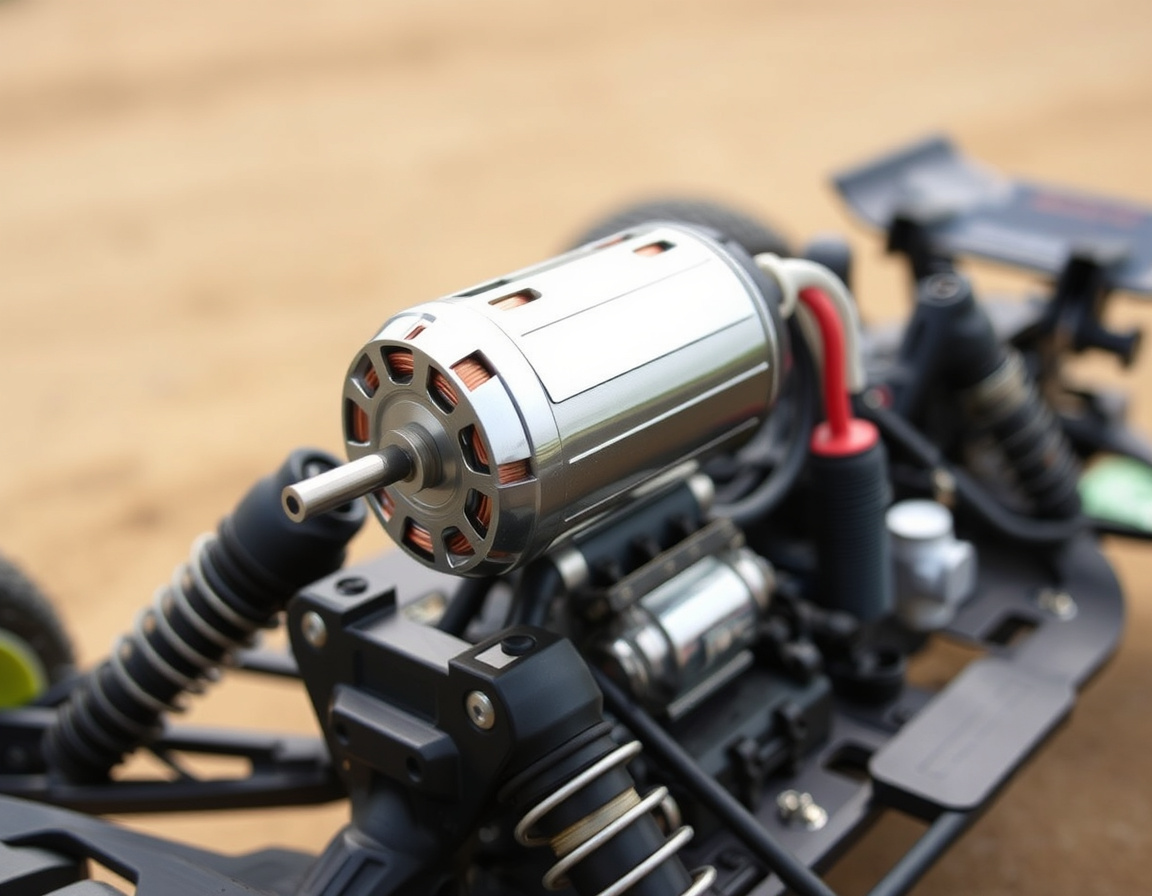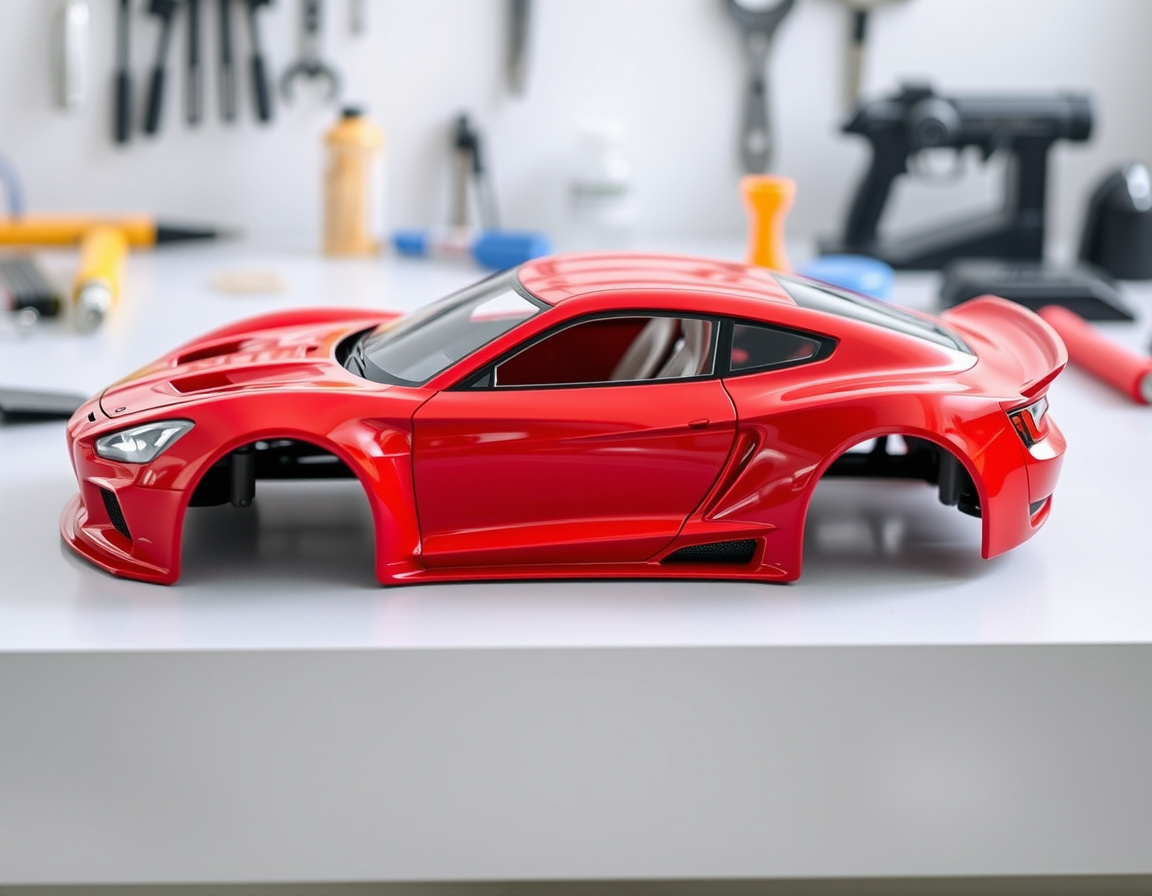
A 1:18 RC body shell is the realistic outer casing for a 1:18 scale radio-controlled car, designed to mimic the appearance of its full-sized counterpart and is a key component for customizing the look and feel of your RC vehicle.
Key Points
- 1:18 body shells protect RC cars and enhance aerodynamics.
- They are popular for their balance of realism and manageable size.
- Thicker Lexan (1mm) offers better impact resistance and durability.
- Thicker shells reduce flex, improving cornering and aerodynamics.
- Painting clear shells inside-out saves money and improves paint durability.
Why 1:18 RC Body Shells Are the Go-To Choice for Scale Racing Enthusiasts
A 1:18 RC body shell is the protective outer covering that gives your radio controlled car its appearance and aerodynamic properties, specifically designed to fit 1:18 scale chassis platforms.
This scale has exploded in popularity among both beginners and experienced hobbyists because it offers the perfect balance between detailed realism and manageable size, making it ideal for indoor racing, backyard bashing, and detailed scale builds.
The 1:18 scale provides enough room for intricate details while remaining compact enough for apartment living and easy transport.
These body shells serve dual purposes: protecting your valuable electronics from damage during crashes while giving your RC car the authentic look of real-world vehicles ranging from classic muscle cars to modern supercars.
The Hidden Impact of Lexan Thickness on Performance
Most buyers don’t realize that the thickness of polycarbonate (Lexan) body shells directly affects both durability and performance characteristics of their 1:18 RC cars.
Standard shells typically use 0.75mm thick material, but premium options often feature 1mm thickness, which provides significantly better impact resistance during high-speed collisions with walls or other cars.
However, here’s the surprising part: thicker shells can actually improve cornering performance by reducing body flex during aggressive turns, which helps maintain consistent aerodynamics and prevents the body from interfering with suspension movement.
This technical detail explains why experienced racers often invest in higher-quality shells even when cheaper options appear identical at first glance.
The Dreaded Paint Separation Problem That Ruins Your Investment
The most frustrating issue that plagues 1:18 RC body shell owners is paint separation and chipping, particularly around mounting posts and high-impact areas like the front and rear bumpers.
This problem occurs because many shells come pre-painted on the outside rather than inside, making the paint vulnerable to scratches, chips, and complete separation during normal use and crashes.
Unlike larger scale bodies that can withstand more abuse, the smaller 1:18 shells concentrate impact forces into smaller areas, causing paint to crack and peel away in unsightly patches that can’t be easily repaired.
This issue forces many enthusiasts to either accept a battle-worn appearance or frequently replace their shells, significantly increasing the long-term cost of maintaining an attractive RC car.
Budget Smart: Understanding 1:18 Body Shell Pricing Tiers
When shopping for 1:18 RC body shells, expect to invest between $15-$75 depending on the level of detail and finish quality you’re seeking.
Basic unpainted polycarbonate shells start around $15-$25 and offer excellent value for racers who plan to apply their own custom paint schemes or don’t mind a utilitarian appearance.
Mid-range options priced between $30-$50 typically feature factory paint jobs with decent detail work, making them perfect for casual drivers who want good looks without premium costs.
Premium shells commanding $60-$75 or more justify their price with superior paint quality, fine details like separate light lenses, and often officially licensed designs that perfectly replicate real vehicles.
Save Money by Buying Clear Shells and Painting Inside-Out
This approach not only saves you $20-$40 per shell compared to pre-painted versions, but actually produces more durable results since paint applied to the inside surface is protected from chips and scratches by the polycarbonate material itself.
Most hobby shops sell polycarbonate-specific paints that bond permanently to the plastic, and the technique is easier than most people assume—you simply mask and paint details first, then work toward base colors, all from the inside surface.
This method lets you create custom color schemes while ensuring your paint job will last significantly longer than any factory finish.