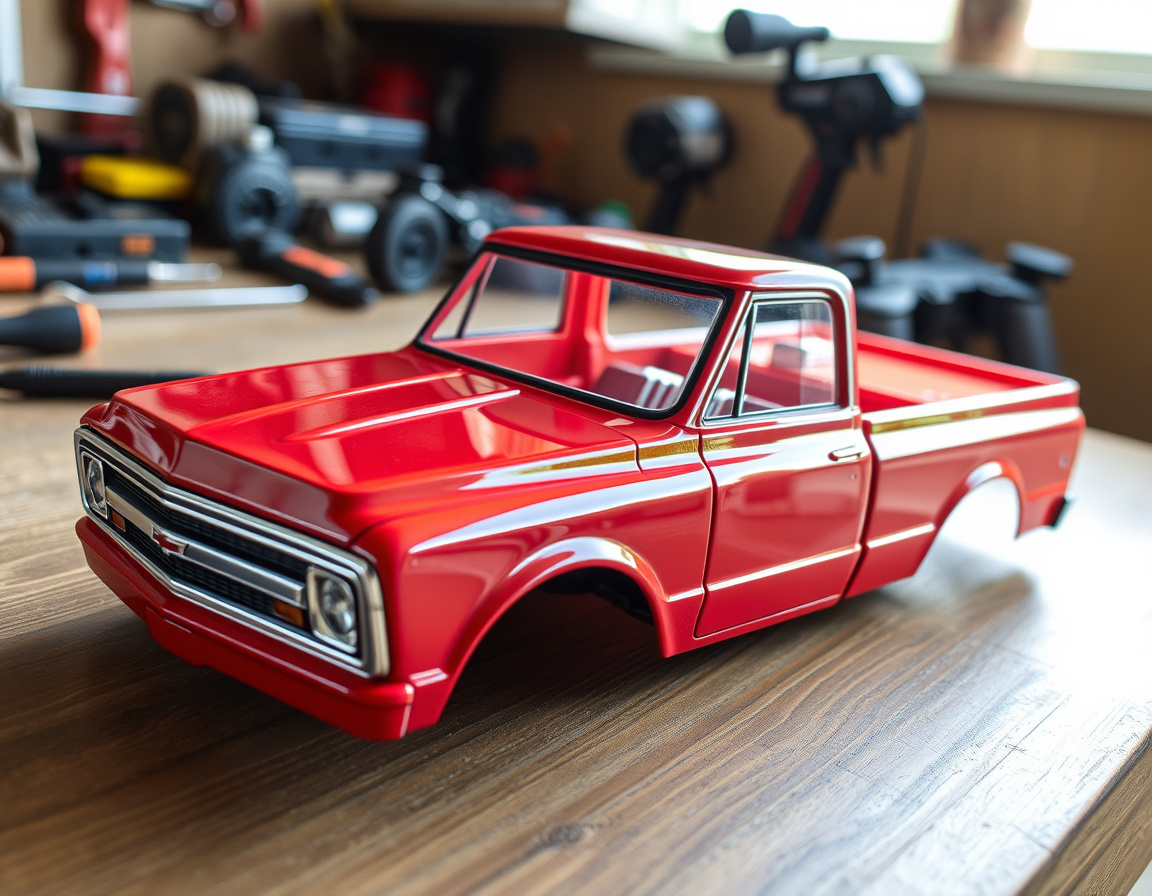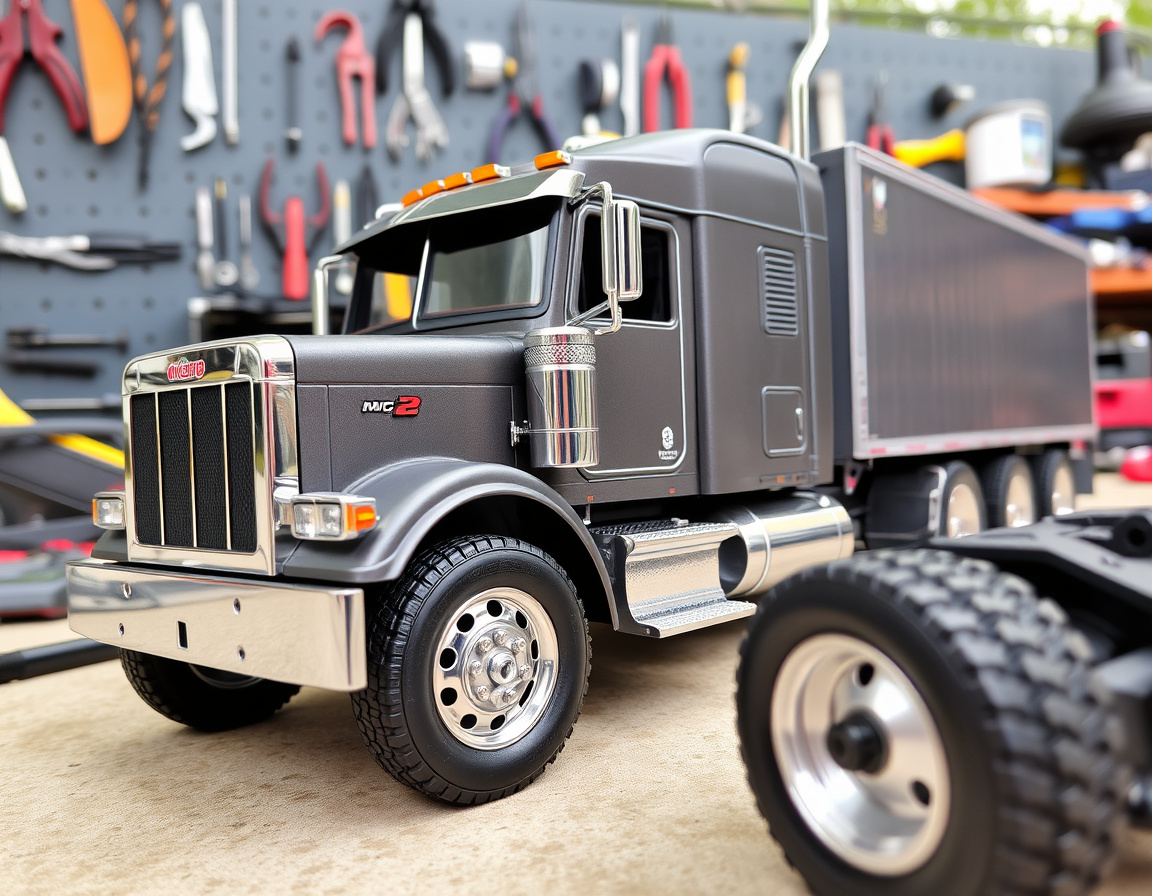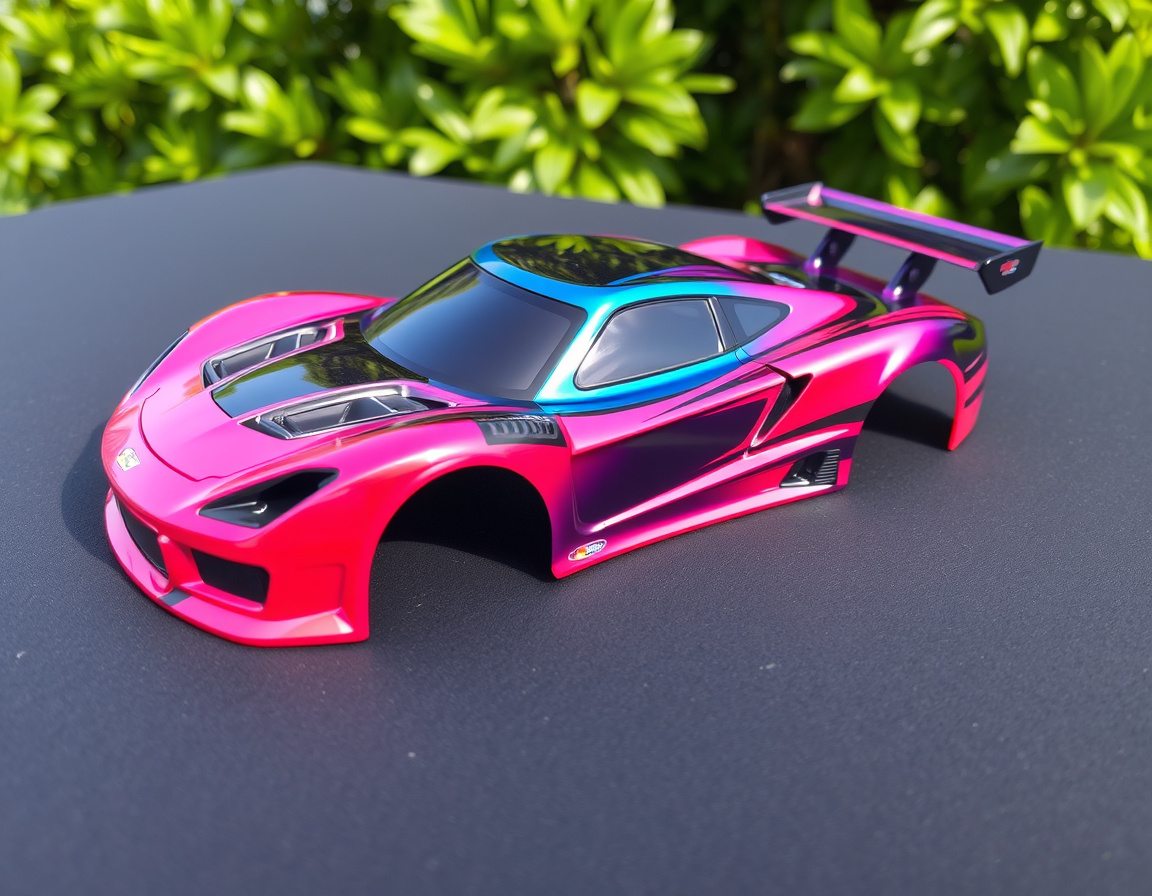
The 1/18 RC body is the scale replica of a real vehicle's exterior that attaches to a 1/18 scale remote control car chassis, defining its appearance and style for the hobbyist.
Key Points
- RC bodies provide distinctive appearance and protect components.
- They balance detailed realism with lightweight performance for RC cars.
- Body design impacts handling, downforce, and stability significantly.
- Thinner polycarbonate bodies can be prone to stress cracks.
- Prices range from $15 for basic shells to $50 for premium options.
Why 1/18 RC Bodies Are Essential for Every Micro RC Enthusiast
A 1/18 RC body is the outer shell that gives your micro radio controlled vehicle its distinctive appearance while protecting the internal components from damage during runs.
These scaled-down bodies have become increasingly popular among RC enthusiasts because they offer the perfect balance of detailed realism and durability in a compact size that’s ideal for indoor racing and backyard bashing.
The 1/18 scale allows for incredible detail reproduction of full-size vehicles while maintaining the lightweight characteristics needed for optimal performance.
Whether you’re looking to customize your ride’s appearance, replace a damaged shell, or simply want to switch up your vehicle’s style, a quality 1/18 RC body transforms both the look and aerodynamic performance of your micro RC car.
The Hidden Aerodynamic Advantage Most Buyers Overlook
What many RC enthusiasts don’t realize is that the body design significantly impacts your 1/18 vehicle’s handling characteristics, not just its appearance.
The subtle differences in roofline height, rear spoiler angle, and side window positioning can dramatically affect downforce and stability at higher speeds.
Professional RC racers often select bodies based on track conditions – choosing lower, more aerodynamic profiles for high-speed circuits and taller, more stable designs for technical courses with tight corners.
This aerodynamic functionality means that switching between different body styles can actually improve your vehicle’s performance in specific driving conditions, making additional bodies a performance upgrade rather than just a cosmetic change.
Why 1/18 RC Bodies Crack Under Pressure More Than You’d Expect
Due to the smaller scale, these bodies use thinner polycarbonate material that’s more susceptible to cracking from repeated impacts, temperature changes, and over-tightening of mounting screws.
The compact size also means there’s less material to distribute impact forces, making areas around the wheel wells and front bumper especially vulnerable to damage.
Many owners find themselves needing replacement bodies sooner than expected, especially if they enjoy aggressive driving or frequently run their vehicles in colder weather conditions.
Understanding the 1/18 RC Body Price Spectrum
When shopping for a 1/18 RC body, expect to invest between $15 to $50 depending on the quality level and features you’re seeking.
Basic unpainted polycarbonate shells typically fall in the $15-25 range and offer excellent value for those who enjoy custom painting projects or need simple replacement bodies.
Mid-range options around $25-35 usually include pre-applied decals and better molding detail, while premium bodies approaching $50 feature superior material thickness, highly detailed molding, and often come with premium graphics packages.
The higher-priced options generally offer better durability and more authentic scale details, making them worthwhile investments for serious enthusiasts who want their vehicles to look and perform their best.
The Smart Buyer’s Secret to Avoiding Costly Mounting Mistakes
Here’s a money-saving tip that experienced RC enthusiasts swear by: always test-fit your new 1/18 body before making any permanent modifications or removing protective film.
Many buyers rush to trim and mount their new body only to discover that minor adjustments to body post locations or wheelbase settings could have provided a much better fit.
Take time to position the body carefully, mark your cut lines with tape, and make small incremental cuts rather than aggressive trimming.
This patient approach prevents costly mistakes that could ruin an expensive body and ensures you achieve the perfect stance and clearance for your specific chassis setup.