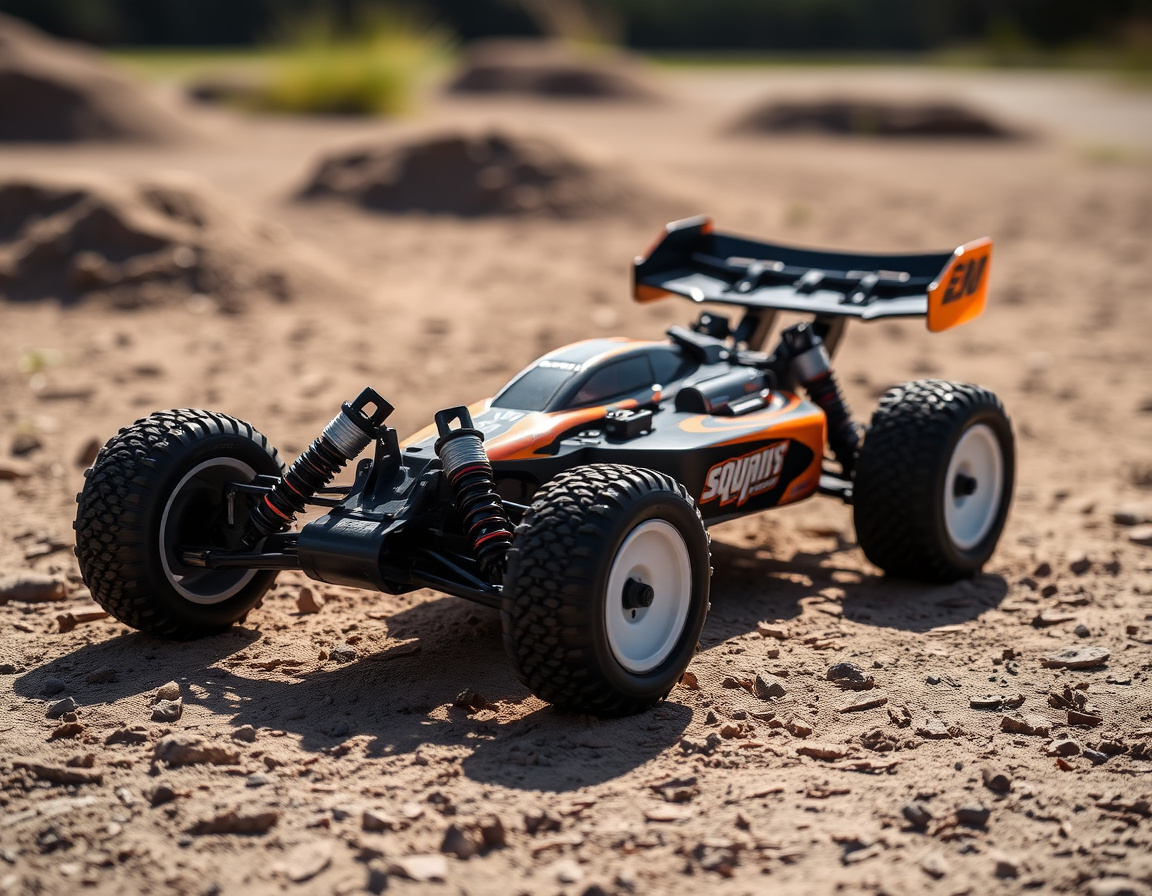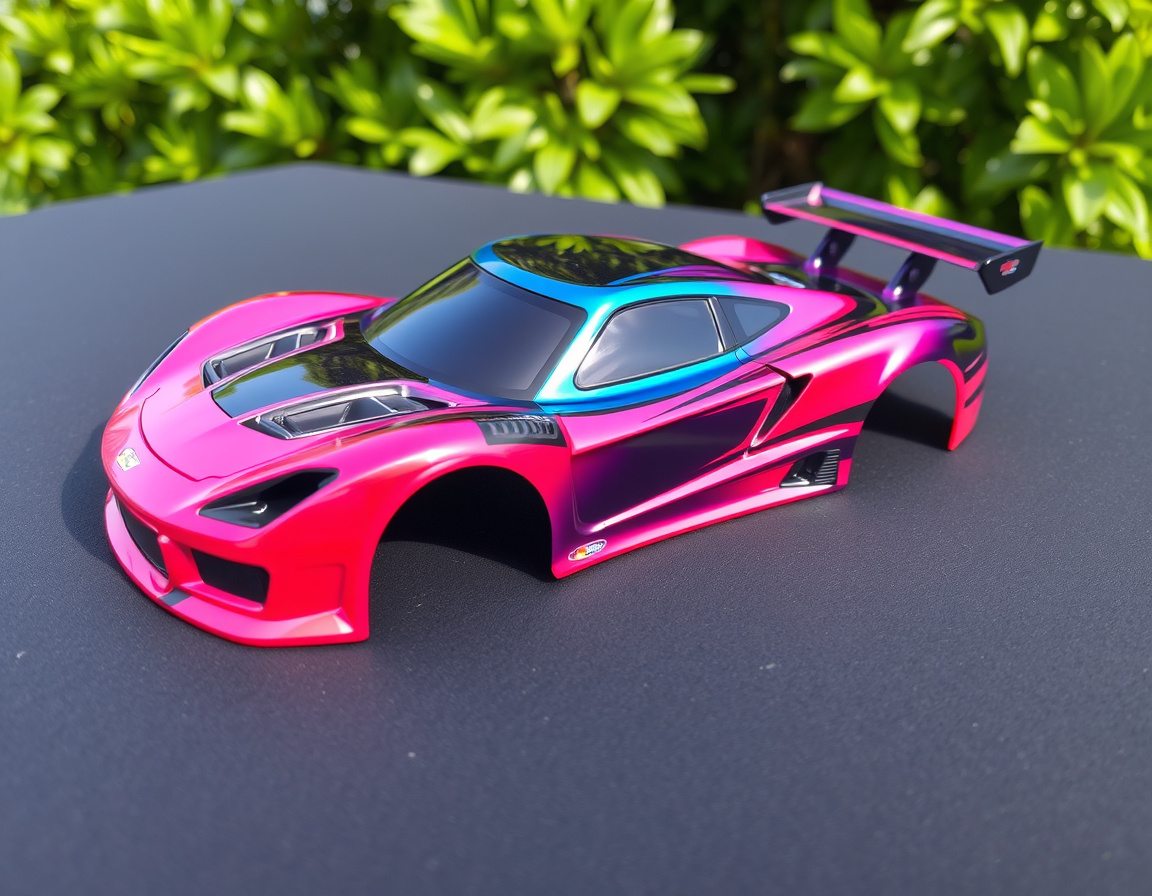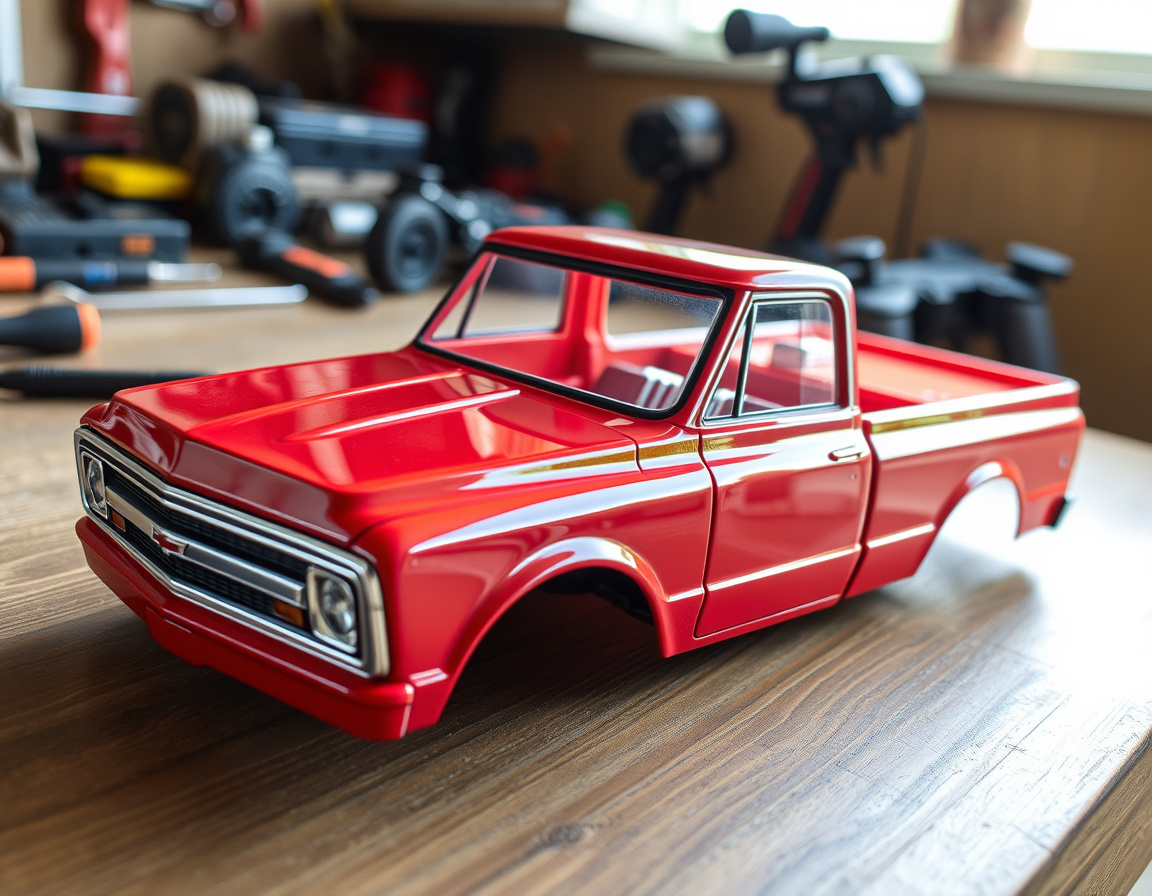
A 1/16 RC Body Chevy is a replica of a Chevrolet car designed to fit a 1/16 scale radio-controlled vehicle.
Key Points
- 1/16 scale RC Chevy bodies offer authentic styling for iconic vehicles.
- They are compact, manageable, and ideal for smaller RC chassis.
- These bodies provide scale realism and enhance the driving experience.
- Expect costs from $25 for unpainted to over $100 for collector pieces.
- Always verify fitment with your chassis's wheelbase and mounting posts.
Why 1/16 Scale RC Chevy Bodies Are Taking the Hobby by Storm
The 1/16 scale RC Chevy body represents the sweet spot for radio controlled enthusiasts who want authentic American muscle car styling in a compact, manageable package.
These bodies perfectly capture the iconic lines of classic and modern Chevrolet vehicles while fitting on smaller chassis that are ideal for indoor racing, apartment living, or tight outdoor spaces.
The 1/16 scale format has exploded in popularity because it offers the detail and realism of larger models while being more affordable to operate and requiring less storage space.
Whether you’re building a vintage Camaro, modern Corvette, or rugged Silverado, these bodies deliver impressive scale realism that makes every driving session feel like piloting a real Chevy.
The Hidden Engineering Advantage Most Buyers Never Consider
What many RC enthusiasts don’t realize is that 1/16 scale Chevy bodies often feature superior aerodynamic efficiency compared to their larger counterparts due to their reduced Reynolds number effects at typical driving speeds.
This means your 1/16 scale Chevy body will actually cut through the air more cleanly relative to its size, potentially giving you better handling characteristics and improved battery life during extended driving sessions.
The smaller scale also allows manufacturers to achieve tighter tolerances in the molding process, resulting in more precise panel gaps and sharper detail lines that would be cost-prohibitive to replicate in larger scales.
This engineering advantage translates to better performance and more realistic appearance right out of the package.
The Paint Job Predicament That Frustrates Most Enthusiasts
Unlike larger bodies that can absorb minor impacts without showing damage, the thinner walls and smaller surface areas of 1/16 scale bodies make every scratch and chip highly visible, especially on solid colors common to Chevrolet vehicles.
Many enthusiasts find themselves constantly touching up paint or starting over entirely after just a few bashing sessions, leading to frustration and ongoing maintenance costs.
The problem is compounded by the fact that the smaller scale makes it harder to apply decals smoothly and achieve the crisp masking lines that make a Chevy look authentic.
Smart Spending: What Your Dollar Gets You in 1/16 Chevy Bodies
When shopping for 1/16 scale RC Chevy bodies, expect to invest between $25 and $75 for most options, with basic unpainted polycarbonate shells starting around $25 and detailed, licensed replicas reaching $75 or more.
The $25-40 range typically gets you a solid, functional body that requires painting and finishing work, making it perfect for hobbyists who enjoy customization projects.
Bodies in the $50-75 range often come pre-detailed with better plastic quality, more accurate proportions, and sometimes include window masks or basic decal sets.
Rare or vintage 1/16 Chevy designs can command over $100, but these represent collector pieces rather than practical driving bodies for most enthusiasts.
The Pro Tip That Saves Money and Heartache
Before committing to any 1/16 scale Chevy body, always verify the wheelbase measurement and mounting post locations match your chassis specifications exactly, as even small discrepancies can result in poor fitment that affects both appearance and handling.
Many buyers assume all 1/16 bodies are universally compatible, but different manufacturers use slightly different mounting standards that can leave you with expensive bodies that don’t properly align with your chassis.
Take the time to measure your chassis mounting points or check compatibility charts before purchasing, and consider buying from suppliers who clearly list fitment specifications rather than assuming universal compatibility.