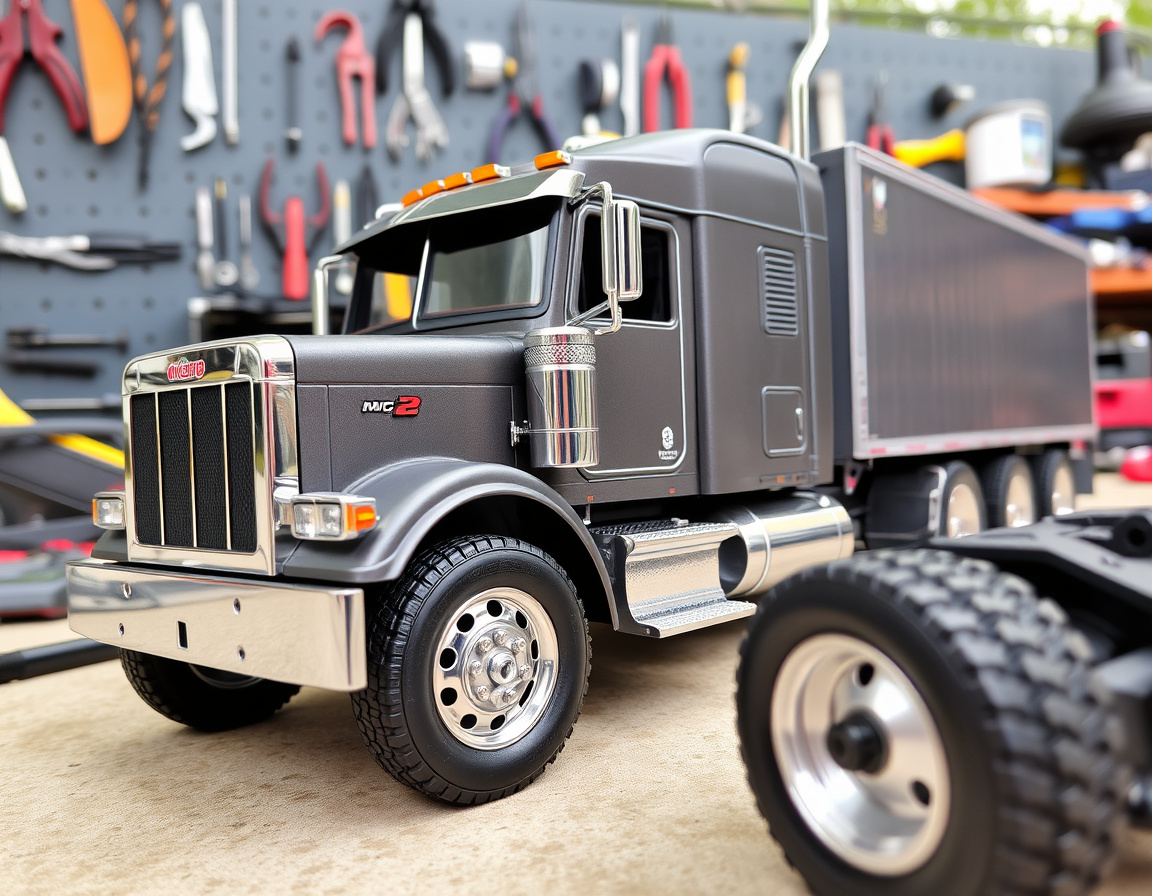
A 1/14 semi truck in RC hobbies refers to a large-scale radio-controlled replica of a full-sized semi-trailer truck, often detailed and capable of hauling realistic loads, popular among hobbyists who enjoy building, modifying, and operating these impressive models.
Key Points
- 1/14 scale semi trucks are large, detailed models, about 30 inches long.
- These models offer realistic features like working lights and authentic interiors.
- Advanced models include multi-axle steering and pneumatic suspension systems.
- Prices range from $200 for kits to over $2,000 for ready-to-run models.
- Customization and upgrades can significantly increase the total investment cost.
Why 1/14 Scale Semi Trucks Are Taking the RC World by Storm
A 1/14 scale semi truck represents one of the most impressive and realistic segments of the radio controlled vehicle hobby, offering enthusiasts the chance to operate detailed replicas of full-sized commercial trucks at approximately 30 inches in length.
These models have surged in popularity due to their perfect balance between size and detail, making them large enough to showcase intricate features like working lights, realistic exhaust systems, and authentic cab interiors, while remaining manageable for home use and transport.
The scale allows for exceptional customization opportunities, from different trailer configurations to engine sound modules, creating a hobby experience that appeals to both collectors and active operators.
Unlike smaller scales that sacrifice detail or larger scales that become unwieldy, 1/14 semi trucks deliver the satisfaction of controlling a truly impressive machine that captures the essence of real trucking.
The Hidden Engineering Marvel That Sets These Models Apart
What many potential buyers don’t realize is that 1/14 scale semi trucks often feature sophisticated multi-axle steering systems that mirror real truck mechanics, with the rear axles of the tractor and trailer turning in coordination during tight maneuvers.
This advanced engineering allows for remarkably realistic backing and parking operations that would be impossible with simpler steering systems.
The most impressive models incorporate pneumatic suspension systems that actually use compressed air to raise and lower the truck, complete with the characteristic hissing sounds of real air brakes.
This level of mechanical authenticity means you’re not just buying a scaled-down truck, but a functioning demonstration of genuine trucking technology that provides an educational experience alongside the entertainment value.
The Assembly Challenge That Catches Most Newcomers Off Guard
Many buyers underestimate the time commitment involved in properly assembling the chassis, installing the motor and transmission, wiring the lighting systems, and fine-tuning the radio equipment for optimal performance.
The complexity increases significantly when dealing with multi-function features like working hydraulics, sound systems, and synchronized trailer connections, which often require programming and calibration that can overwhelm enthusiasts expecting a simple plug-and-play experience.
This reality shock leads many to either abandon their projects halfway through or realize they need to budget for professional assembly services.
Understanding the Investment: From Budget Builds to Premium Powerhouses
When shopping for a 1/14 scale semi truck, expect to invest anywhere from $200 for basic kit models that require substantial additional components, up to $2,000 or more for premium ready-to-run examples with advanced features.
The sweet spot for most enthusiasts falls in the $500 to $1,000 range, where you’ll find models that offer good build quality with some pre-installed electronics, though you may still need to add batteries, chargers, and specific accessories.
Premium models exceeding $1,500 typically justify their cost through superior materials, comprehensive lighting systems, realistic sound modules, and sophisticated suspension systems that deliver an authentic trucking experience.
Keep in mind that the initial purchase price often represents only the beginning of your investment, as most owners eventually add custom trailers, upgraded electronics, and detailed accessories that can easily double the total cost.
The Smart Buyer’s Secret to Getting Maximum Value
Before making your purchase, research the specific electronics compatibility and upgrade path for your chosen model, as this single factor will determine your long-term satisfaction and total investment.
Many buyers save hundreds of dollars by purchasing a quality basic kit and then upgrading components gradually with higher-performance motors, advanced speed controllers, and premium servo systems rather than paying for pre-installed lower-grade electronics.
The key is ensuring your chosen chassis can accommodate the electronic upgrades you’ll eventually want, such as multi-channel sound systems or advanced lighting controllers, which may require specific mounting provisions or wiring harnesses that aren’t available for all models.
This approach not only saves money initially but allows you to learn the system thoroughly while building exactly the performance characteristics you desire.