An RC Car 1/10 is a popular size of radio-controlled car, offering a great balance of scale realism and maneuverability for hobbyists who enjoy racing, off-roading, or simply driving their creations.
Key Points
- 1/10 scale RC cars balance size, performance, and customization.
- They are approximately 16-20 inches long, fitting various terrains.
- Aluminum chassis offer 30-40% more durability than plastic.
- Carbon fiber chassis enhance traction with superior flex.
- A quality 2.4GHz radio system is a recommended first upgrade.
The 1/10 scale RC car represents the sweet spot in radio controlled vehicles, offering an ideal combination of manageable size, impressive performance, and extensive customization options.
At roughly 16-20 inches in length, these models are large enough to handle varied terrain while remaining practical for most driving environments and storage spaces.
This scale has become the gold standard for both beginners entering the hobby and experienced enthusiasts seeking competitive performance.
The popularity stems from the perfect balance between realistic handling characteristics and the ability to upgrade components as skills develop, making it an investment that grows with the driver’s expertise.
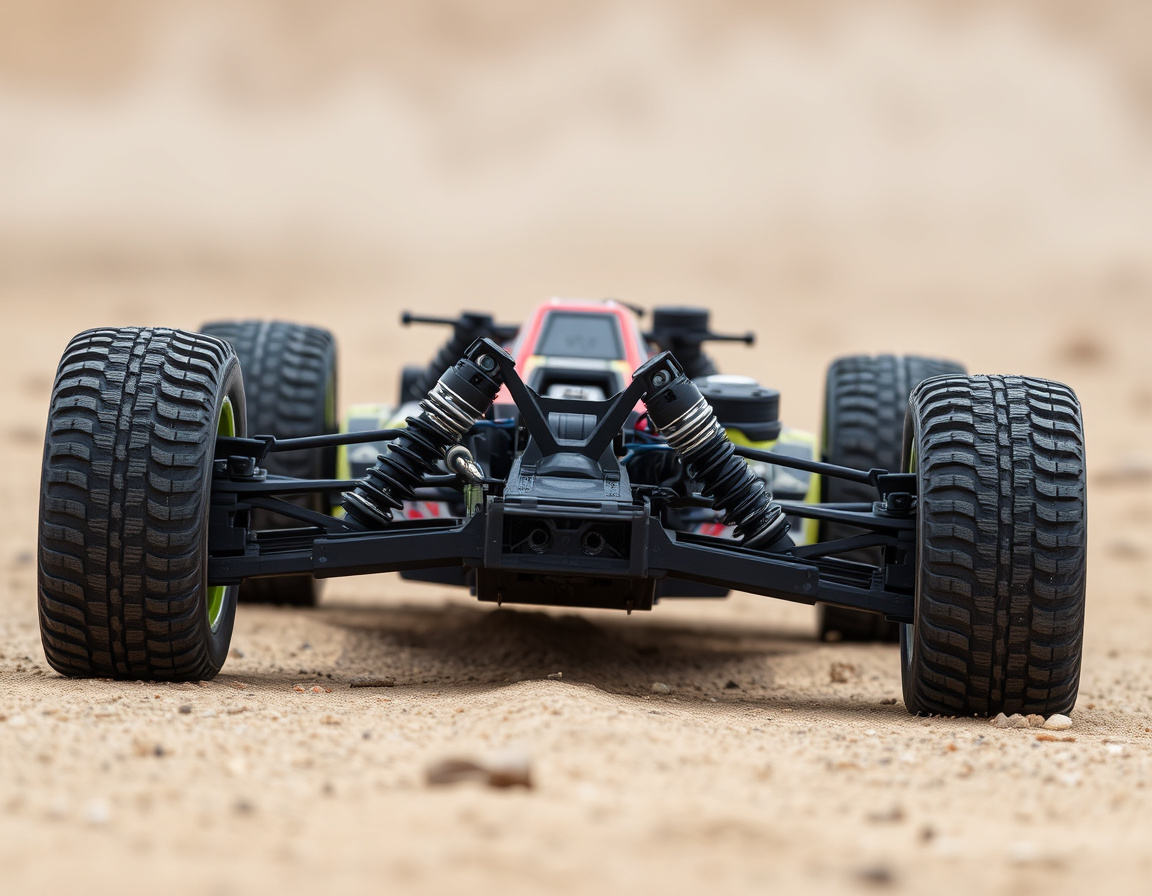
Most buyers focus on motors and electronics, but the real performance differentiator in 1/10 scale RC cars lies in the chassis material and construction method.
Aluminum chassis models typically outperform plastic alternatives by 30-40% in durability testing, but here’s the insider knowledge: carbon fiber chassis actually provide superior flex characteristics that improve traction and handling on uneven surfaces compared to rigid aluminum.
This flexibility allows the suspension to work more effectively, which is why many professional racers choose carbon fiber despite the higher cost.
Understanding this distinction can completely change your vehicle’s performance potential and longevity.
One of the most common frustrations with 1/10 scale RC cars involves battery compatibility and charging systems, particularly for those transitioning from smaller scales or toy-grade vehicles.
Many new owners discover their existing batteries won’t fit the compartment dimensions or don’t provide adequate voltage for optimal performance, leading to disappointing initial experiences.
The confusion multiplies when dealing with different connector types, charging requirements, and the need for specialized LiPo safety equipment.
This compatibility issue often results in unexpected additional expenses and delayed enjoyment, as owners must research and purchase appropriate power systems before their new vehicle performs as expected.
When budgeting for a 1/10 scale RC car, expect to invest between $100 for basic ready-to-run models and $500 or more for high-performance vehicles designed for competitive use.
The $100-200 range typically covers entry-level models perfect for casual driving and learning basic techniques, while $250-400 represents the sweet spot for serious hobbyists wanting quality components and upgrade potential.
Premium models exceeding $400 feature advanced engineering, competition-grade components, and specialized designs for specific disciplines like drift racing or rock crawling.
Remember that the initial purchase price represents just the starting point, as batteries, chargers, and eventual upgrades can add 25-50% to your total investment within the first year.
Before spending money on flashy upgrades like exotic motors or aluminum parts, invest in a quality radio system with at least 2.4GHz technology and multiple model memory.
A superior transmitter and receiver combination will transform your driving experience more than any mechanical upgrade, providing precise control, better range, and the ability to fine-tune settings for different driving conditions.
This upgrade typically costs $80-150 but immediately improves performance and prevents the frustration of interference or control lag that cheaper radio systems often exhibit.