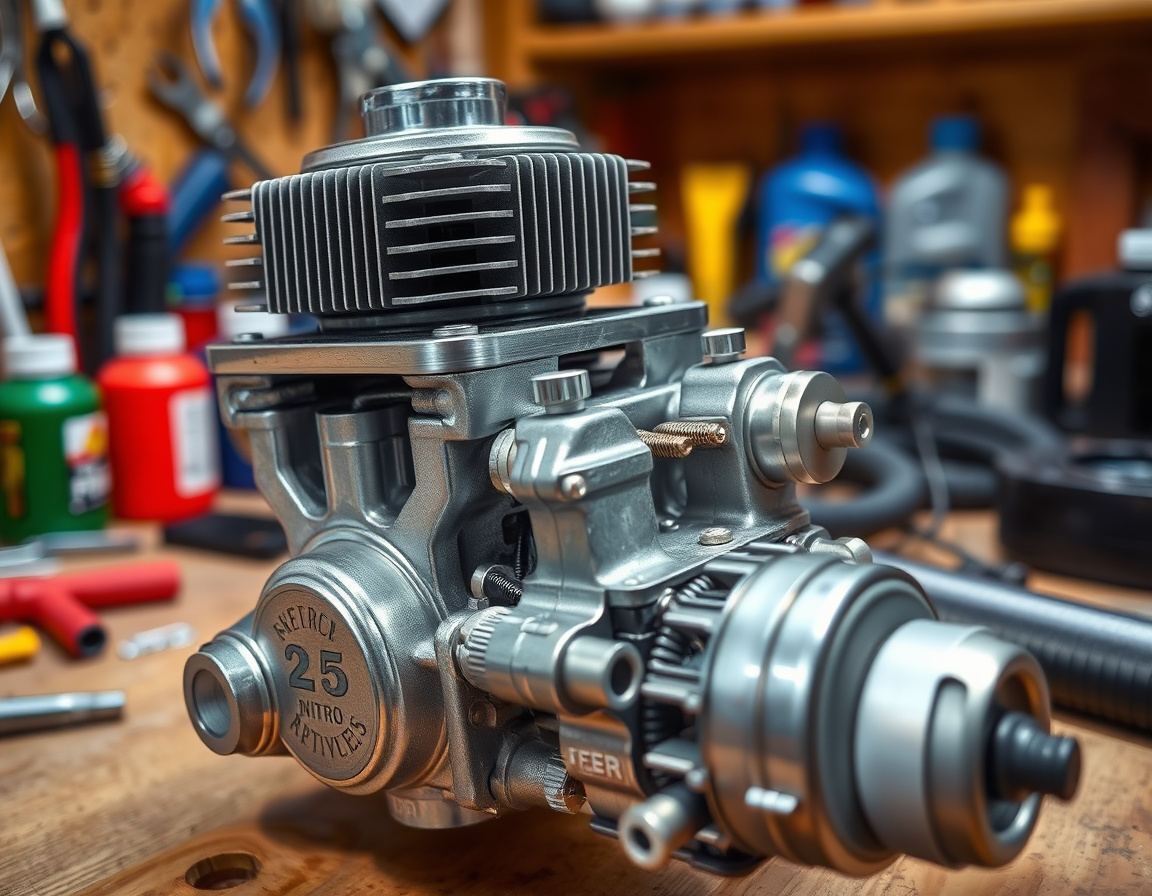
A .25 nitro engine is a small internal combustion engine used to power radio-controlled vehicles like cars and planes, providing impressive speed and performance through a mix of glow fuel and a glow plug ignition system.
Key Points
- .25 nitro engines offer a great balance of power and control for RC vehicles.
- Compression ratio significantly impacts .25 nitro engine performance and fuel needs.
- Proper tuning is crucial for .25 nitro engines, but has a steep learning curve.
- Expect to spend $90-$120 for a reliable .25 nitro engine for most enthusiasts.
- A proper break-in procedure with rich fuel mixtures doubles .25 nitro engine lifespan.
Why .25 Nitro Engines Are the Sweet Spot for RC Enthusiasts
A .25 nitro engine represents the perfect balance of power, control, and versatility in the radio-controlled vehicle world.
These engines, with their 0.25 cubic inch displacement, deliver enough torque to propel mid-sized RC cars, trucks, and boats with authority while remaining manageable for enthusiasts who want performance without the complexity of larger powerplants.
The popularity of .25 nitro engines stems from their ability to provide genuine racing performance in a package that’s accessible to both intermediate hobbyists and competitive racers.
They offer the authentic sound, smell, and mechanical engagement that electric motors simply cannot match, making them the preferred choice for those seeking a more immersive RC experience.
The Compression Ratio Secret That Separates Winners from Pretenders
Most buyers don’t realize that the compression ratio of a .25 nitro engine can vary dramatically between models, and this single specification often determines whether your engine will be a powerhouse or a disappointment.
While many engines in this class share similar displacement, compression ratios can range from 7:1 for beginners to over 9:1 for racing applications, with each increment representing a significant jump in power output and fuel requirements.
Higher compression engines produce more power but demand premium fuels and precise tuning, while lower compression variants offer easier starting and more forgiving operation.
Understanding this specification before purchase can save you from buying an engine that either underwhelms with its performance or overwhelms you with its maintenance demands.
The Tuning Nightmare That Drives Most Beginners Away
The biggest frustration with .25 nitro engines is the steep learning curve required for proper tuning, which can turn an exciting purchase into a source of constant aggravation.
These engines require precise adjustment of the high-speed needle, low-speed needle, and idle settings to run properly, and even small changes in temperature, humidity, or fuel composition can throw off a perfectly tuned setup.
Many newcomers experience engines that refuse to start, run too rich or lean, or perform inconsistently, leading to damaged components or complete engine failure.
The problem is compounded by the fact that poor tuning can cause overheating, seized pistons, or destroyed glow plugs, turning what should be an enjoyable hobby into an expensive series of repairs and replacements.
Smart Spending: What Your Budget Should Buy in .25 Nitro Performance
When shopping for a .25 nitro engine, expect to invest between $50 and $200 depending on your performance expectations and quality requirements.
Entry-level engines in the $50-$80 range will get you running with basic aluminum construction and standard ports, suitable for casual bashing and learning the ropes of nitro tuning.
Mid-range options between $80-$130 typically feature better materials, improved cooling fins, and more precise manufacturing tolerances that translate to better performance and reliability.
Premium engines above $150 justify their cost with advanced features like dual ball bearings, tuned exhaust ports, and racing-grade components designed for competition use.
The sweet spot for most enthusiasts lies in the $90-$120 range, where you’ll find engines that offer excellent reliability without paying for features you may never utilize.
The Break-In Secret That Will Double Your Engine’s Lifespan
Run your new engine at no more than half throttle for the first 4-5 tanks while using fuel with at least 20% oil content, allowing the piston and sleeve to properly mate without scoring or premature wear.
This patience during the initial break-in period will reward you with significantly better compression, easier starting, and dramatically extended engine life compared to engines that are immediately run hard.
Many experienced racers also recommend hand-turning the engine through several compression cycles before each session during break-in, which helps distribute oil and prevents the dreaded “cold seizure” that can destroy an engine in seconds.