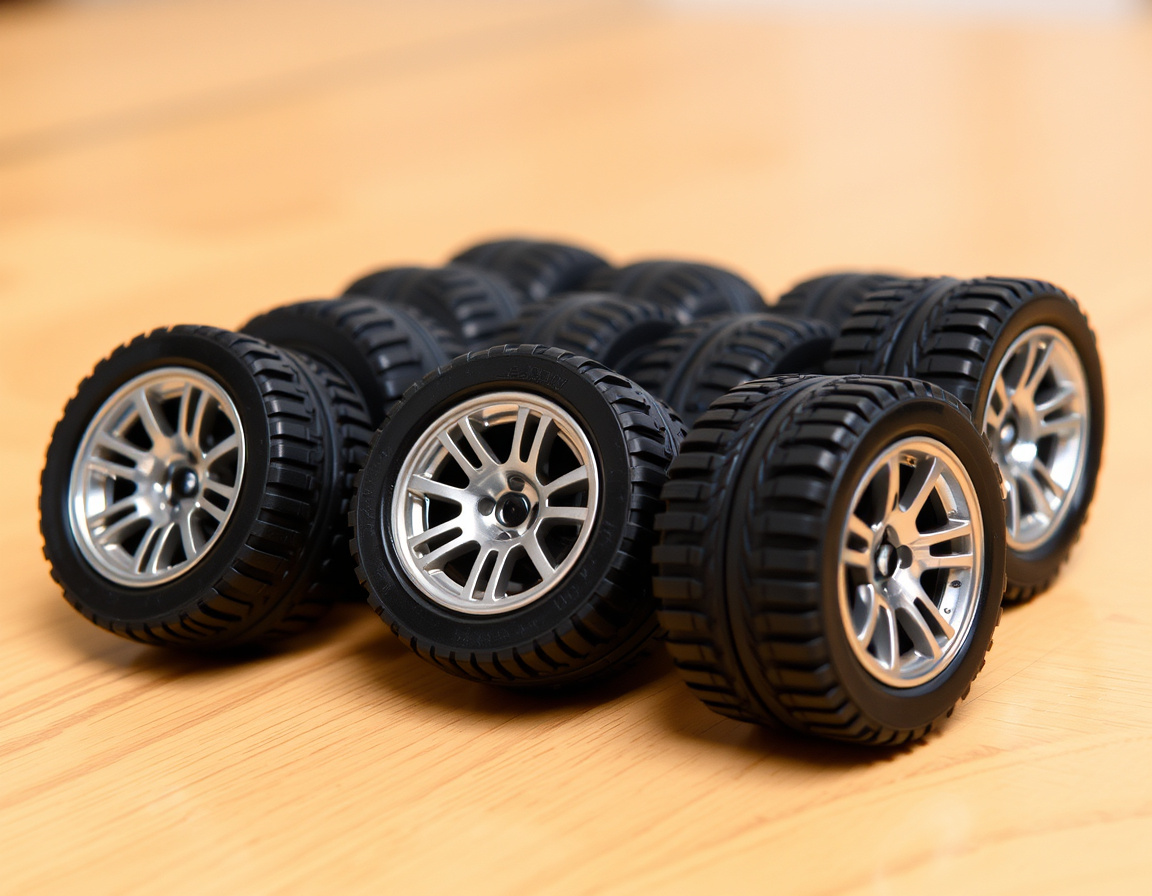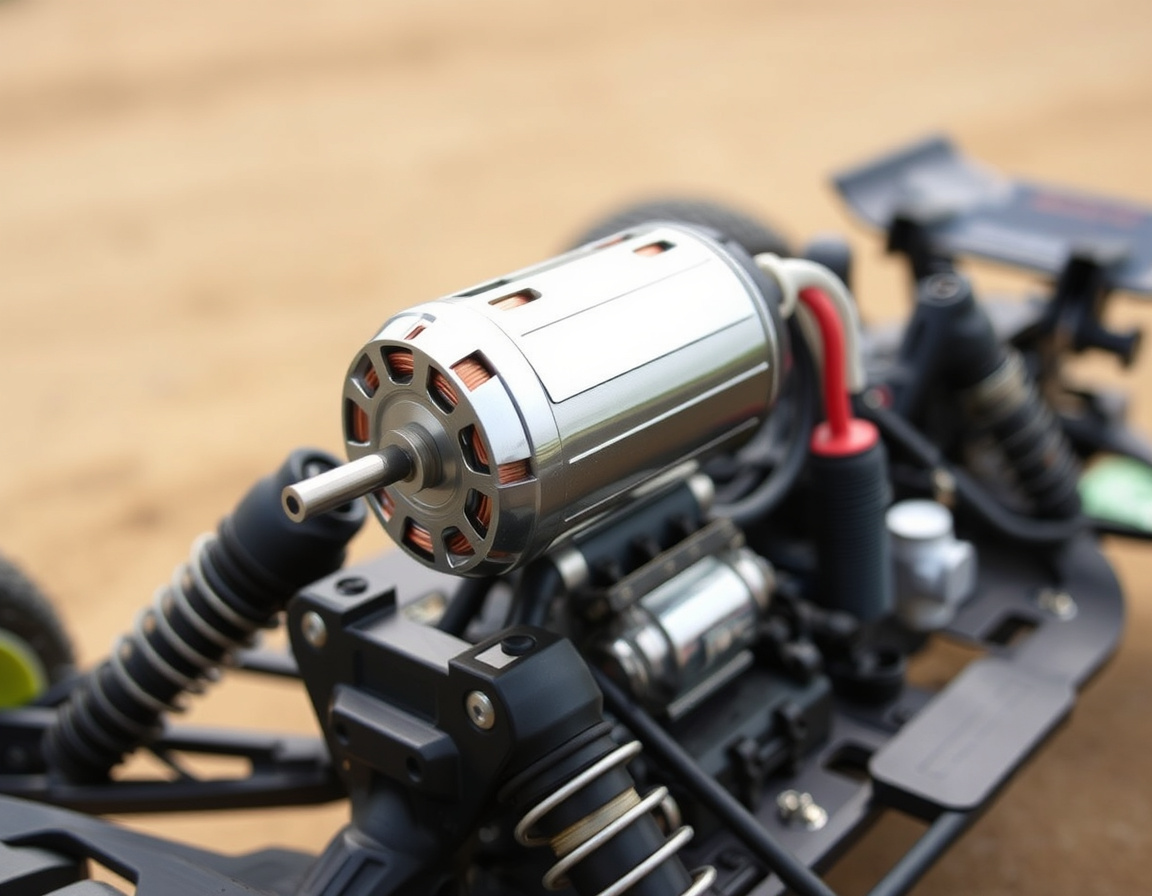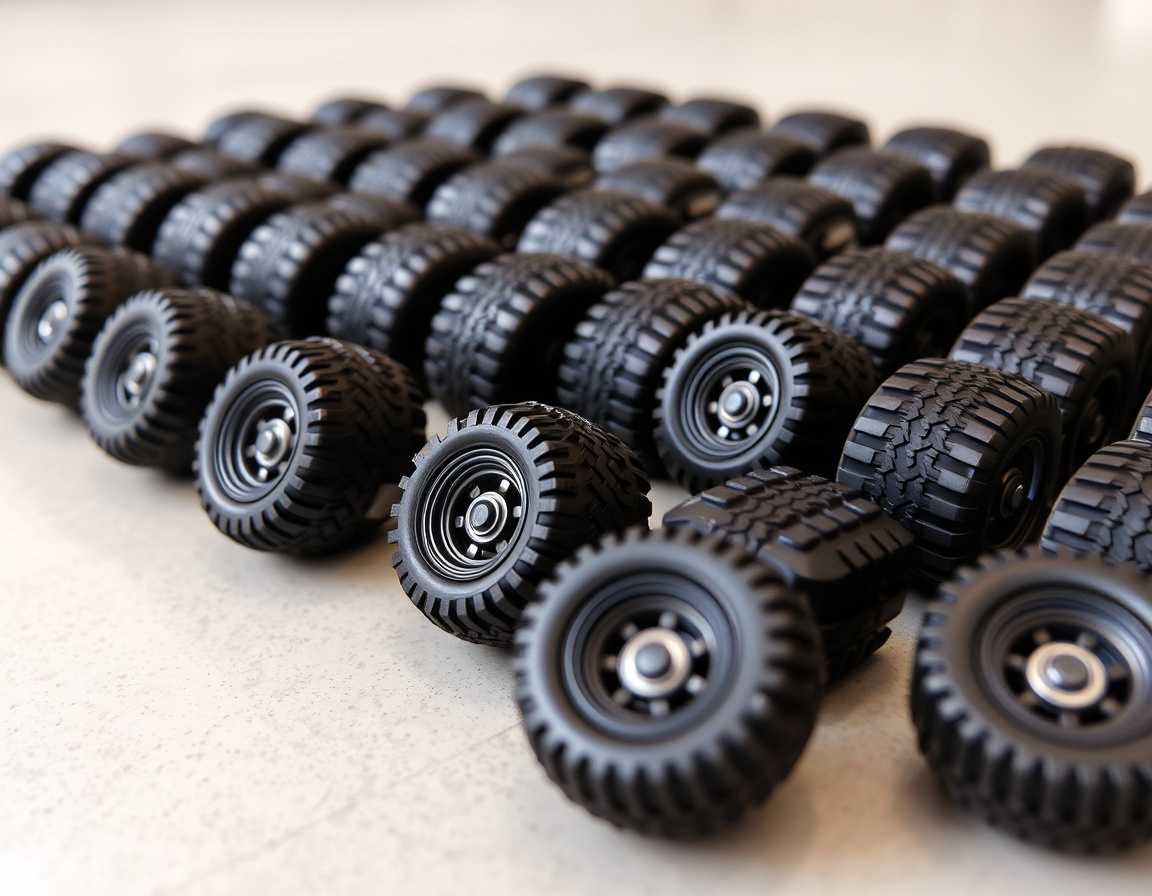
An 18 wheels set in RC hobbies refers to a specific configuration of a large-scale remote-controlled truck, typically a semi-trailer truck, designed to replicate the appearance of a real-life 18-wheeler rig by including a tractor unit and a trailer with multiple axles and wheels.
Key Points
- 1/18 scale wheel sets enhance RC car detail and customization.
- Wheel weight impacts acceleration, handling, and battery life.
- Lighter plastic wheels are better for racing performance.
- Ensure wheel hub compatibility (hex size, offset) before purchase.
- Prices for 1/18 wheel sets range from $15 to over $60.
Why 1/18 Scale Wheel Sets Are Essential for Serious RC Enthusiasts
A 1/18 wheels set refers to a collection of wheels specifically designed for 1/18 scale radio controlled vehicles, typically consisting of four wheels that match the proportional sizing requirements for these compact models.
These wheel sets have become increasingly popular among RC hobbyists due to their perfect balance of detail, performance, and affordability for smaller scale vehicles.
The demand stems from the growing popularity of 1/18 scale RC cars, which offer impressive performance in a compact package while requiring less storage space and lower operating costs than their larger counterparts.
Whether you’re upgrading worn-out stock wheels or customizing your vehicle’s appearance, the right wheel set can dramatically transform both the look and performance of your 1/18 scale RC car.
The Hidden Impact of Wheel Weight on Your RC’s Performance
Most buyers don’t realize that the weight difference between plastic and alloy wheels on a 1/18 scale vehicle can significantly affect acceleration, handling, and battery life in ways that aren’t immediately obvious.
While alloy wheels may seem like the premium choice, their added rotational mass can actually reduce acceleration and increase power consumption on lightweight 1/18 scale models, making lighter plastic wheels the better performance choice for racing applications.
This rotational inertia effect is more pronounced on smaller scale vehicles because the wheel weight represents a larger percentage of the total vehicle weight compared to bigger scales.
Understanding this principle can help you choose wheels that actually improve your RC’s performance rather than simply looking more expensive.
The Frustrating Reality of Wheel Hub Compatibility Issues
One of the most common problems RC enthusiasts face when purchasing 1/18 wheel sets is discovering that their new wheels don’t fit their vehicle’s hub pattern or offset requirements, leading to poor handling or complete incompatibility.
Different manufacturers use varying hex sizes, hub depths, and mounting configurations even within the same scale, making it easy to purchase wheels that look perfect but simply won’t mount properly.
This compatibility nightmare often forces buyers to purchase additional adapters, spacers, or even new axles, turning what seemed like a simple upgrade into a costly and time-consuming project.
The frustration is compounded because many wheel descriptions don’t clearly specify the exact mounting requirements, leaving buyers to guess whether their purchase will actually work with their specific vehicle model.
Understanding the True Value Range for 1/18 Wheel Investments
When shopping for 1/18 wheel sets, expect to invest between $15 for basic plastic molded options up to $60 or more for premium alloy wheels with specialized tire compounds.
The sweet spot for most hobbyists falls in the $25-$40 range, where you’ll find durable wheels with good detail and performance without paying for unnecessary premium materials.
Basic plastic sets under $20 are perfectly adequate for casual driving and bashing, while the higher-end options above $45 are typically justified only for competitive racing or show vehicles where every detail matters.
Keep in mind that wheels sold with pre-mounted tires will cost more upfront but save you the time and potential expense of mounting tires separately, making them often the better value despite the higher initial price.
The Smart Buyer’s Secret to Avoiding Costly Wheel Mistakes
Take a photo of your current wheel’s backside and hub area, as this visual reference will help you compare mounting configurations when shopping online where detailed specifications might be unclear.
Additionally, consider purchasing wheel sets that include multiple offset options or spacers, as this flexibility allows you to fine-tune your vehicle’s handling characteristics and ensures compatibility with potential future vehicle upgrades.